
Category: Newsletter
-
Safety for newcomers
Safety for newcomers Imagine yourself arriving at CERN for the first time; you probably know very little about how CERN is organised, the location of the different buildings and the types of installations and equipment. As a newcomer, you are keen and motivated and want to start working as soon as possible. However, it is
-
n_TOF one year after – First results
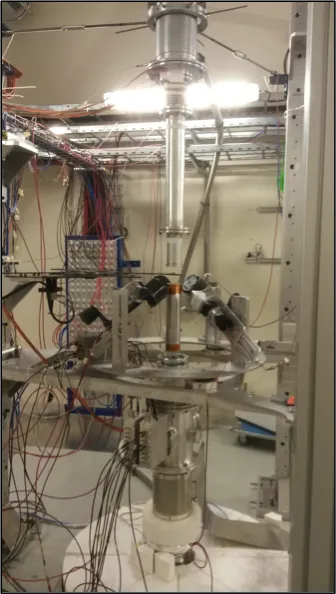
n_TOF one year after – First results Since the termination of the construction of the new second experimental area EAR2 [1,2] of n_TOF in July 2014 [3], the facility has been successfully taking data both in the existing experimental area EAR1 and in the new EAR2. The neutron beams in both areas are produced simultaneously
-
COMPASS-II: A QCD Laboratory at CERN
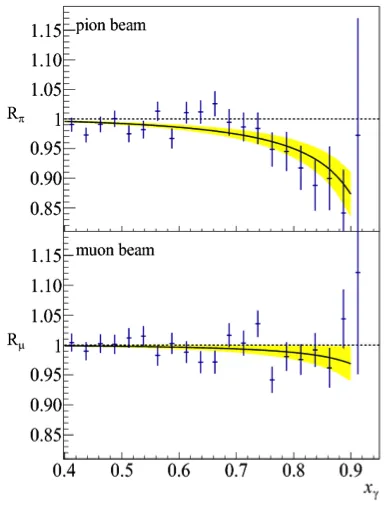
COMPASS-II: A QCD Laboratory at CERN With COMPASS-II CERN enters in the exploration of a new territory: the structure of the proton in multiple dimensions. While COMPASS-I primarily studied the distribution and polarisation of quarks and gluons in the nucleon as a function of the longitudinal momentum carried by the struck quark or gluon, now
-
EPS – HEP 2015 Conference Highlights
EPS – HEP 2015 Conference Highlights BROKEN IMAGE NOT MOVED (drupal url : https://ep-news.web.cern.ch//content/eps-hep-2015-conference-highlights) The EPS – HEPP Conference was held in Vienna, Austria from 22 to 29 of July, 2015, with about 700 participants. The organisation committee, chaired by Prof. Thomas Lohse, did a perfect job from every aspect. The first results from the
-
ALICE and BASE experiments present new results related to CPT symmetry
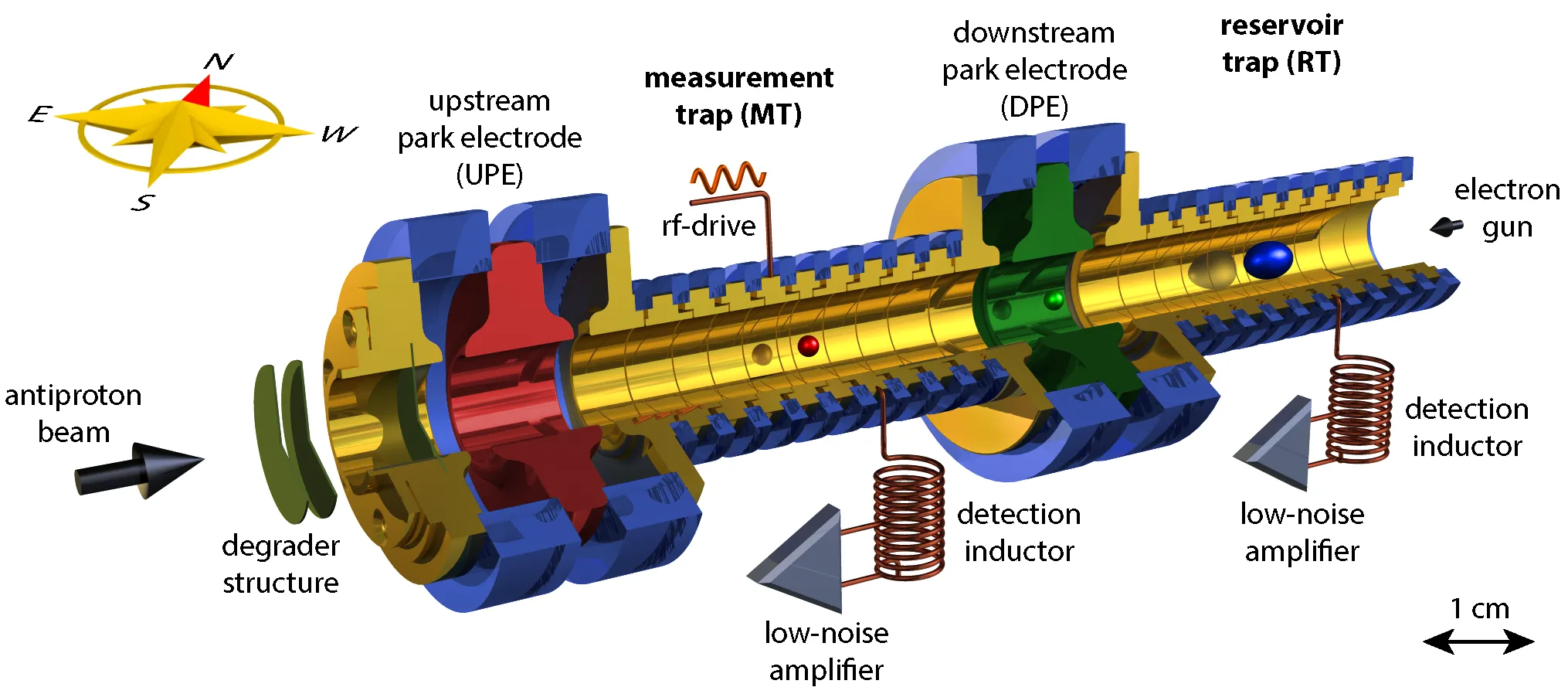
ALICE and BASE experiments present new results related to CPT symmetry In August the ALICE experiment published a precise measurement of the difference between ratios of the mass and electric charge of light nuclei and antinuclei produced during heavy-ion collisions at the LHC. The article published in the journal Nature Physics confirms one of the
-
Interview with Nima Arkani Hamed
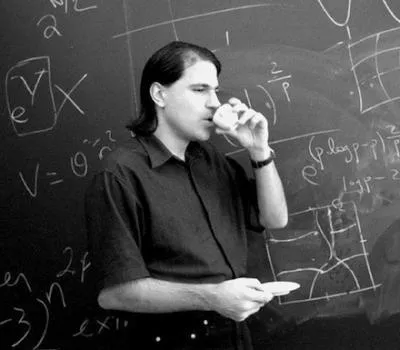
Interview with Nima Arkani Hamed P.C. What were your biggest influences in deciding to do physics? Α.Η. As I grew up in a family of physicists, I have been fascinated by science, and especially the connection between mathematics and physics, since my childhood. For instance, I recall coming to the striking realization that Newton’s equations
-
TOTEM experiment upgrade
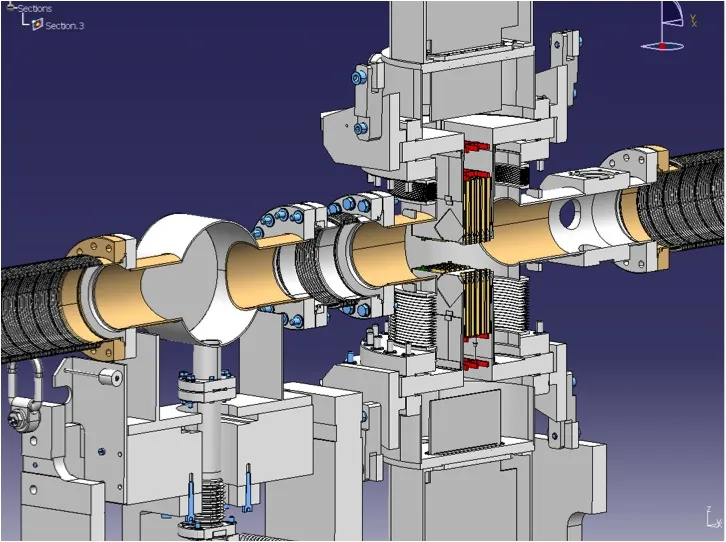
TOTEM experiment upgrade The Totem experiment has shown with recent data that in collaboration with CMS is possible to enlarge the original physics program in the diffractive proton interaction field. The Central Diffraction channel, although it has an order of magnitude less cross-section than the Single Diffraction process, has the peculiarity to give precise information
-
ISOLDE: New access to study dilute rare earth doped materials
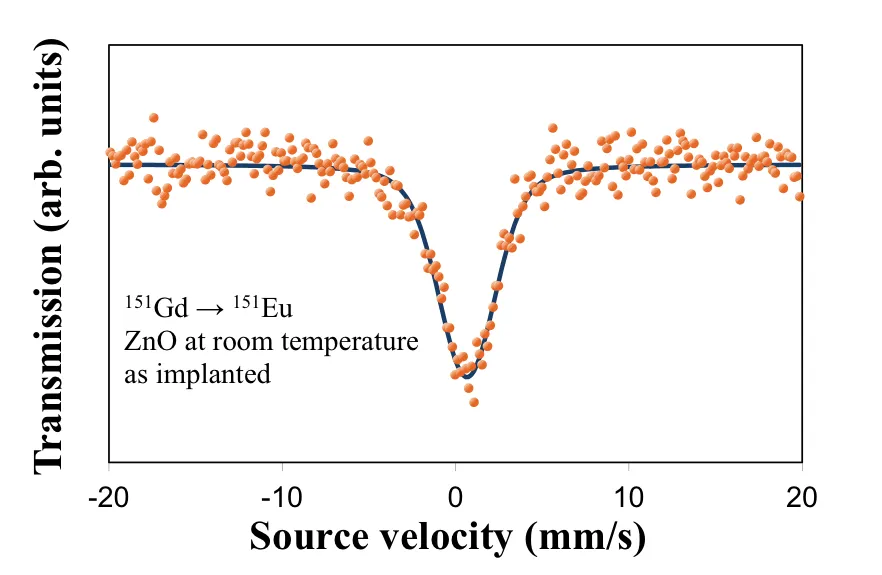
ISOLDE: New access to study dilute rare earth doped materials Mössbauer spectroscopy (MS) is named after Rudolf L. Mössbauer (1929-2011) who found the effect in 1957 and was awarded the Nobel Prize in Physics for his discovery in 1961. MS makes use of recoilless nuclear resonance fluorescence of gamma rays from low energy nuclear states
-
CERN Summer Students Programme
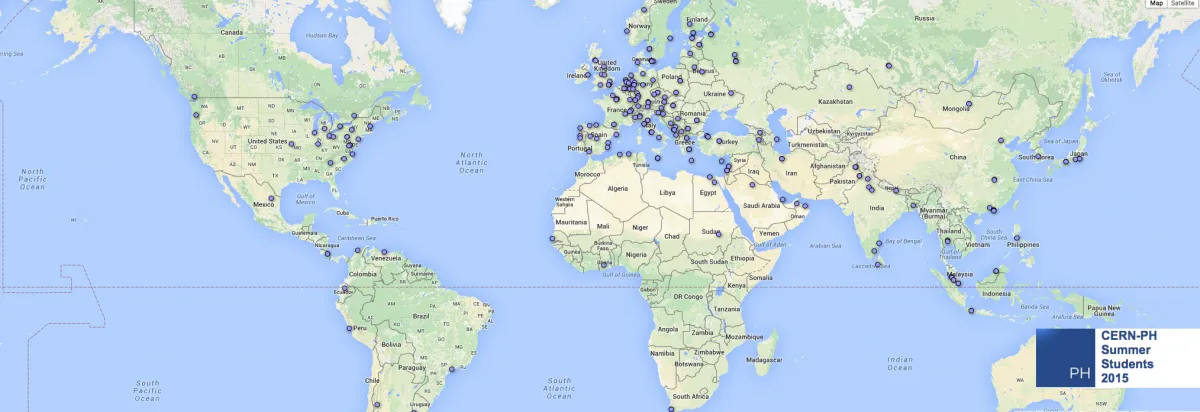
CERN Summer Students Programme During the summer CERN turns into one of the most international and lively places you could ever imagine as hundrends of Summer Students arrive every year from all over the world. Students with different backgrounds spend a few weeks working with their supervisors on numerous topics in scientific research. BROKEN IMAGE
-
CERN announces winners of its 2015 beamline for schools competition
CERN announces winners of its 2015 beamline for schools competition This week CERN announced the winners of its 2015 beamline for schools competition. Two teams of high-school students have been selected to travel to CERN in September to carry out their own experiments using a CERN accelerator beam. The winners, the “Leo4G” team from Liceo