
Category: SME
-

Investigating the origin of elements with the AMS on the International Space Station
Drawing on 15 years of observations and more than 260 billion cosmic-ray events, the Alpha Magnetic Spectrometer is helping scientists investigate how elements are produced and propagate through our Galaxy. Its latest measurements of phosphorus, chlorine, argon, potassium and calcium reveal distinct patterns among primary and secondary cosmic-ray nuclei, contributing to a more comprehensive model…
-
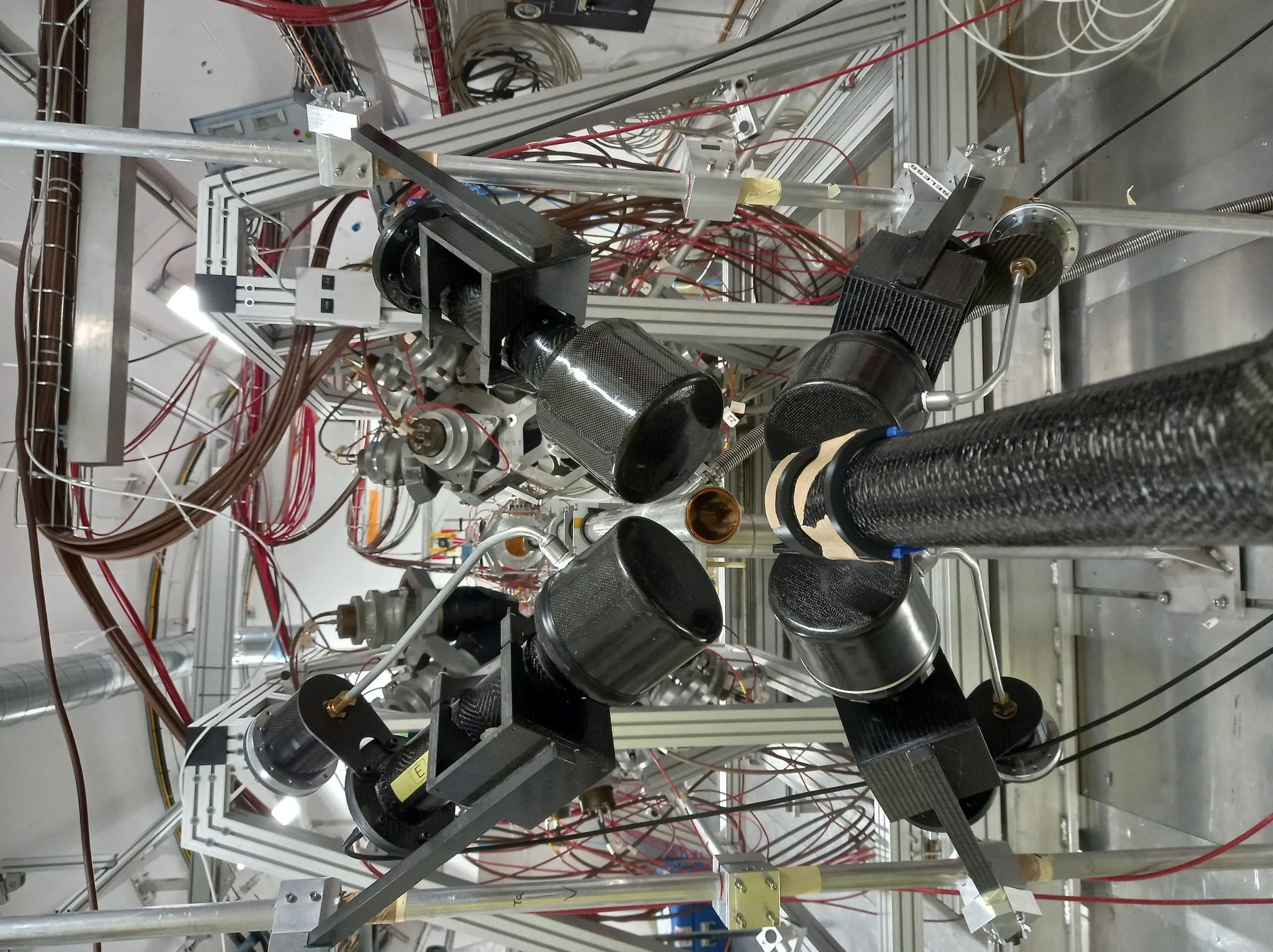
A radioactive crossroads: n_TOF measurement validates a key reaction in the molybdenum-94 puzzle
The first experimental determination of neutron capture by niobium-94 at energies relevant to stellar nucleosynthesis confirms the scale of earlier theoretical predictions, rules out this reaction as the source of a longstanding discrepancy and strengthens our understanding of molybdenum production in ageing stars.
-
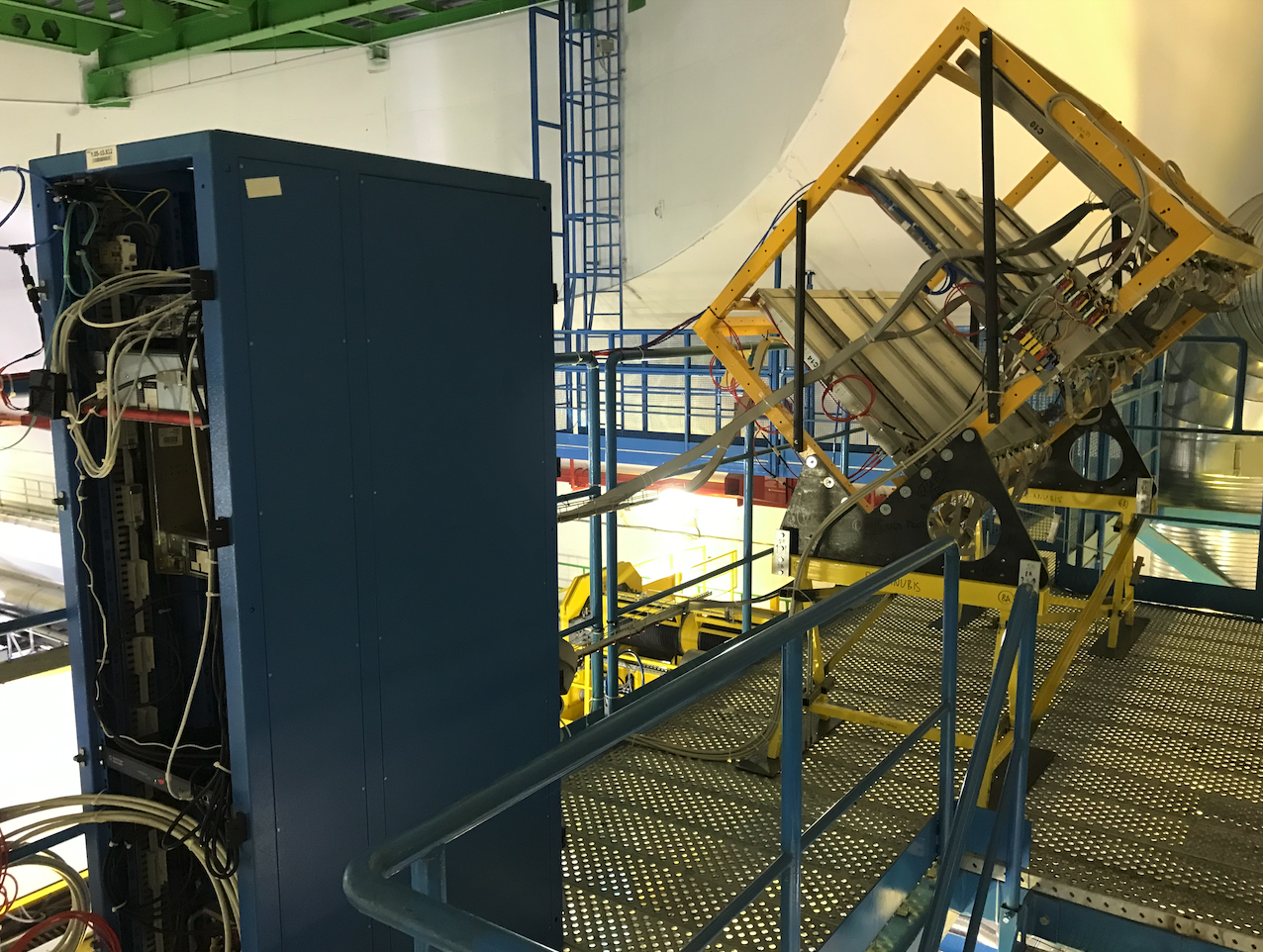
ANUBIS: from prototype to Letter of Intent
The proANUBIS demonstrator has completed data taking in the ATLAS cavern, showing that its detector technology delivers the efficiency and timing precision required to search for long-lived particles. These results strengthen the case for the full ANUBIS experiment, which would extend ATLAS’s reach into a largely unexplored region of new physics.
-
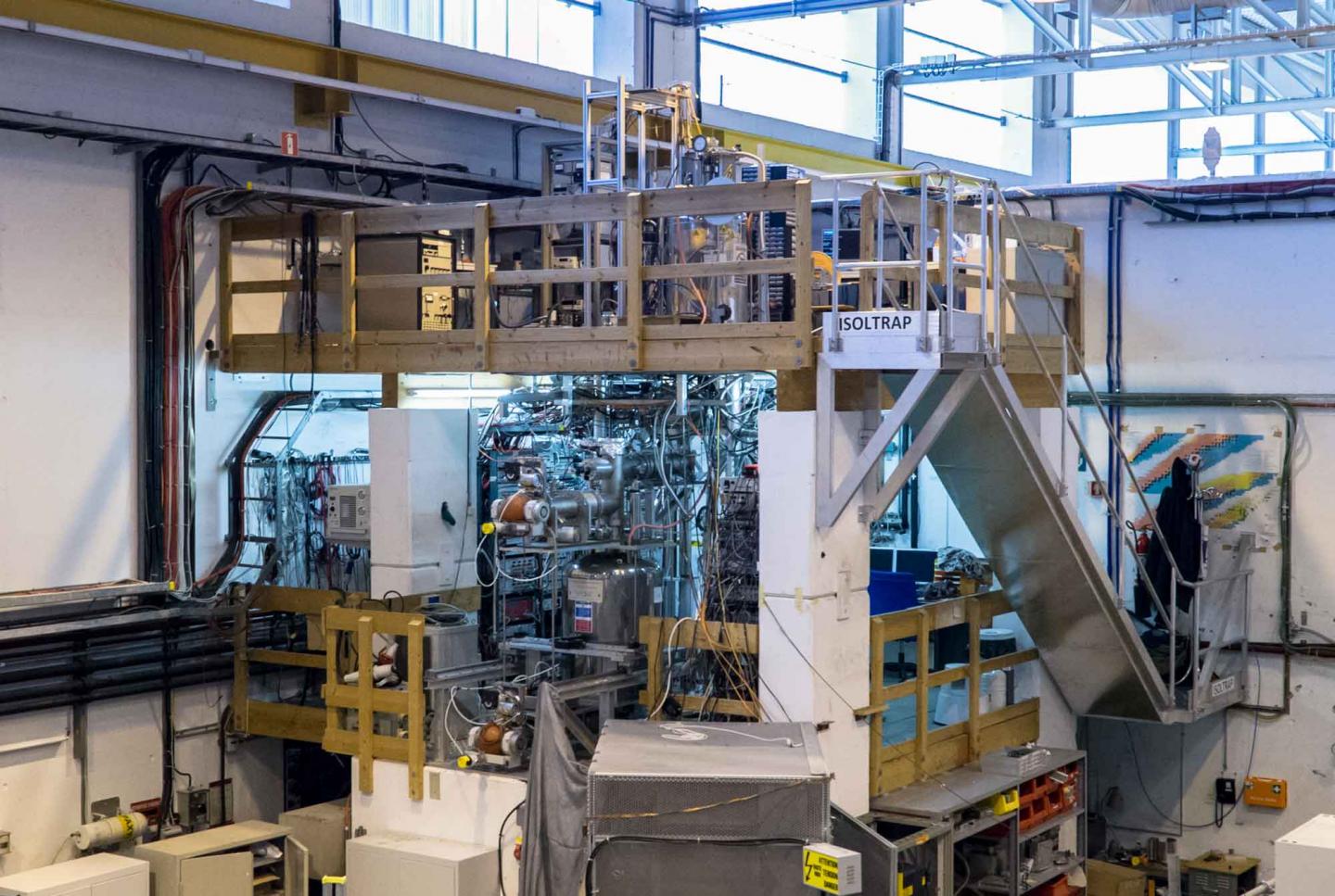
ISOLTRAP measures cadmium isotope masses for the first time, probing a key nuclear shell gap
With only about 40 detected ions, ISOLTRAP has measured the mass of cadmium-96 for the first time. Together with improved measurements of cadmium-97 and cadmium-98, the results shed light on nuclear shell structure near the doubly magic nucleus tin-100 and provide new benchmarks for nuclear theory.
-
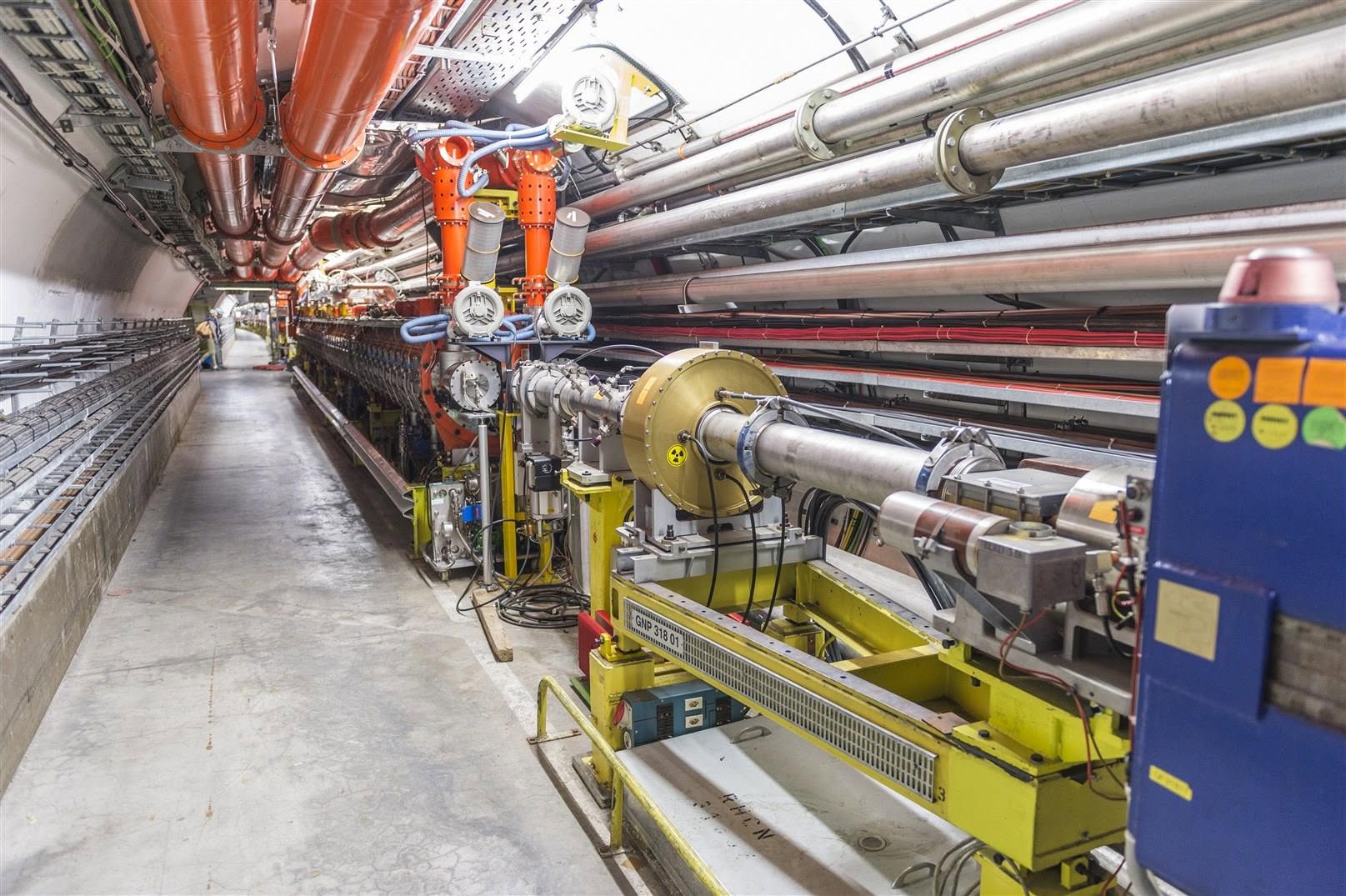
From beam dumps to missing energy: the SPS search for hidden particles
For more than four decades, CERN’s Super Proton Synchrotron has served as a testing ground for new ways to search for particles that interact only feebly with ordinary matter. In a recent lecture, NA64 co-spokesperson Paolo Crivelli traced the evolution of this programme – from the first beam-dump experiments to missing-energy and missing-momentum searches, precision…
-
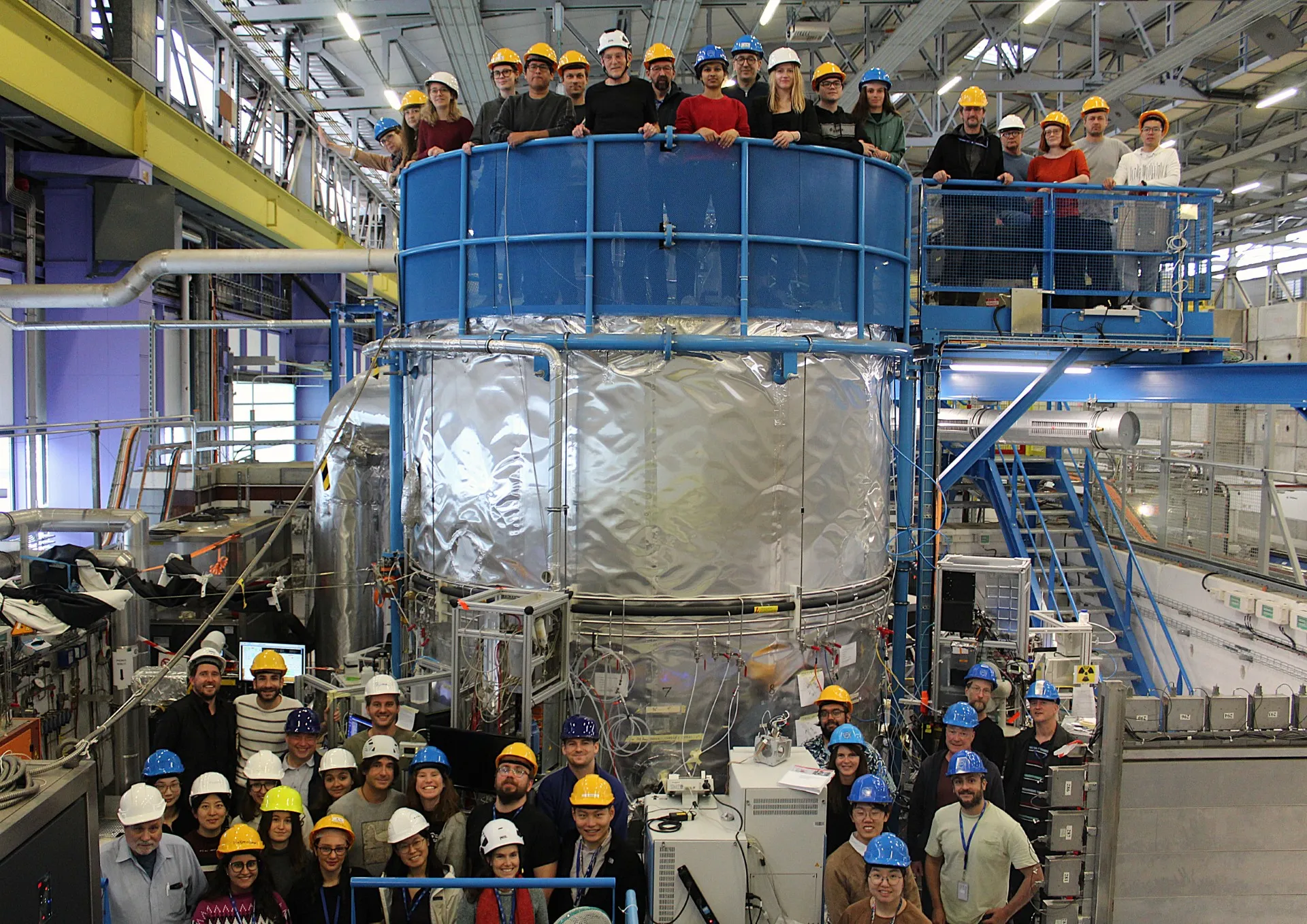
CLOUD experiment reveals a major new source of marine aerosol particles
CLOUD experiment reveals a major new source of marine aerosol particles Clouds form when water vapour condenses onto tiny airborne particles known as aerosols. Once these particles grow larger than about 50 nanometres, they can act as cloud condensation nuclei, or CCN, on which cloud droplets form. Increased aerosol particles influence the climate in several
-
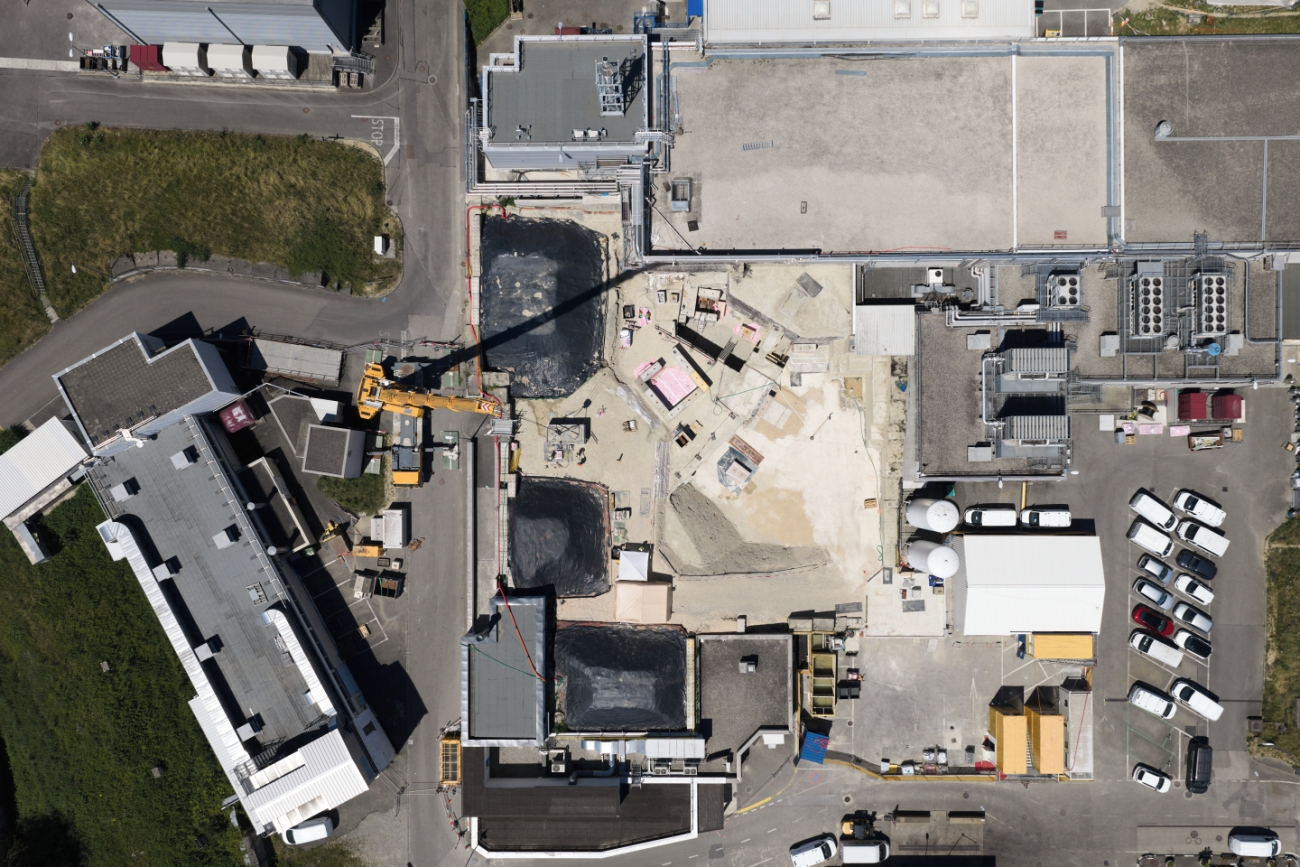
The ISOLDE Improvement Programme
The ISOLDE Improvement Programme The ISOLDE Improvement Programme (IIP) brings together a series of upgrades and consolidation activities to maintain and further develop the ISOLDE facility. The programme includes projects addressing the accelerator infrastructure, beam production, and delivery systems, and experimental facilities, with the objective of improving operational flexibility, reliability, and long-term sustainability. Among the
-
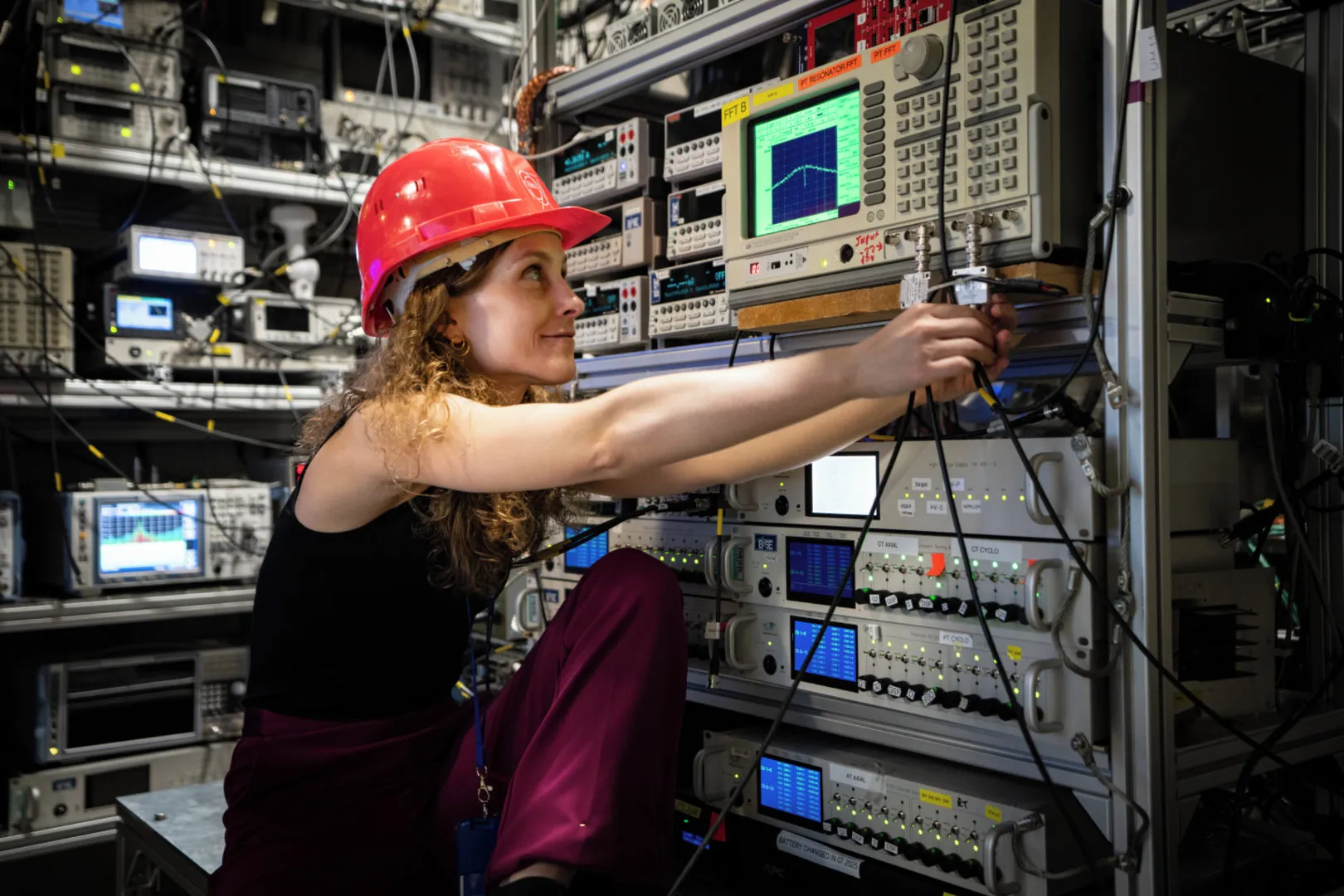
BASE experiment scientist recognised with UPAP Early Career Scientist for coherent antiproton spin spectroscopy
BASE experiment scientist recognised with UPAP Early Career Scientist for coherent antiproton spin spectroscopy Dr Barbara Maria Latacz, CERN scientist and lead author of the BASE study, works on the trap electronics used to control single antiprotons for high-precision antimatter measurements. Barbara Latacz, CERN research scientist and technical coordinator of the BASE experiment, has received
-
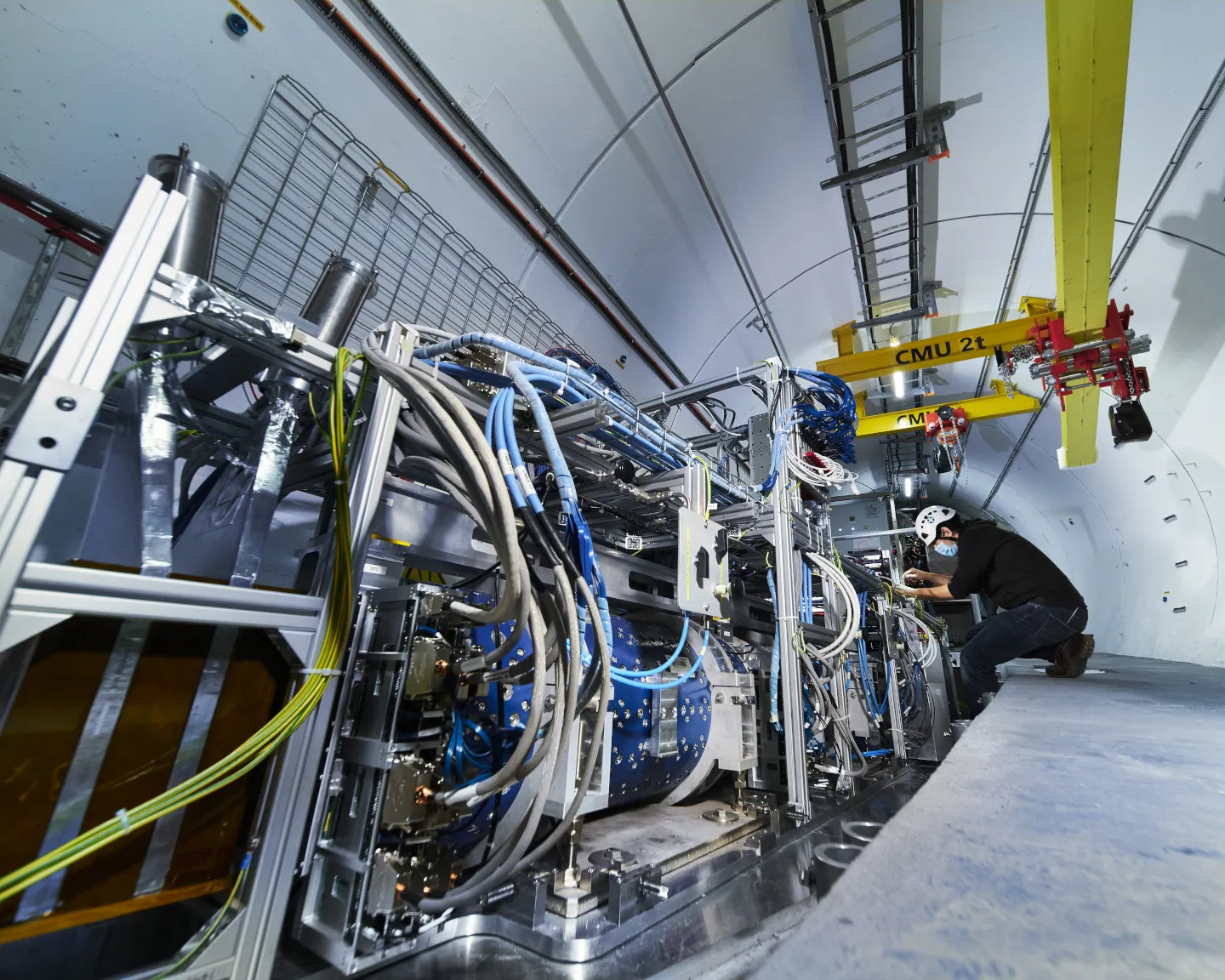
FASER opens new windows on dark sectors and TeV neutrino physics
FASER opens new windows on dark sectors and TeV neutrino physics The FASER experiment has presented a series of new results that highlight the growing breadth of its physics programme at the LHC. These include a search for dark photons with the main FASER detector, a first search for neutrino-induced charm production with FASERν, and
-
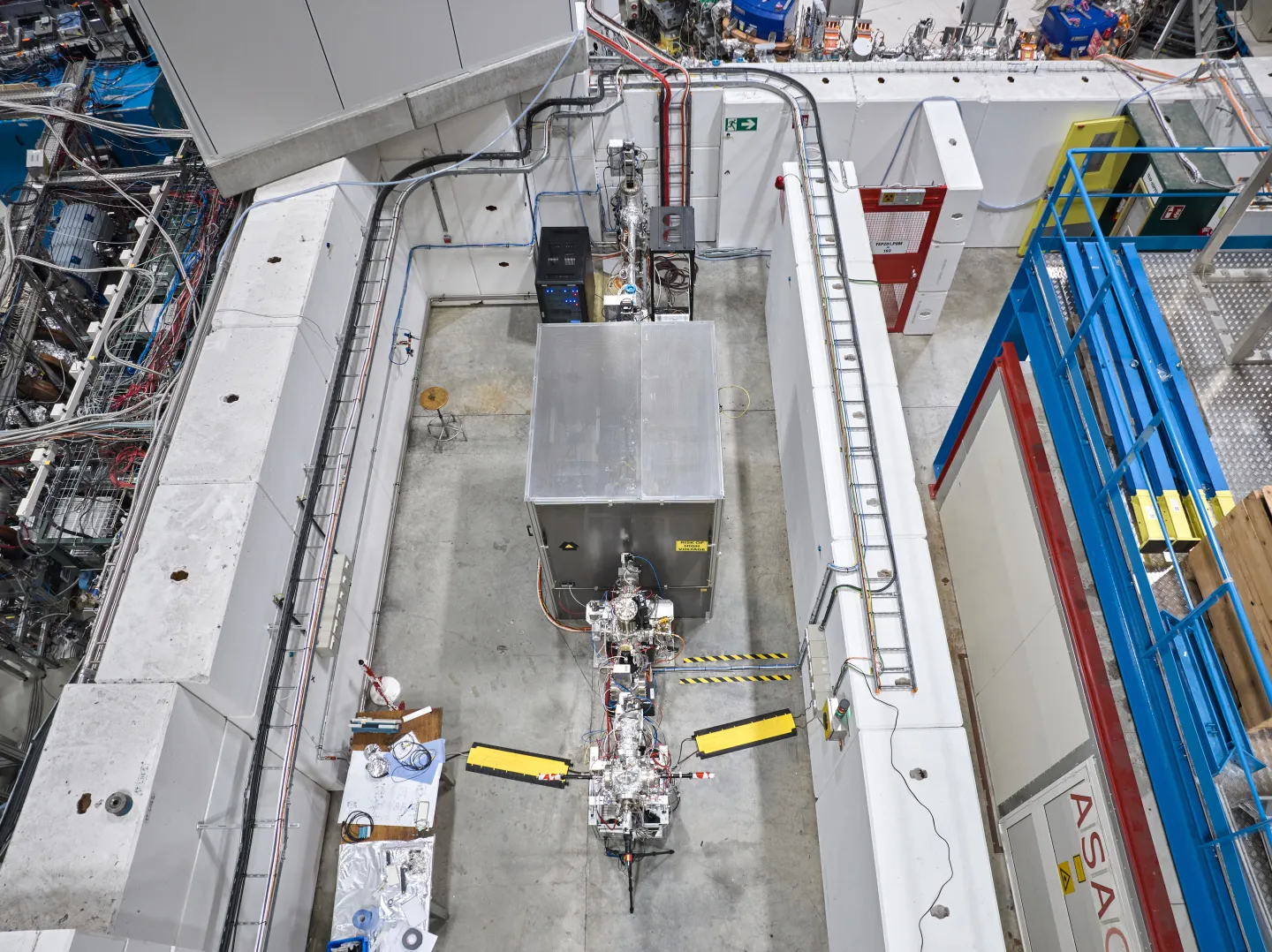
PUMA – Antiprotons as a precision probe for the tail of nuclear density
PUMA – Antiprotons as a precision probe for the tail of nuclear density Understanding the nuclear structure of atomic nuclei away from the valley of stability remains one of the central challenges of nuclear physics and astrophysics. In particular, the dilute outer regions of neutron-rich nuclei can exhibit phenomena such as neutron halos and neutron