
Tag: flavour physics
-
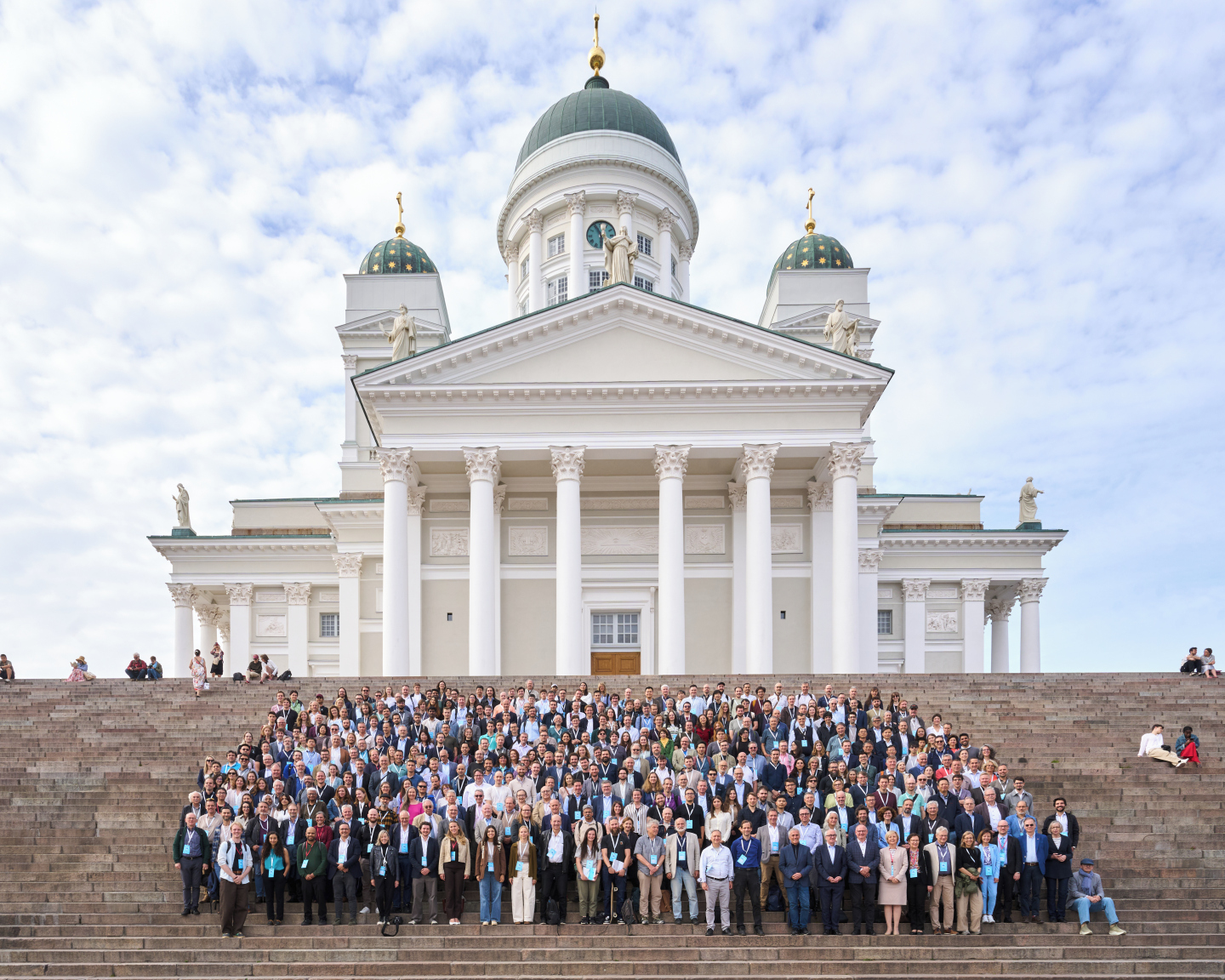
FCC Week 2026: from scientific ambition to an integrated design
FCC Week 2026: from scientific ambition to an integrated design by Panos Charitos (CERN) This year’s annual conference brought together 656 participants in Helsinki to examine how the Future Circular Collider study can move from feasibility demonstration towards a coherent reference design. With its primary focus on FCC-ee, the meeting presented a project in which
-
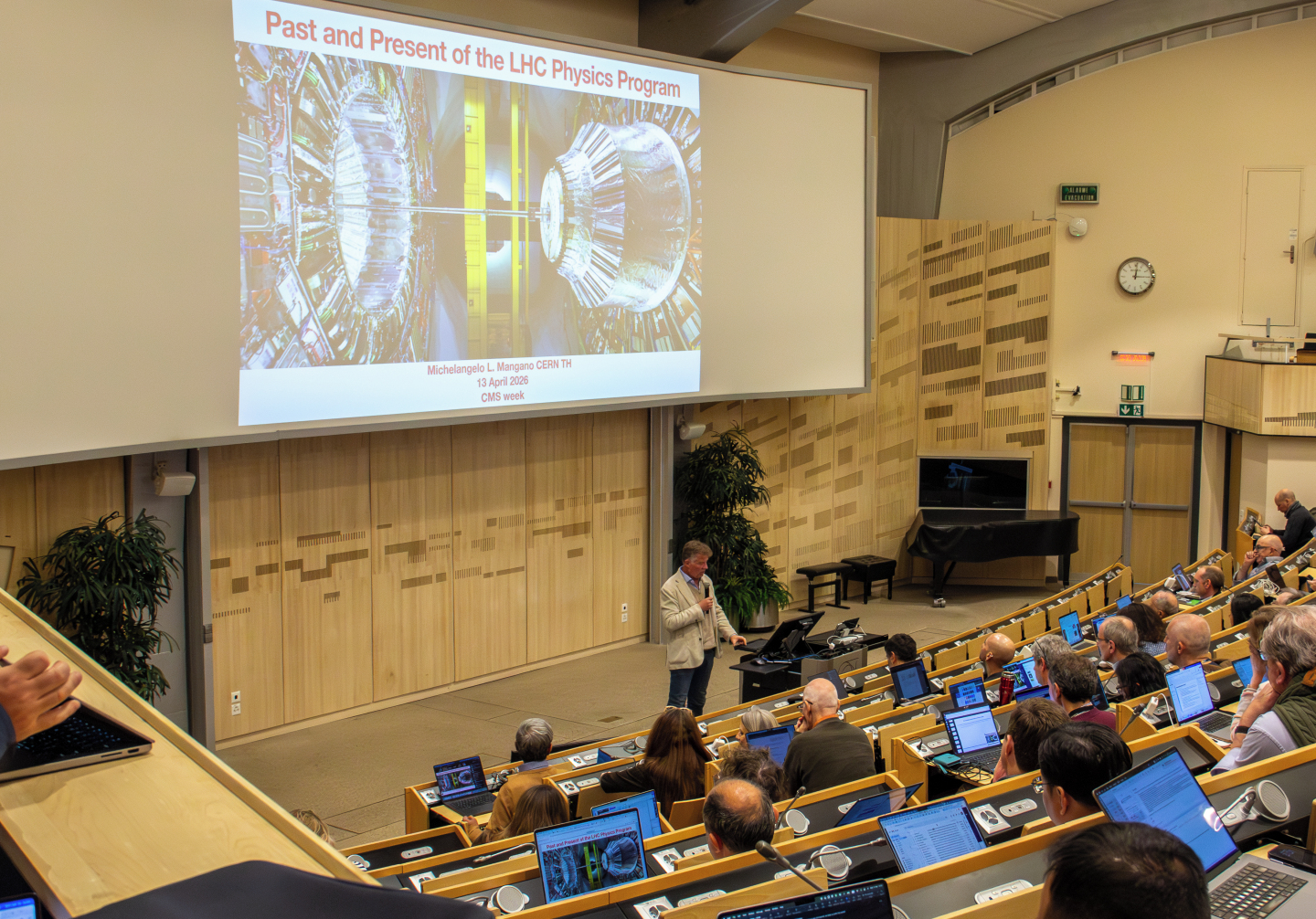
Past and Present of the LHC Physics Programme: A Viewpoint
Before the LHC began operations, expectations were immense. It was not perceived simply as CERN’s next machine after LEP, but as “the next machine after everything”—a collider expected to settle how electroweak symmetry is broken.
-
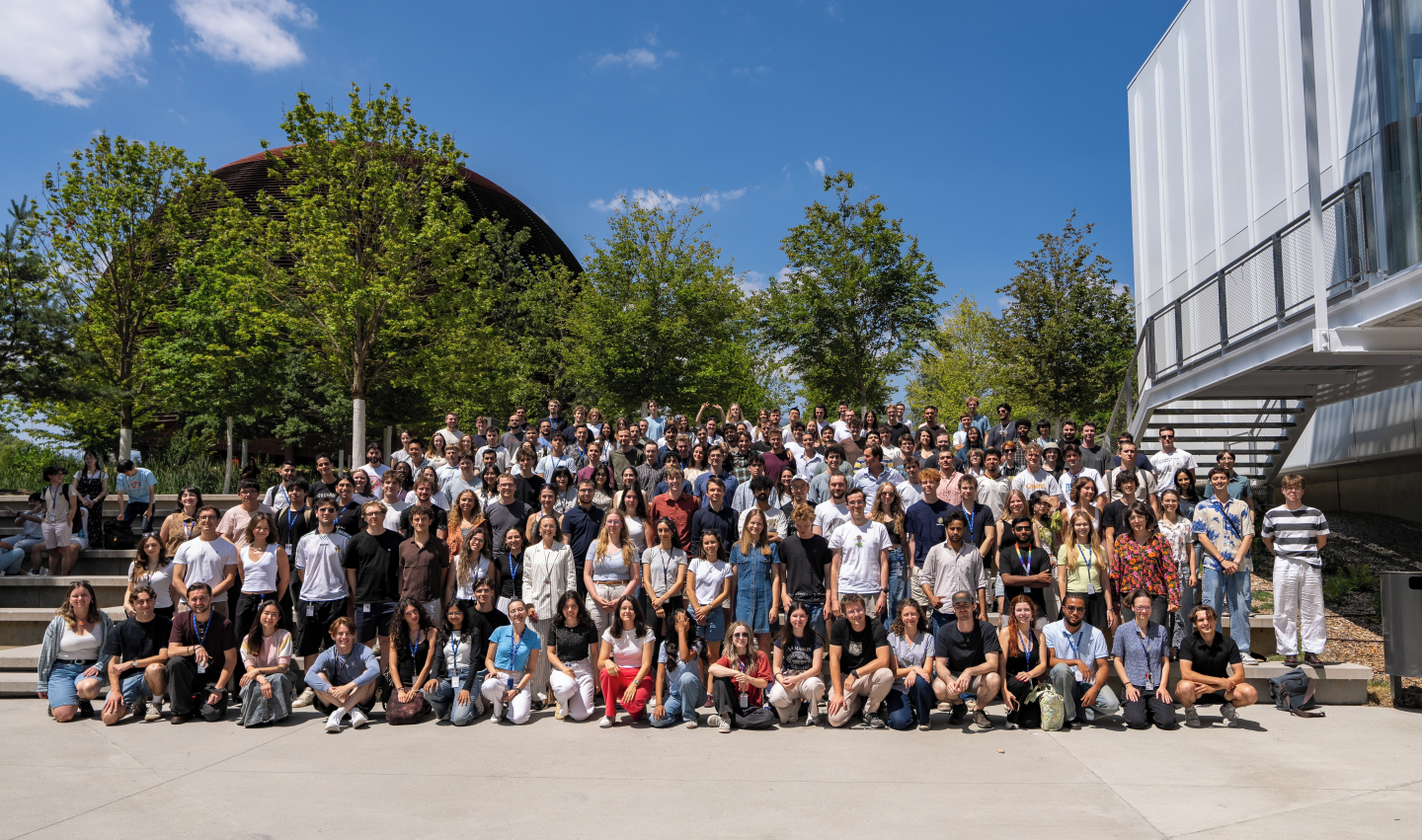
One summer, a world of possibilities: CERN’s Summer Student Programme 2026
More than 320 students from over 90 nationalities spent the summer at CERN, contributing to research, exploring new ideas and building friendships. As the 2026 Summer Student Programme concludes, discover the people, projects and experiences behind an unforgettable summer of science.
-
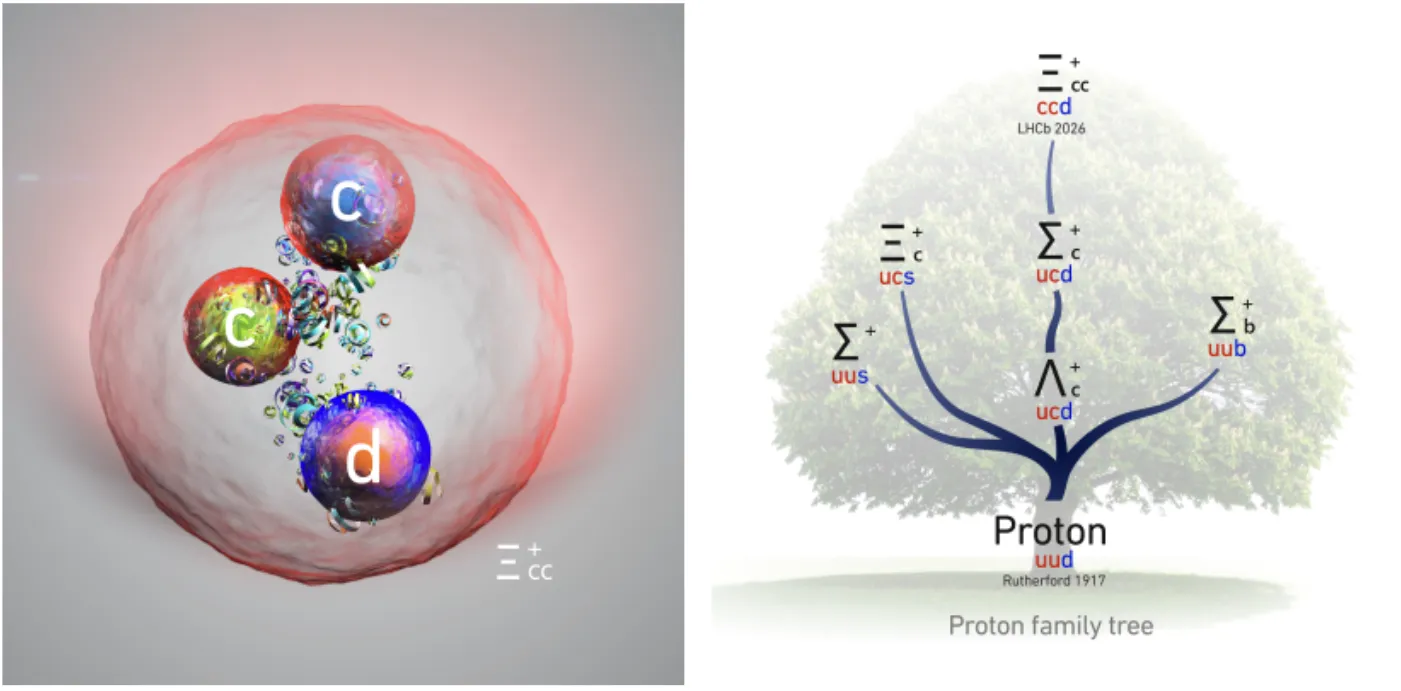
Doubly charmed baryon doublet completed with upgraded LHCb
Doubly charmed baryon doublet completed with upgraded LHCb The image on the left presents an artist’s impression of this exotic particle, while the diagram on the right shows a kind of “family tree” of the proton, illustrating how heavier relatives emerge when its quarks are replaced by strange (s), charm (c), or bottom (b) quarks.
-
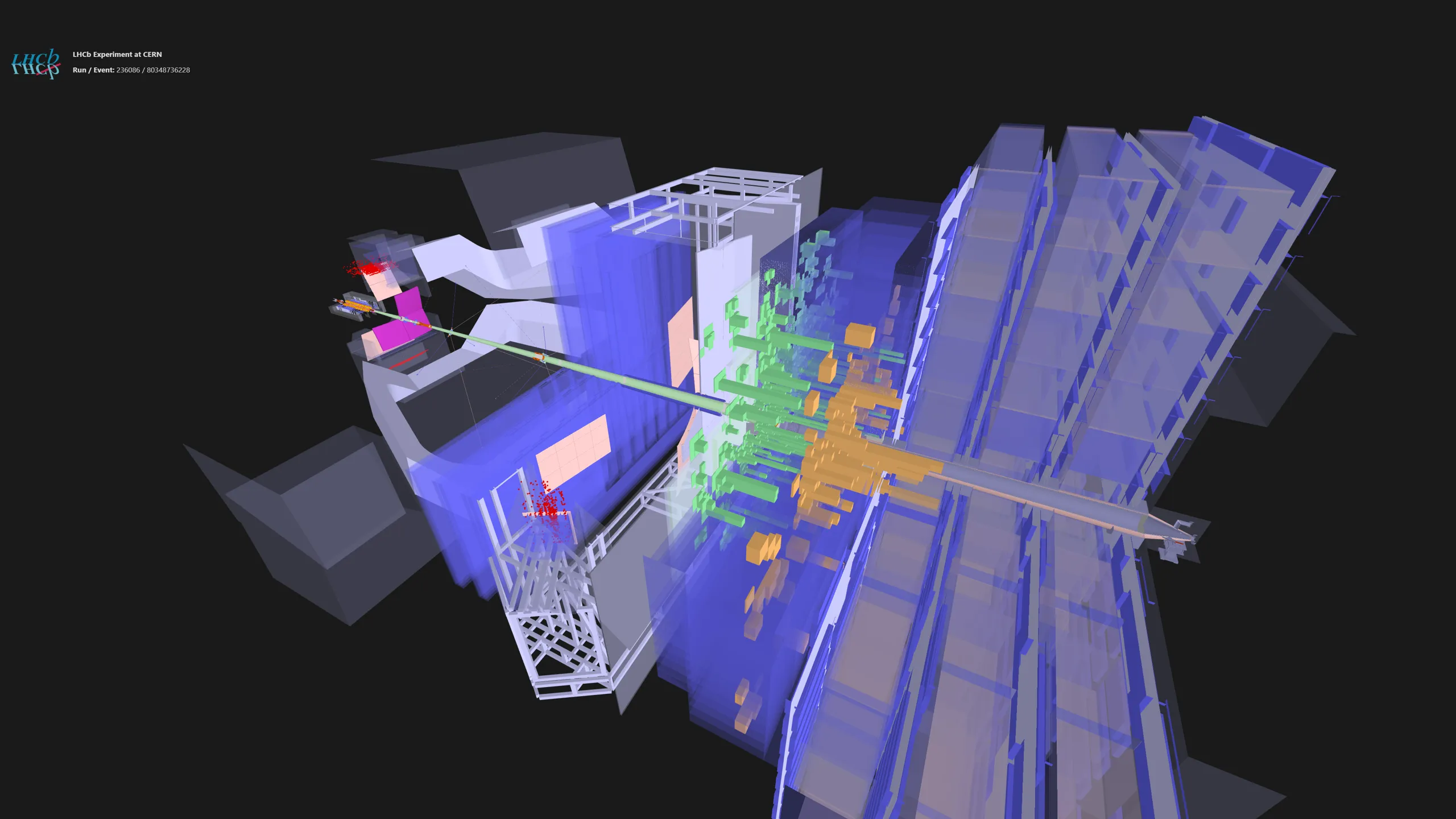
From top quarks to Higgs bosons: LHCb’s expanding jet programme
From top quarks to Higgs bosons: LHCb’s expanding jet programme Over the past decade, LHCb has steadily evolved from a detector primarily associated with heavy-flavour physics into a broader forward spectrometer able to address an increasingly diverse set of questions in Standard Model and beyond-the-Standard-Model physics. Two recent papers illustrate that evolution particularly well. One
-

Exploration with LHCb: from unseen to rare
Exploration with LHCb: from unseen to rare Flavour physics, even at low-energy scales, offers a glimpse at energy scales far higher than those reachable directly thanks to the quantum loop effects, which are present in the quark transitions. The rarer or more suppressed a given transition is within the standard model (SM) of particle physics,
-
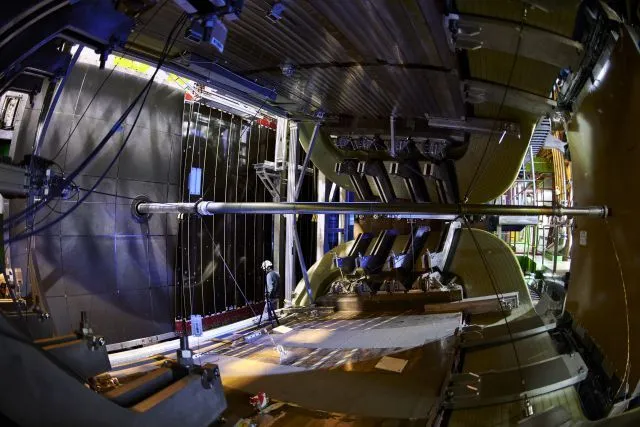
New precise measurements of CP violation and mixing in beauty and charm decays at LHCb
New precise measurements of CP violation and mixing in beauty and charm decays at LHCb In 1928, a young Paul Dirac wrote one of the most spectacular papers of modern physics when he successfully unified two distinct theories, quantum mechanics and special relativity. What arose from his equations was a prediction of a new form
-
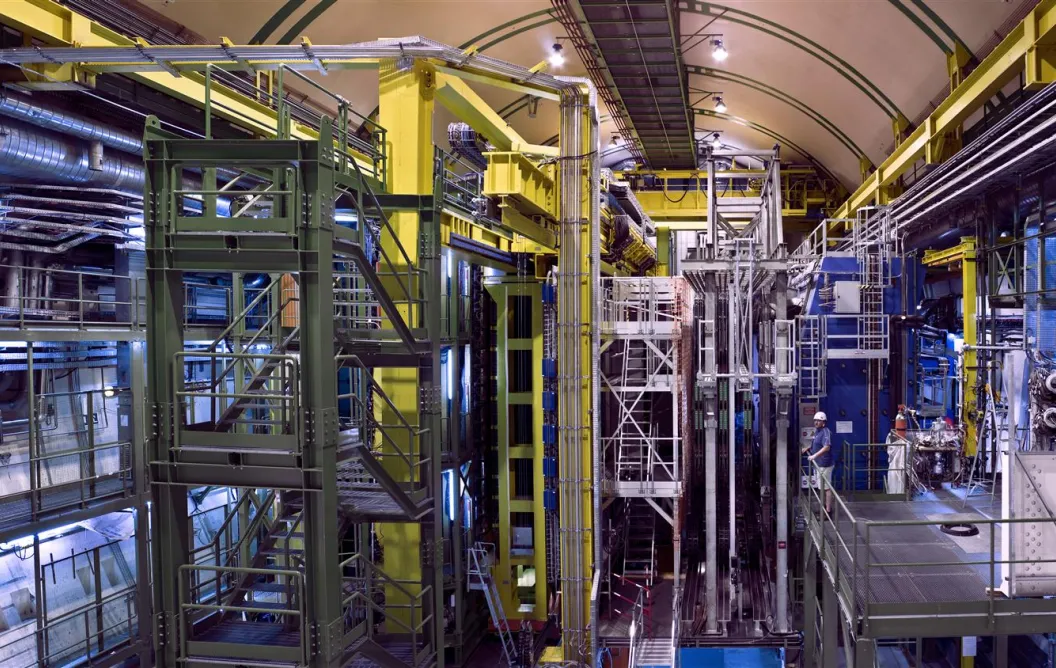
LHCb in the hunt of tetraquarks
LHCb in the hunt of tetraquarks In 2003, the Belle collaboration reported the observation of an unexpected new particle, showing up in the mass spectrum of J/ψ π π candidated. Its mass was somewhat close to the value expected for the yet unobserved χc1(2P) charmonium, but its width was extremely narrow and completely dominated by
-
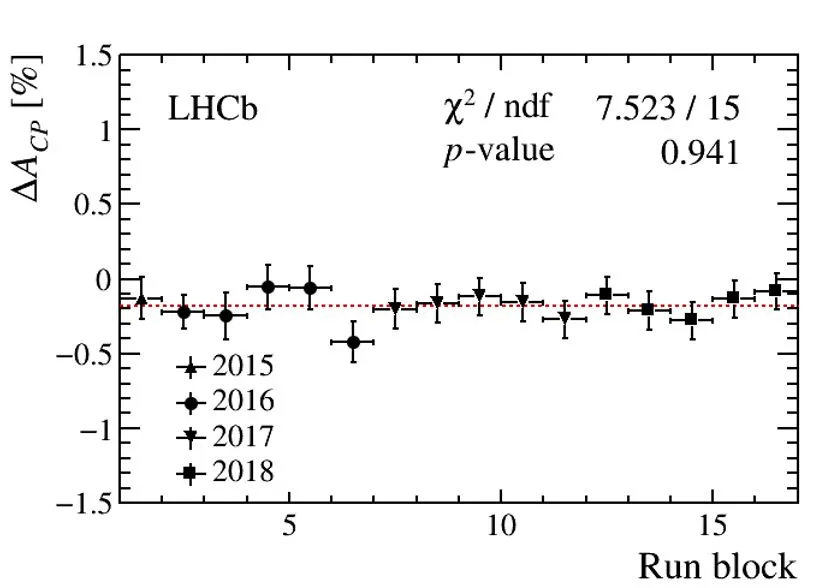
LHCb observes CP violation in charm
LHCb observes CP violation in charm We live in a Universe of matter, which is a good thing but poses a problem: We know that in the Big Bang initially as much matter as antimatter was produced, and that the antimatter somehow disappeared. How this happened is one of the questions that the LHCb experiment