
Tag: timing detector
-
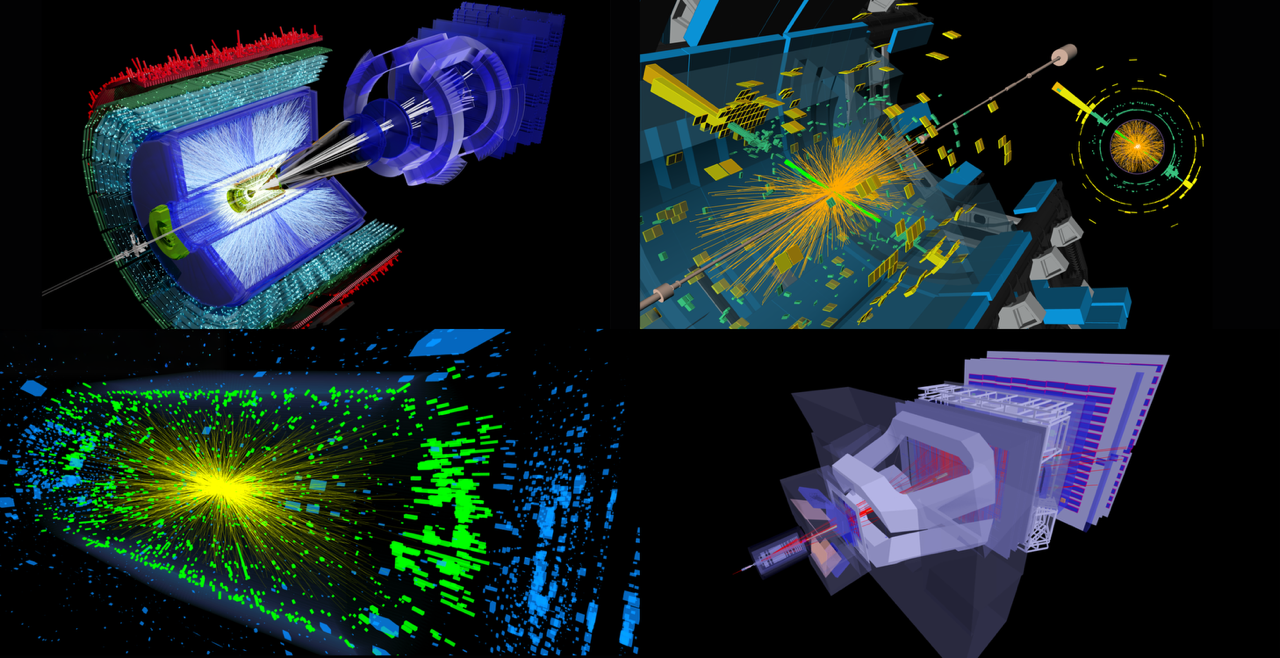
From Run 3 to the next generation: following the transformation of the LHC experiments
From dismantling detector components to installing new technologies, the transition from Run 3 to the next generation of LHC experiments is a major scientific and engineering undertaking. We follow the teams behind this transformation, exploring the challenges inside the experimental caverns and the expertise across CERN’s EP Department that helps turn ambitious upgrade plans into…
-
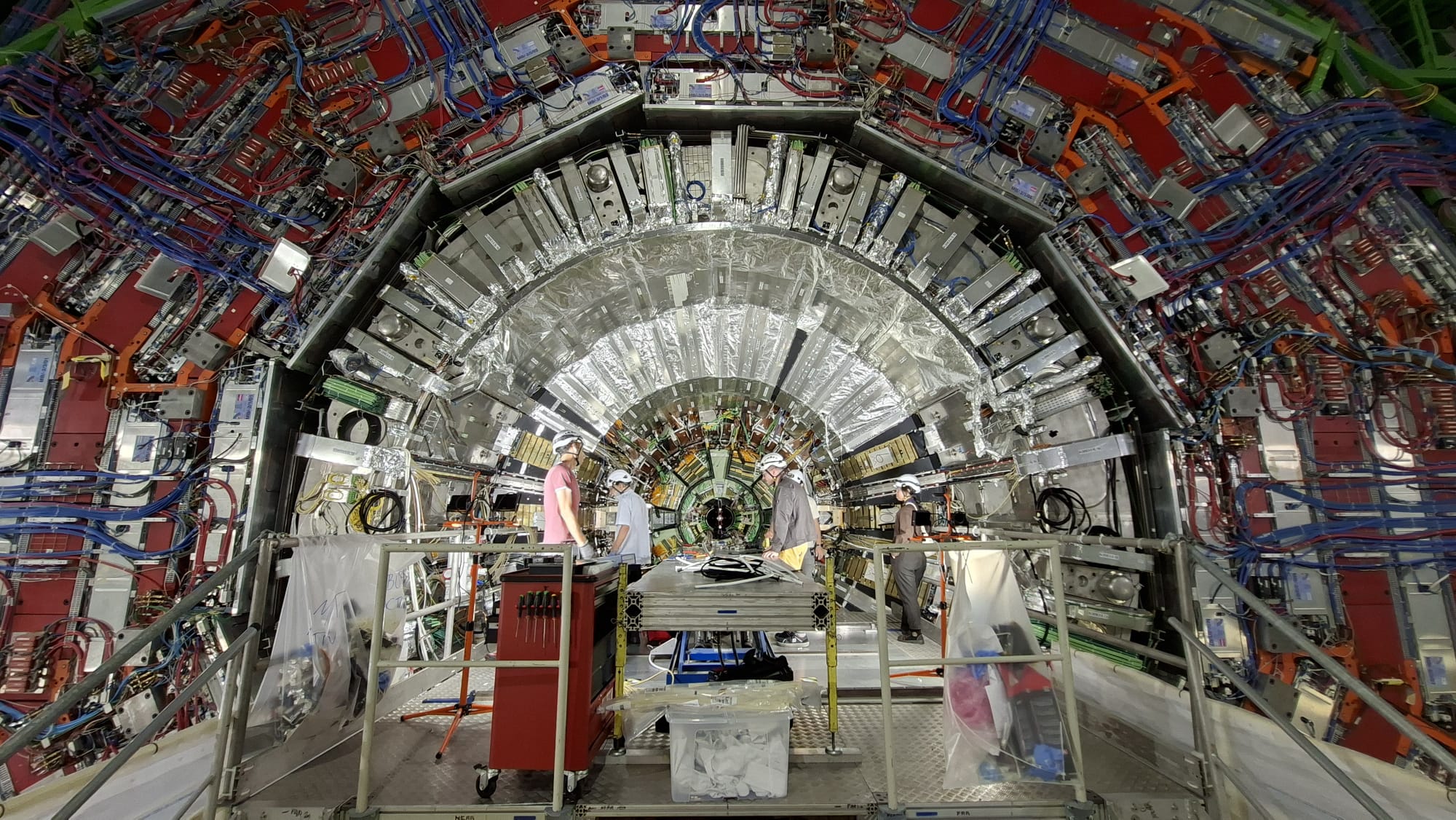
Inside CMS’s LS3 decommissioning challenge
CMS has begun one of the most demanding interventions in its history: the carefully planned removal of around 600 m³ of legacy services. Empty racks and cable trays now reveal the first stage of the detector’s transformation for the High-Luminosity LHC.
-
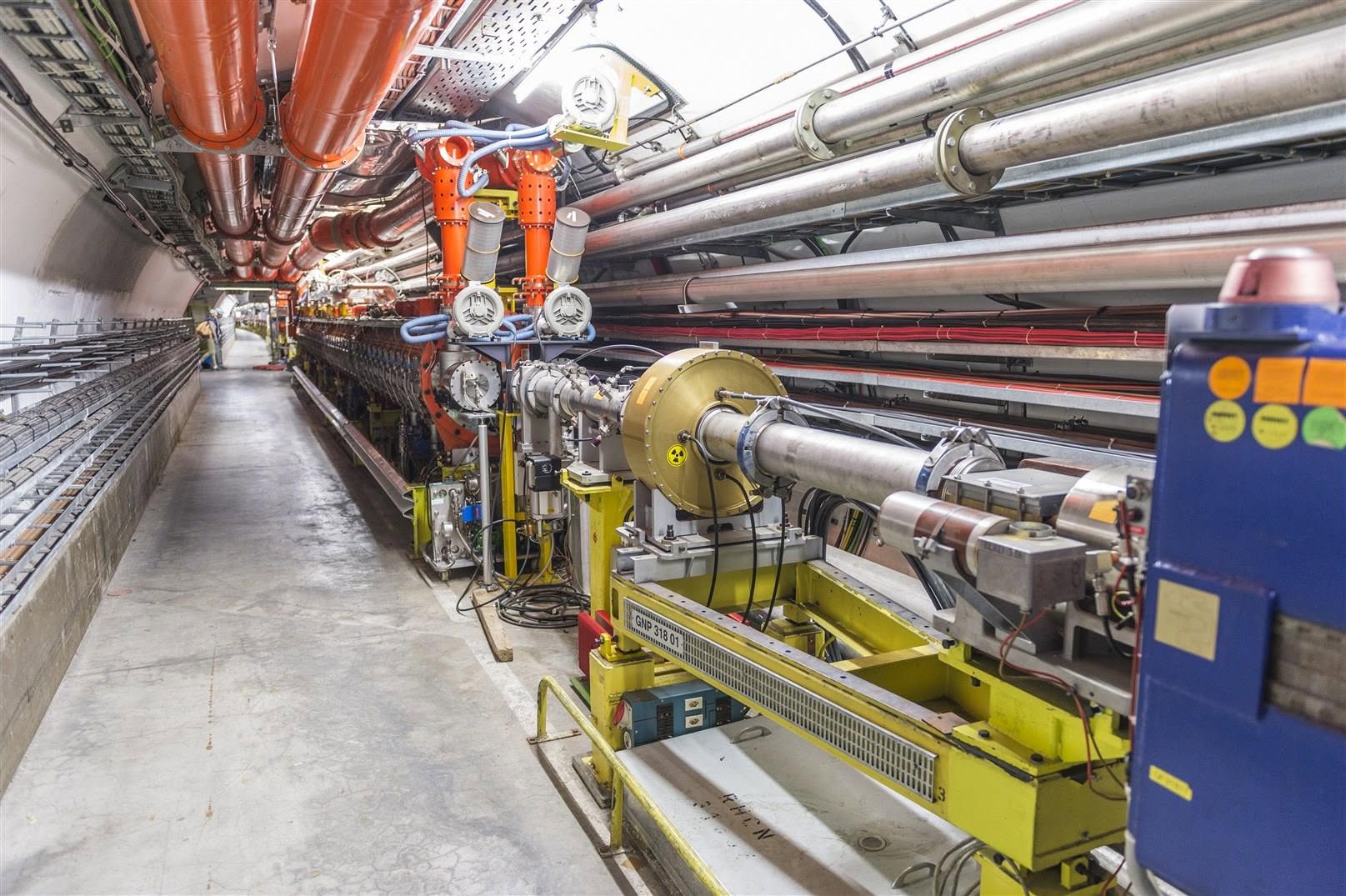
From beam dumps to missing energy: the SPS search for hidden particles
For more than four decades, CERN’s Super Proton Synchrotron has served as a testing ground for new ways to search for particles that interact only feebly with ordinary matter. In a recent lecture, NA64 co-spokesperson Paolo Crivelli traced the evolution of this programme – from the first beam-dump experiments to missing-energy and missing-momentum searches, precision…
-
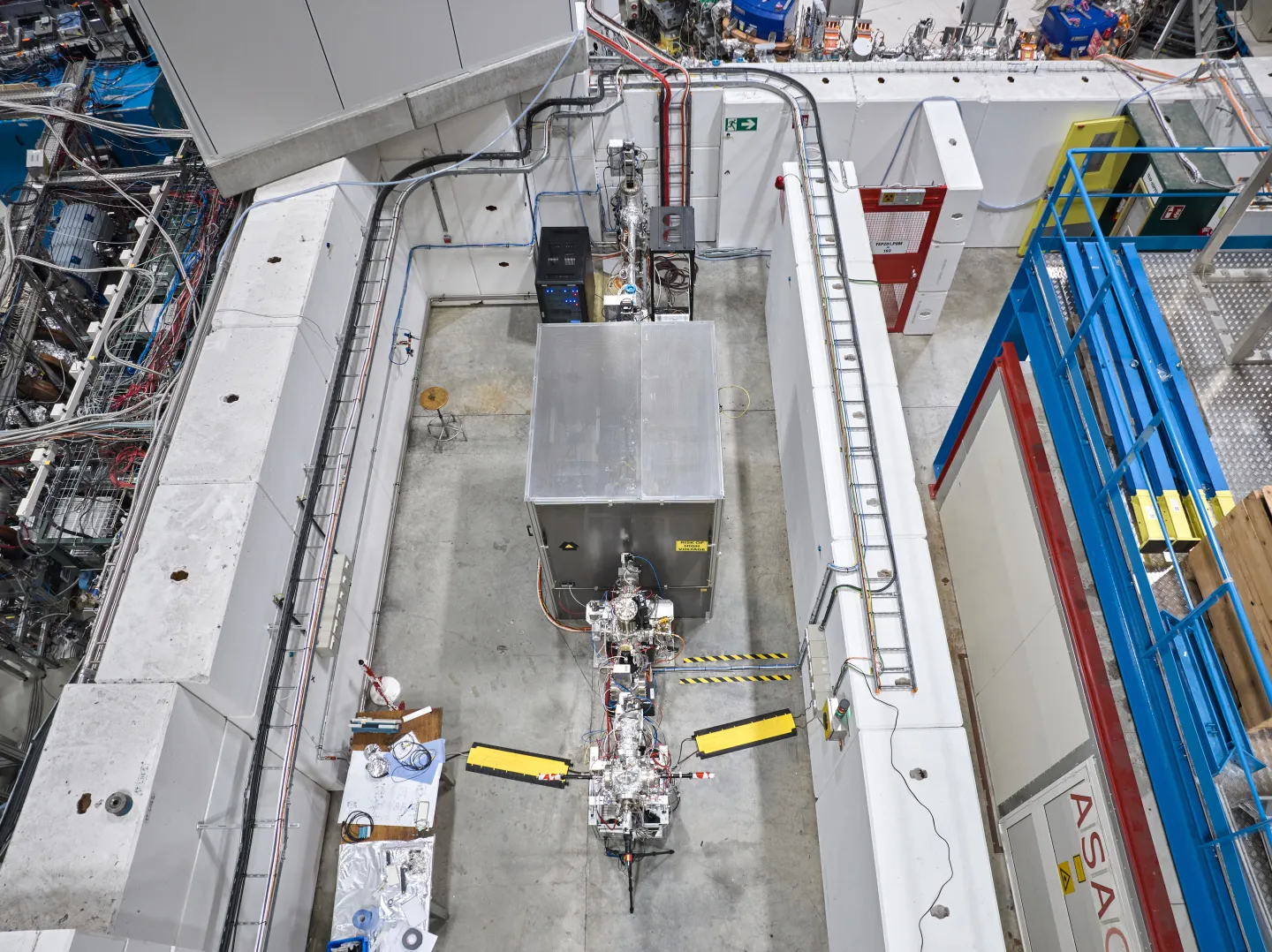
PUMA – Antiprotons as a precision probe for the tail of nuclear density
PUMA – Antiprotons as a precision probe for the tail of nuclear density Understanding the nuclear structure of atomic nuclei away from the valley of stability remains one of the central challenges of nuclear physics and astrophysics. In particular, the dilute outer regions of neutron-rich nuclei can exhibit phenomena such as neutron halos and neutron
-
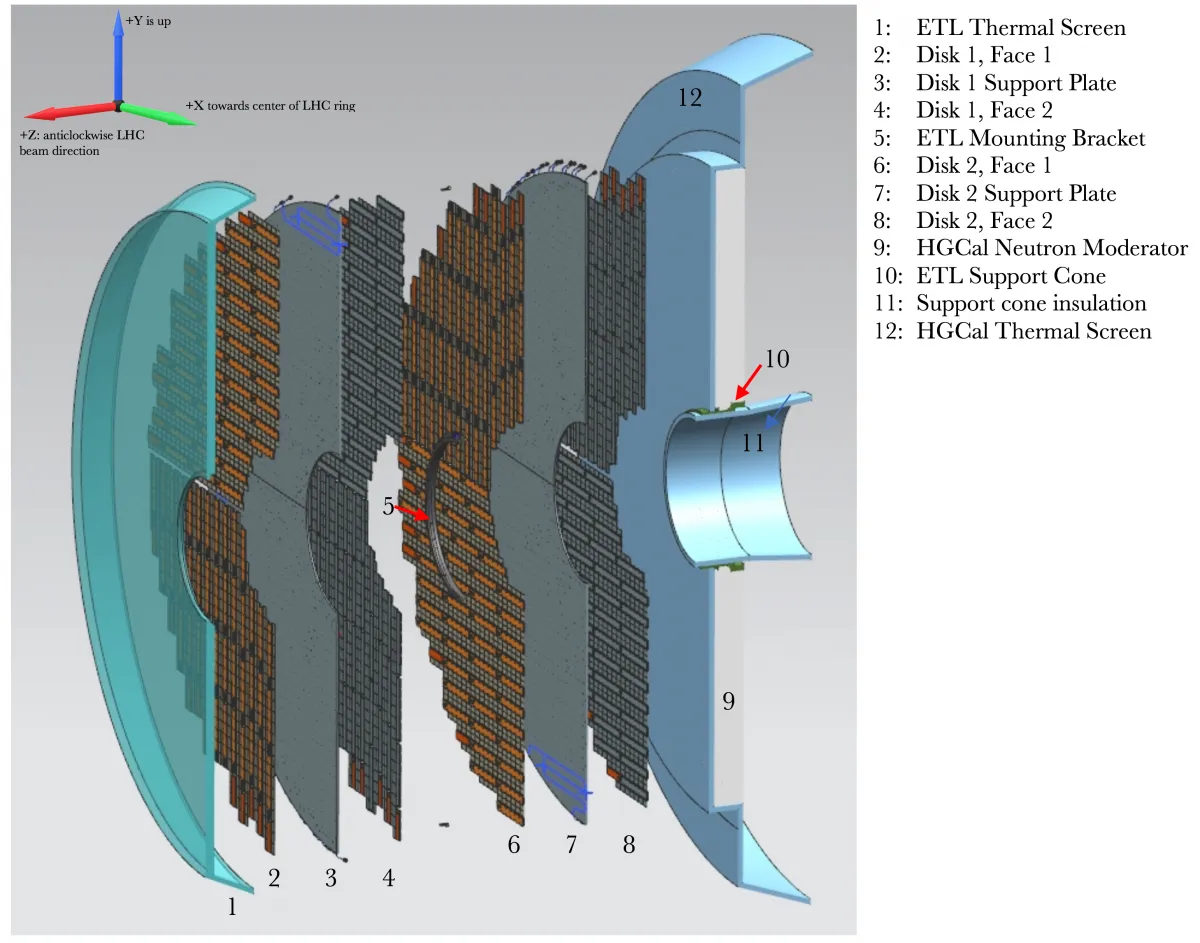
Precision timing upgrade of the CMS detector
Precision timing upgrade of the CMS detector Soon after 2027, the LHC will enter the high luminosity era, known as HL-LHC. It will begin operations at a stable luminosity of 5.0×1034 cm−2 s−1, resulting in much higher collision rates than currently achievable, but with a pileup of 140 collisions during a bunch crossing. In an