
Category: Newsletter
-
How heavy is the proton?
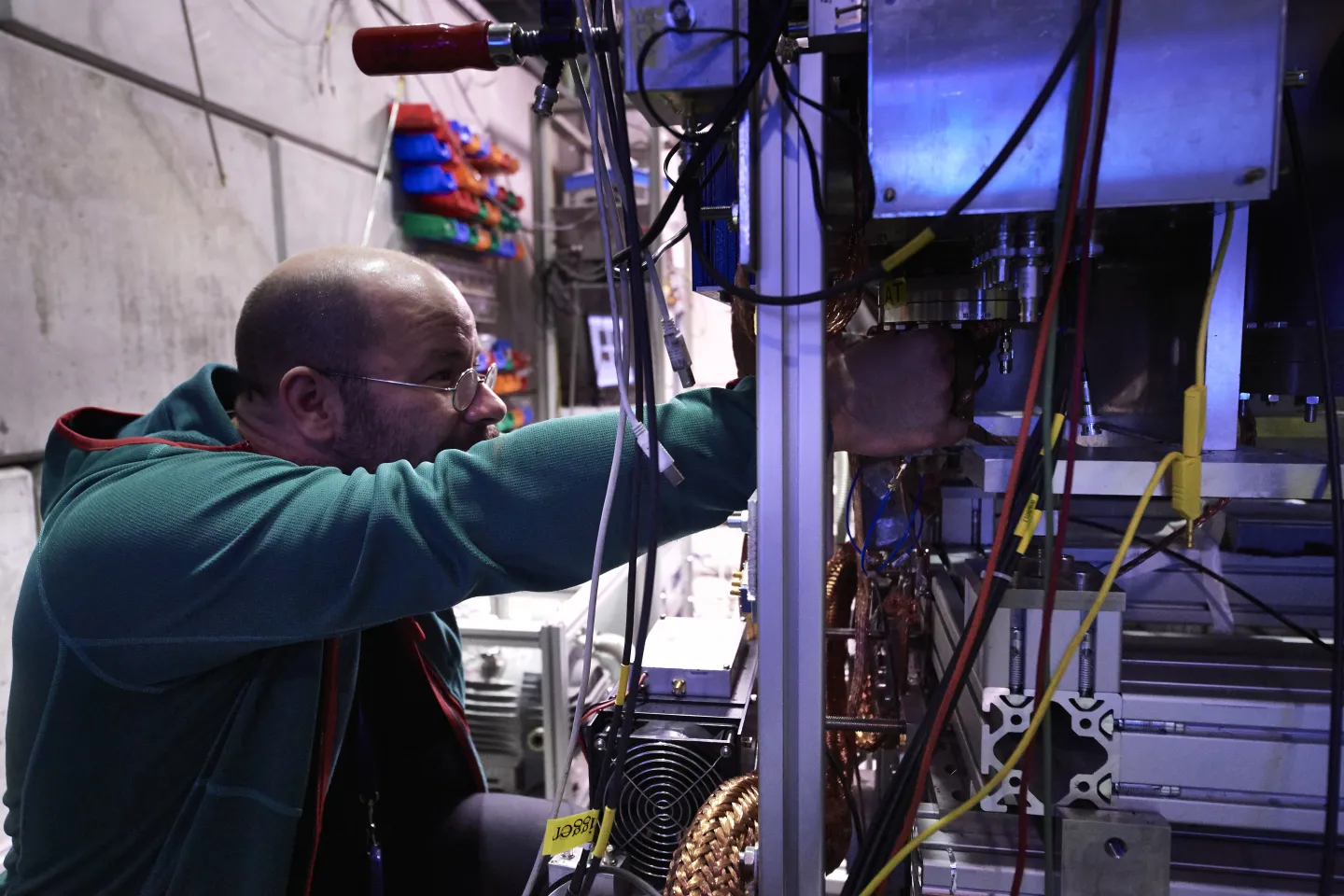
How heavy is the proton? To determine the mass of a single proton more accurately, the group of physicists from the Max Planck Institute for Nuclear Physics in Heidelberg and RIKEN in Japan performed an important high-precision measurement in a greatly advanced Penning trap system. The sensitive single-particle detectors were partly developed by the RIKEN
-
Colliding photons at the LHC!
Colliding photons at the LHC! The interaction of photons with matter such as Compton and Thompson scattering are well-known at higher photon energies. What about the scattering events between photons? In classical Maxwell theory photons do not interact. In contrast, in quantum theory they can interact via quantal fluctuations. During the early years of quantum
-
New dosimeter design for FCC
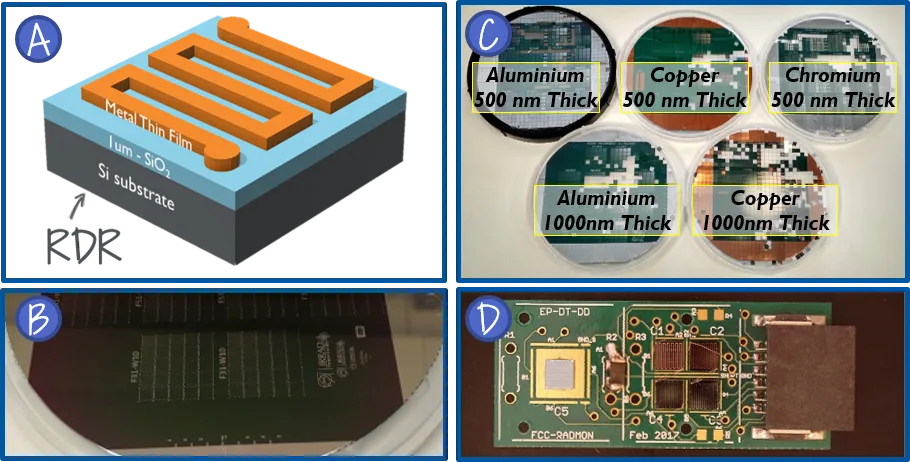
New dosimeter design for FCC The presence of radiation at the LHC may cause damage to sensitive electronics equipment and magnets, jeopardising the operation of the world’s largest and most complex machine. Until now, CERN radiation experts have been using state-of-the-art dosimeters to monitor radioactivity levels in the tunnels and to perform irradiation tests of
-
New LHC results presented at EPS-HEP 2017
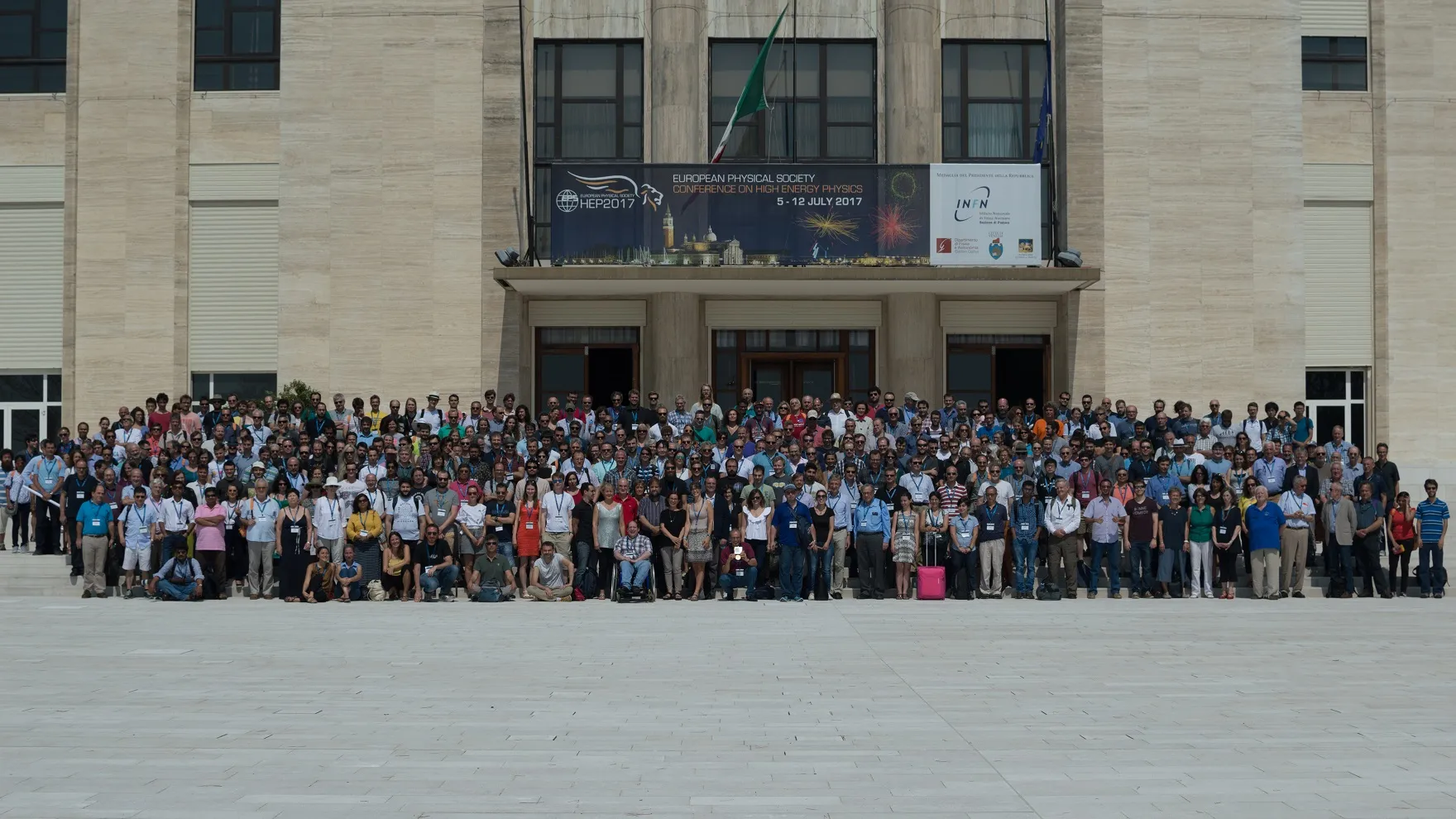
New LHC results presented at EPS-HEP 2017 Over 700 physicists coming from 50 countries met in Venice to discuss the newest results in their field at EPS 2017, one of the world’s most important conferences on particle physics. The conference was co-organized by the European Physical Society, the Istituto Nazionale di Fisica Nucleare (INFN) and
-
Bring on the DUNE detectors
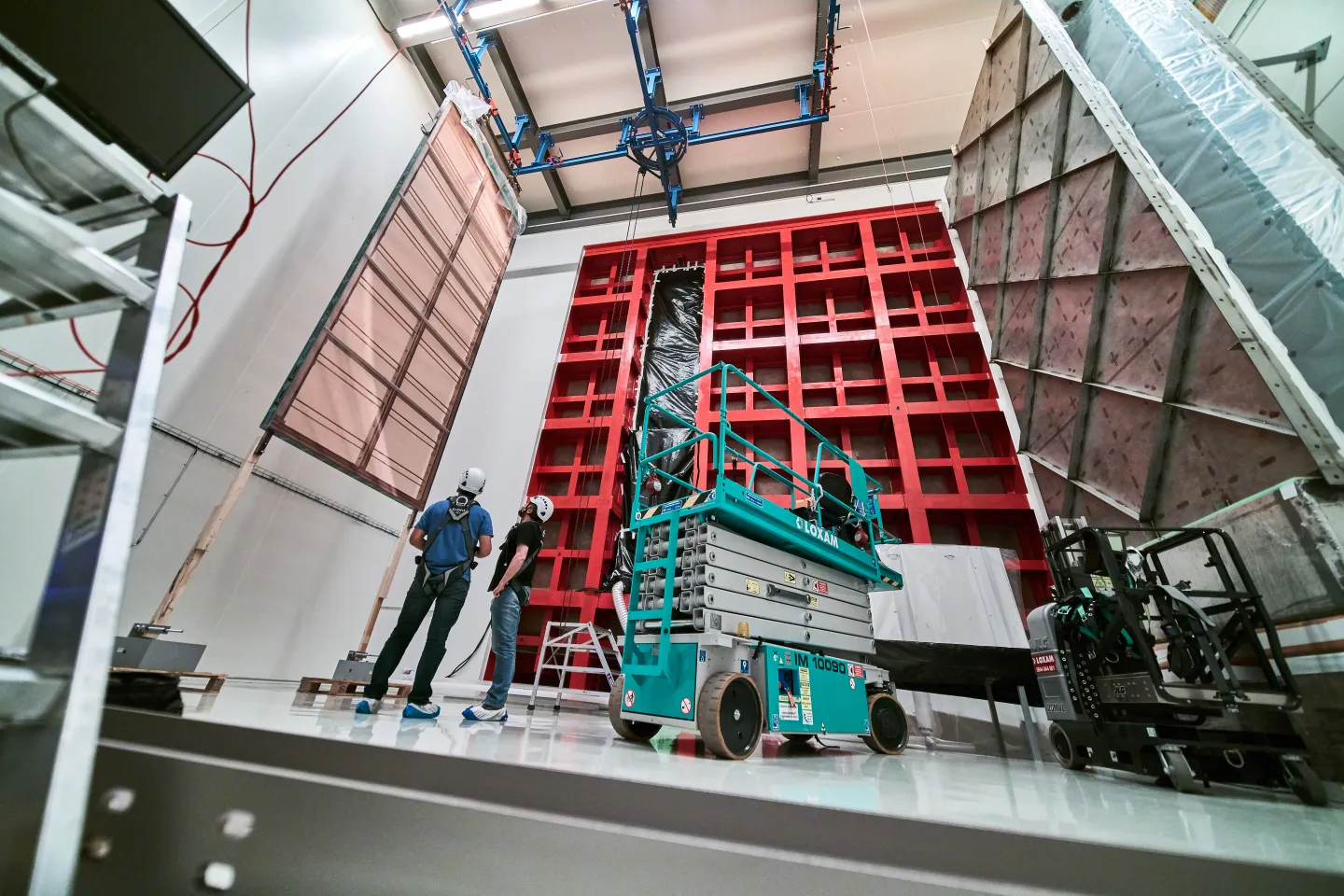
Bring on the DUNE detectors DUNE (Deep Underground Neutrino Experiment) is an international experiment pushing the frontiers of neutrino science and proton decay in the next two decades. The experiment will use the world's most intense neutrino beam from Fermilab’s Long-Baseline Neutrino Facility, a Near Detector to characterise the initial beam and study neutrino interactions
-
Highlights from the FCC Week 2017
Highlights from the FCC Week 2017 The 3rd annual meeting of the Future Circular Collider collaboration brought together more than 500 leading minds in engineering, science and industry to discuss the progress of the study and lay the foundations for the FCC design report. The increasing number of participants, coming from 147 institutes, reflect the
-
SESAME facility: A source of light for the Middle East
SESAME facility: A source of light for the Middle East The Synchrotron-light for Experimental Science and Applications in the Middle East (SESAME) laboratory, which is a third generation light source, was opened last month near Amman, Jordan. SESAME will be open to all scientists of the world, although it will primarily serve scientists from its
-
A word from the Head of the EP department – June 2017
A word from the Head of the EP department – June 2017 Dear Colleagues, dear Members of the EP Department and CERN Users, When you read this EP Newsletter the LHC will be operating in full production mode after a very smooth start-up. Interrupted only by short machine development periods, proton-proton data taking will continue
-
Perspectives of LHCP2017
Perspectives of LHCP2017 More than 450 physicists from around the world visited Shanghai to hear the latest LHC results, at the fifth annual Large Hadron Collider Physics (LHCP17) conference. This year, the LHC experiments presented an interesting set of new results exploiting the high statistics of the combined 2015 and 2016 dataset. BROKEN IMAGE NOT
-
RD50: 30th Workshop on radiation hard semiconductor devices for high luminosity colliders
RD50: 30th Workshop on radiation hard semiconductor devices for high luminosity colliders The RD50 collaboration “Radiation hard semiconductor devices for high luminosity colliders” is working on the development of radiation-tolerant silicon sensors for the detectors of the HL-LHC (High Luminosity-LHC) experiments and started to evaluate challenges arising from radiation levels and technology demands anticipated for