
Category: Newsletter
-
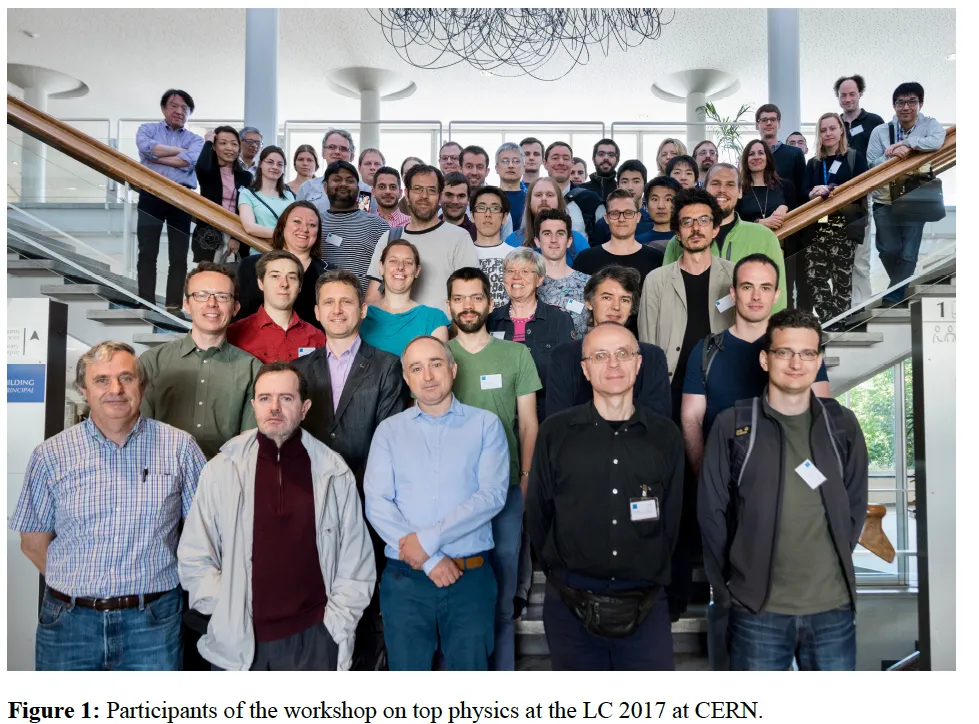
Toward top physics in electron-positron collisions
Toward top physics in electron-positron collisions The heaviest known elementary particle, the top quark, has not been studied in electron-positron collisions so far. A possible future collider such as the ILC, CLIC or FCC-ee would enable a unique top physics program far beyond the capabilities of the HL-LHC. About 60 experts met at CERN from
-
A word from the Head of the EP department – October 2017
A word from the Head of the EP department – October 2017 Dear Colleagues, dear Members of the EP Department and CERN Users, Welcome to the autumn edition of the newsletter of the EP department. The EP newsletter is meant to inform all members of the department about what is going on in EP, and
-
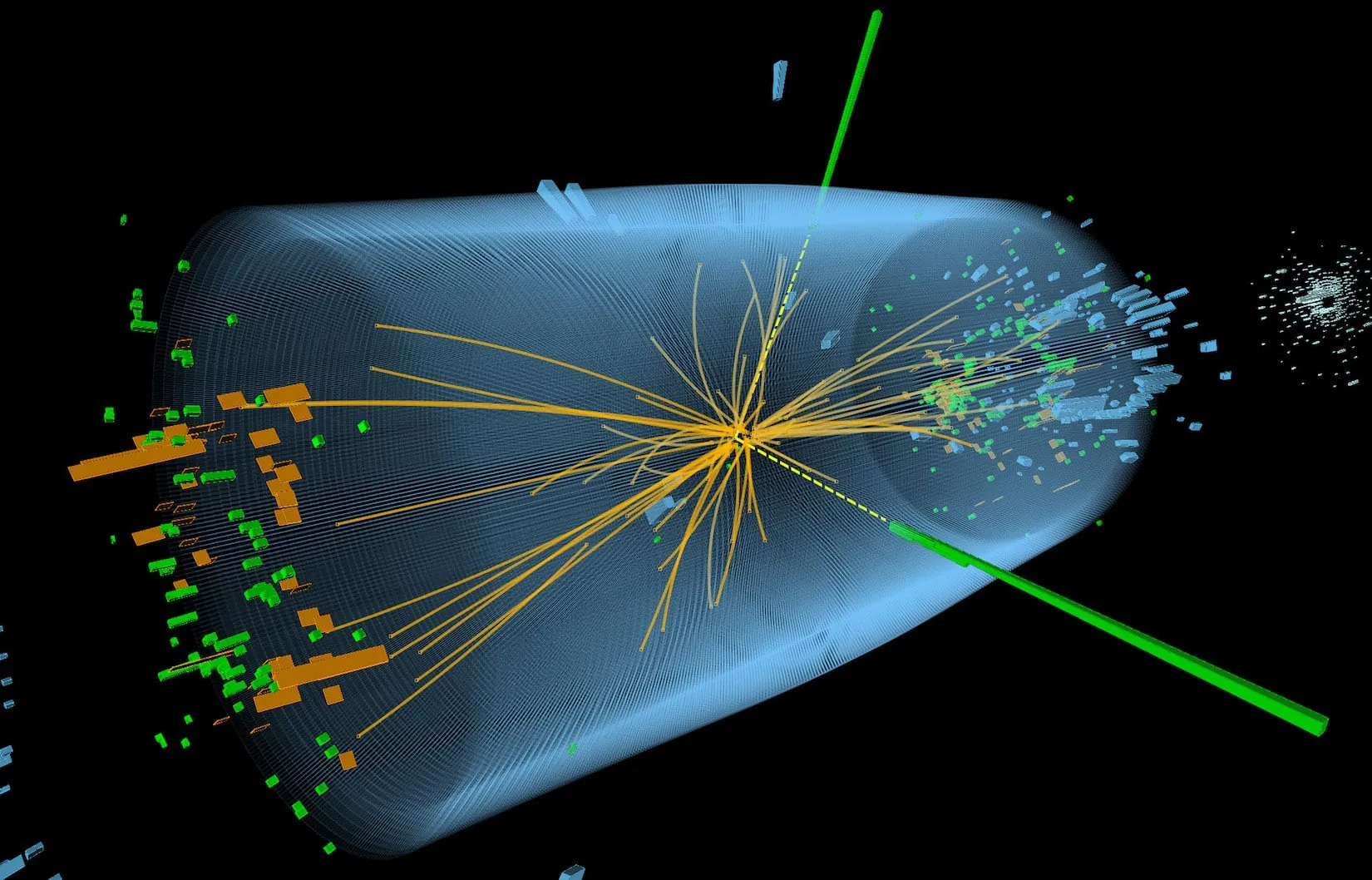
Electroweak boson pairs offer new approach to searches for New Physics
Electroweak boson pairs offer new approach to searches for New Physics During the past decades, the Standard Model (SM) of particle physics that explains how the basic building blocks of matter interact is scrutinised by high energy physics experiments. Along with the remarkable success of the SM, there are compelling reasons to consider that at
-
CERN’s range of interaction becomes infinite
CERN’s range of interaction becomes infinite With over 60 years of history and more than 13,000 users from all over the world who tread the streets of its campus, CERN clearly has great potential to bring together a varied alumni community. While at CERN, members of personnel – not just staff but also users, associates,
-
Baby MIND born at CERN
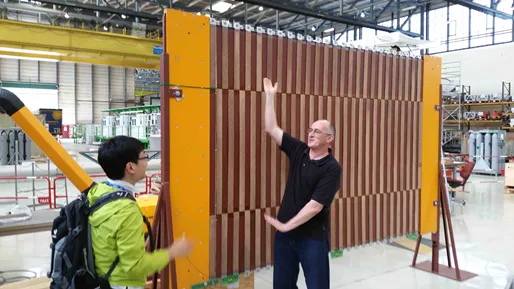
Baby MIND born at CERN BROKEN IMAGE NOT MOVED (drupal url : https://ep-news.web.cern.ch//content/baby-mind-born-cern) Born from prototyping activities launched within the AIDA project, the Baby MIND aims to measure the momentum and identify the charge of muons that are the product of neutrino interactions in the WAGASCI detector at J-PARC. The WAGASCI detector, experiment T59, is
-
ALICE Highlights from Strangeness in Quark Matter 2017
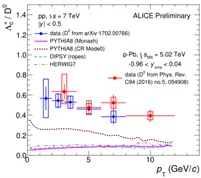
ALICE Highlights from Strangeness in Quark Matter 2017 BROKEN IMAGE NOT MOVED (drupal url : https://ep-news.web.cern.ch//content/alice-highlights-strangeness-quark-matter-2017) The 17th edition of the International Conference on Strangeness in Quark Matter(SQM) was held in Utrecht, The Netherlands, from 10 to 15 July 2017. This conference, traditionally one of the major appointments for the heavy-ion community, focuses on new
-
ALPHA experiment takes a closer look at antimatter
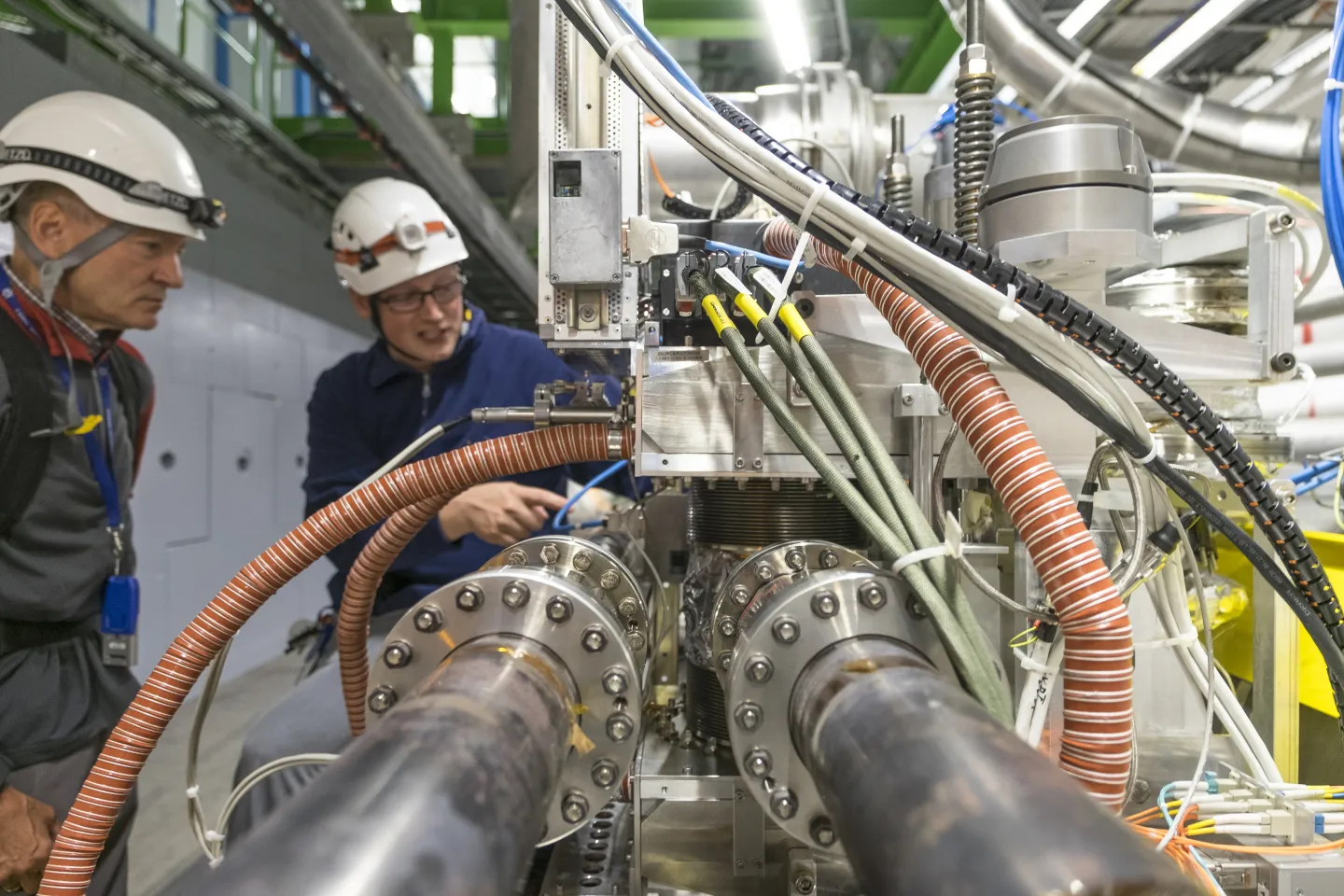
ALPHA experiment takes a closer look at antimatter The ALPHA collaboration at CERN in Geneva has scored another coup on the antimatter front by performing the first-ever spectroscopic measurements of the internal state of the antihydrogen atom. The results were published in www.nature.com/nature/journal/v548/n7665/pdf/nature23446.pdf“>https://www.nature.com/nature/journal/v548/n7665/pdf/nature23446.pdf“>Nature earlier this year in August. Their measurement showed the hyperfine splitting of
-
Interview with Kip Thorne
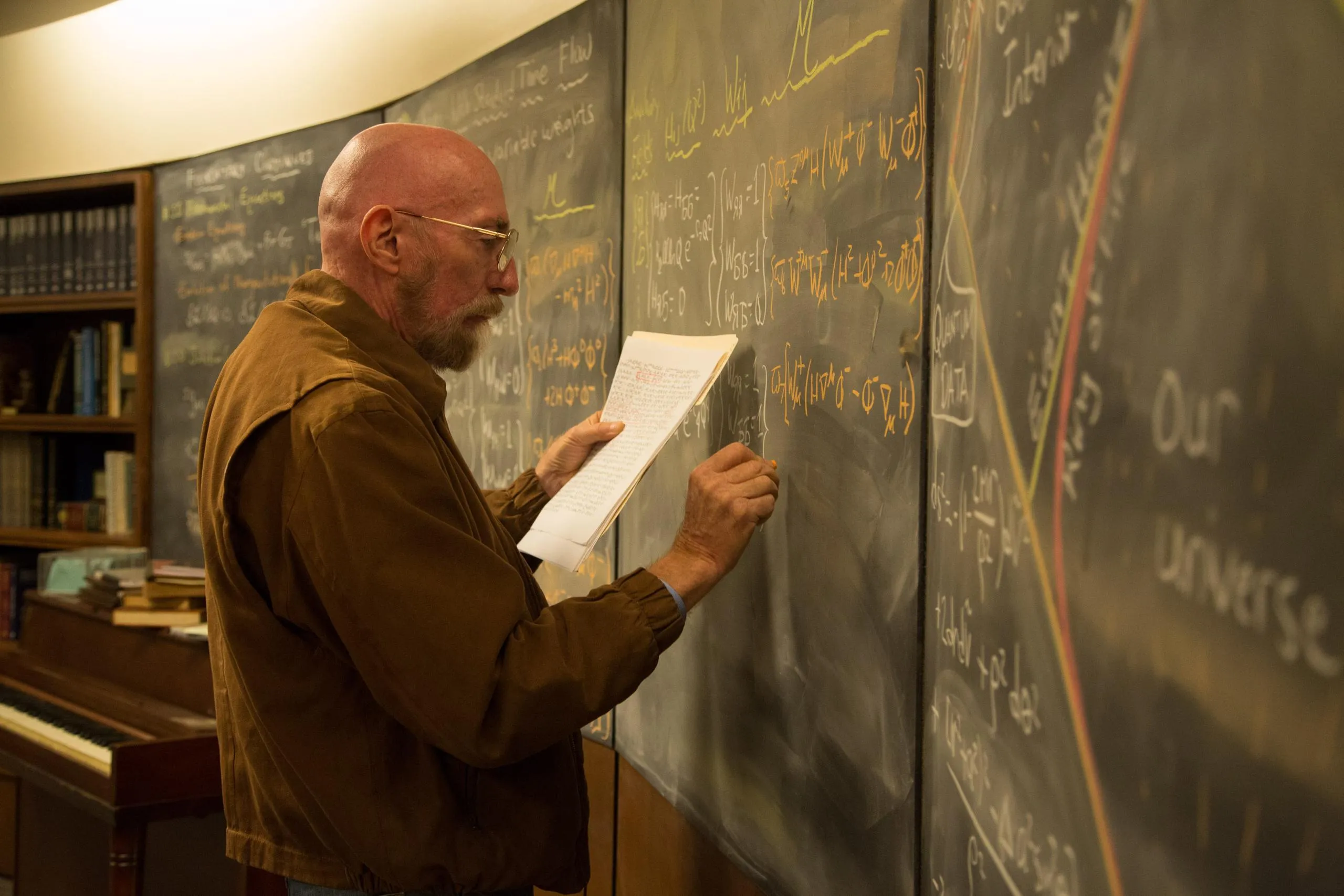
Interview with Kip Thorne Kip Thorne is one of the leading physicists working on Einstein's theory of relativity today. He has pioneered the scientific investigation of black holes in the universe. He was one of the founders of the LIGO project to detect gravitational waves and he has been one of the international team of
-
Superconducting Magnets for Particle Detectors
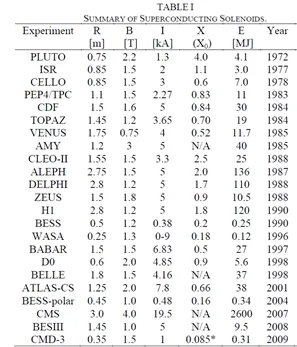
Superconducting Magnets for Particle Detectors BROKEN IMAGE NOT MOVED (drupal url : https://ep-news.web.cern.ch//content/superconducting-magnets-particle-detectors) Experimental particle physics at the energy frontier has been performed with colliding beam accelerators and particle detectors. Superconducting magnets for these detectors and for physics experiments including astroparticle physics have much advanced in the past years based on advancements in superconductivity. In
-
Summer Students 2017: looking back to a unique summer experience
Summer Students 2017: looking back to a unique summer experience BROKEN IMAGE NOT MOVED (drupal url : https://ep-news.web.cern.ch//content/summer-students-2017-looking-back-unique-summer-experience) The 2017 summer student programme has been another rich edition with 340 students from 90 countries coming to CERN for a unique summer experience like nowhere else on earth. Students have the opportunity to attend lectures, workshops,