
Category: Newsletter
-
FCC-hh baseline layout and parameter set
FCC-hh baseline layout and parameter set The core of the Future Circular Collider (FCC) project is a hadron collider called “FCC-hh” which aims at colliding proton beams with a centre of mass energy of 100 TeV – more than seven times the energy that can be reached in the LHC. BROKEN IMAGE NOT MOVED (drupal
-
End of year activities in SFT group
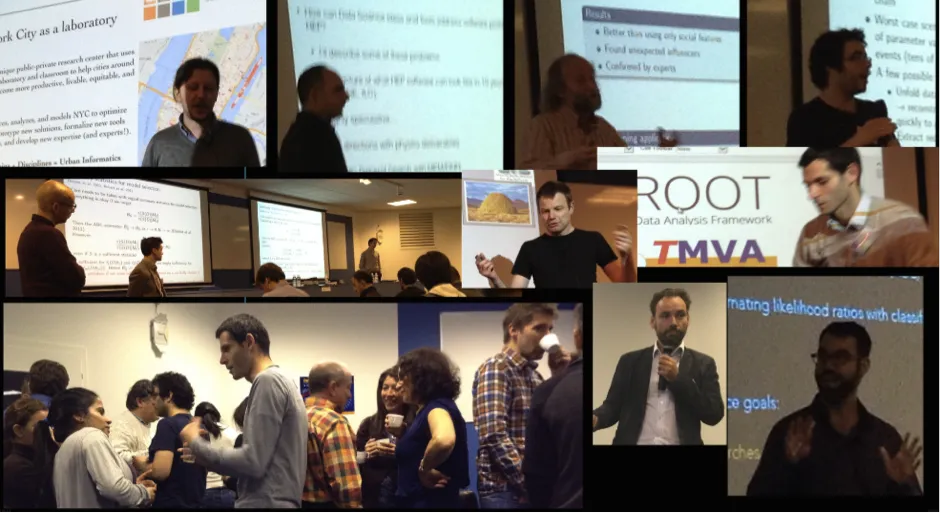
End of year activities in SFT group The end of year is traditionally the time when SFT makes new releases of our main software products. It is a very busy time with everyone working energetically to meet various deadlines. All last minute changes and fixes need to be integrated and run through extensive checks to
-

The Straw Detector in the NA62 Experiment
The Straw Detector in the NA62 Experiment The NA62 experiment is the successor of a previous kaon decay experiment (NA48) operated in the same experimental area at the CERN SPS (see Fig.1). In December 2008, the CERN Research Board has authorized the collaboration to build new detectors, which are tailored to measure the very rare
-
Exit protons, enter ions
Exit protons, enter ions The 2015 LHC proton run, the first after the long shutdown 1, ended last week with a good performance of the LHC given the challenges of running at the new collision energy of 13 TeV. The new energy regime brought up several issues such as increased electron-cloud effects at high beam
-
A new energy frontier for heavy ions
A new energy frontier for heavy ions Although they lack the fundamental significance of the constants of Nature, powers of 10 have symbolic importance in human culture. Attaining the age of 100 years is rare enough to be celebrated in many ways around the world. We regularly mark the 100th anniversaries of historical events. A
-
SPSC goes plasma surfing
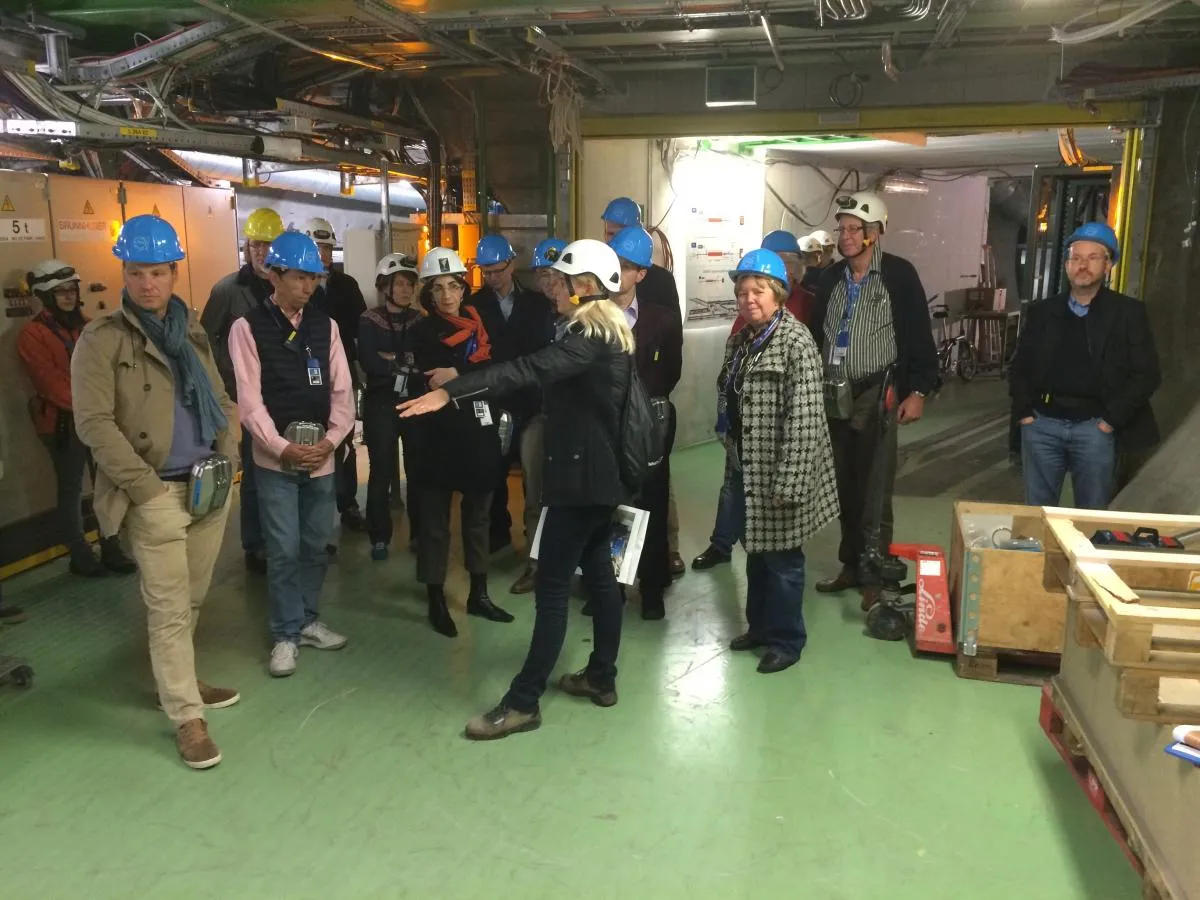
SPSC goes plasma surfing On 21 October 2015, the SPS and PS Experiments Committee (SPSC) has visited the experimental area of the Advanced Proton-Driven Plasma Wakefield Acceleration Experiment AWAKE. Plasma Wakefield acceleration is a rapidly developing field which appears to be a promising candidate technology for future high-energy accelerators. The AWAKE experiment has the the
-
New Safety Officer for the PH department
New Safety Officer for the PH department BROKEN IMAGE NOT MOVED (drupal url : https://ep-news.web.cern.ch//content/new-safety-officer-ph-department) Olga Beltramello is the new Departmental Safety Officer of the PH department replacing Mark Hatch who will be joining the LHCb technical team. Following a successfull career as ATLAS Group Leader in Matter Of Safety, Olga took over her new
-
CERN Computer Security: Abuse, Blunder and Fun
CERN Computer Security: Abuse, Blunder and Fun This presentation gives a non-technical review of computer security incidents which affected CERN over the last years in multiple ways: user accounts and passwords, web sites, computing clusters, reputation, operation, etc. Everyone working with computers on a daily basis, as users, as programmers and software developers, as system
-

Editorial November 2015
Editorial November 2015 Dear Colleagues, In the aftermath of the shocking attacks in Paris last week, it is important that ordinary life should continue, while everyone remains vigilant. There may well be increased security at the borders and when entering the CERN site, which I hope we can all accept with good grace. In this
-
A boost for ISOLDE’s beams
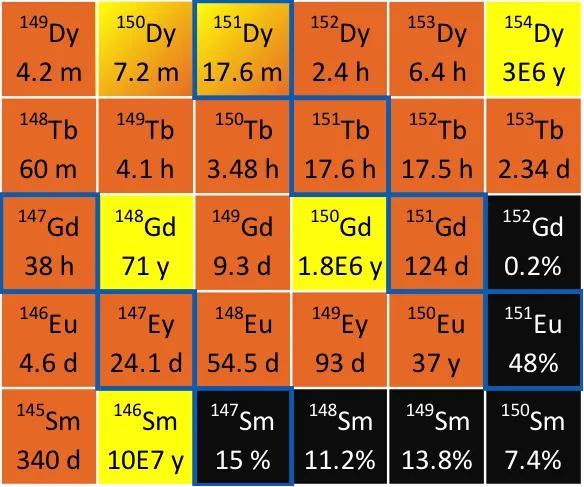
A boost for ISOLDE's beams The new HIE-ISOLDE accelerator is up and running, increasing the beam energy of ISOLDE, CERN’s nuclear physics facility. Over the last few weeks, CERN’s nuclear physics facility, ISOLDE (http://home.web.cern.ch/about/experiments/isolde), has been producing ion beams at higher energies. The first cryomodule of the new HIE-ISOLDE (High-Intensity and Energy ISOLDE) accelerator is