
Tag: ESE
-
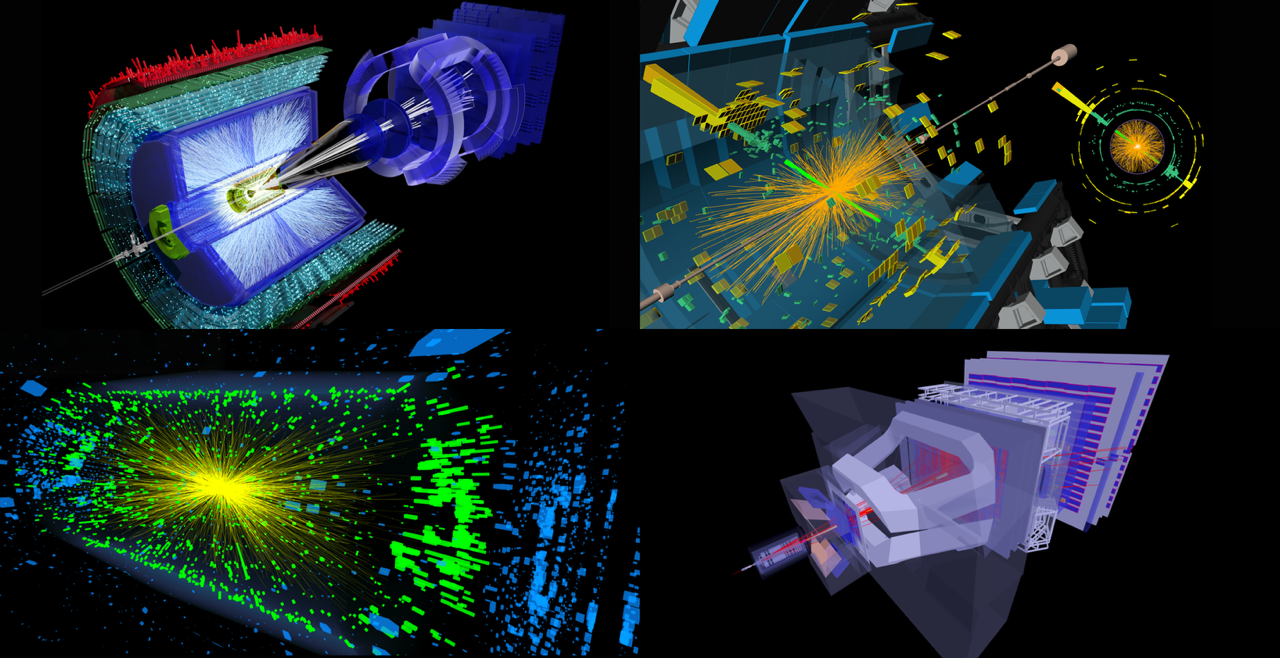
From Run 3 to the next generation: following the transformation of the LHC experiments
From dismantling detector components to installing new technologies, the transition from Run 3 to the next generation of LHC experiments is a major scientific and engineering undertaking. We follow the teams behind this transformation, exploring the challenges inside the experimental caverns and the expertise across CERN’s EP Department that helps turn ambitious upgrade plans into…
-

New Staff Members and Fellows – Autumn 2026
New Staff Members and Fellows – Autumn 2026 Christian Appelt Hello, I’m Christian. I’ve joined EP-ATL-SO as a Research Fellow. I completed professional training as an electronics technician, worked in industry for 5 years, and studied electrical engineering (BEng) and physics (BSc, MSc, PhD). I’ve worked at several research institutes; in ATLAS, I’ve been involved in and am leading long-lived particle searches, the production
-
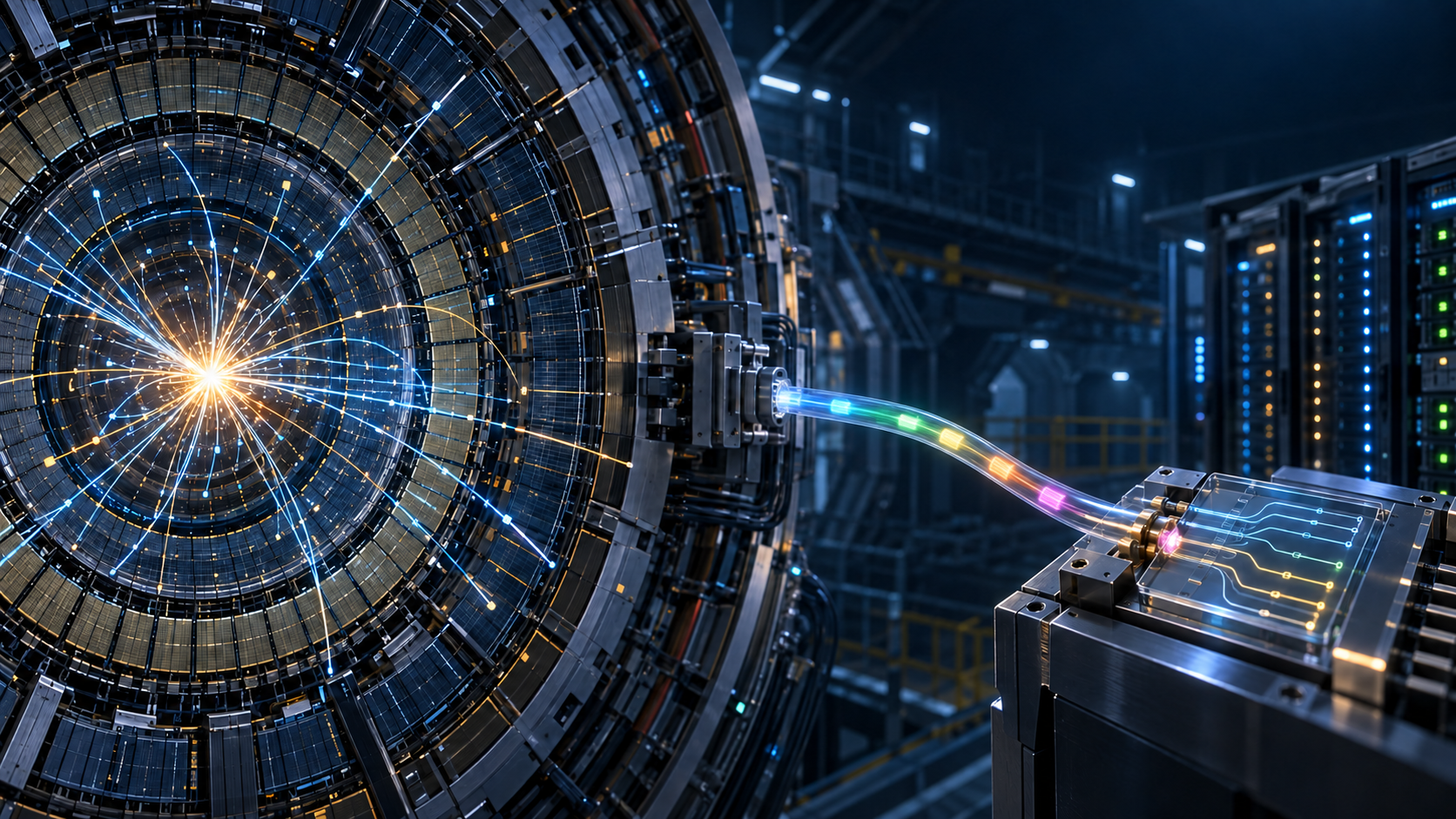
A Hundred Gigabits per Fibre: Silicon Photonics Links for the Detectors of Tomorrow
The High-Speed Links Work Package (WP6) of the EP R&D programme is developing the radiation-tolerant, high-bandwidth optical links needed for future particle detectors. Combining custom ASICs, Silicon Photonics and FPGA-based back-end systems, the team is now moving towards integrated demonstrations in an experimental context.
-
Bundling Forces for Future Online Computing: Introducing the CDO Projec
Discover the Control Acquisition and Online Computing (CDO) Project, an initiative of the Experimental Physics Department that brings together diverse expertise, ideas and perspectives to strengthen collaboration across the community.
-
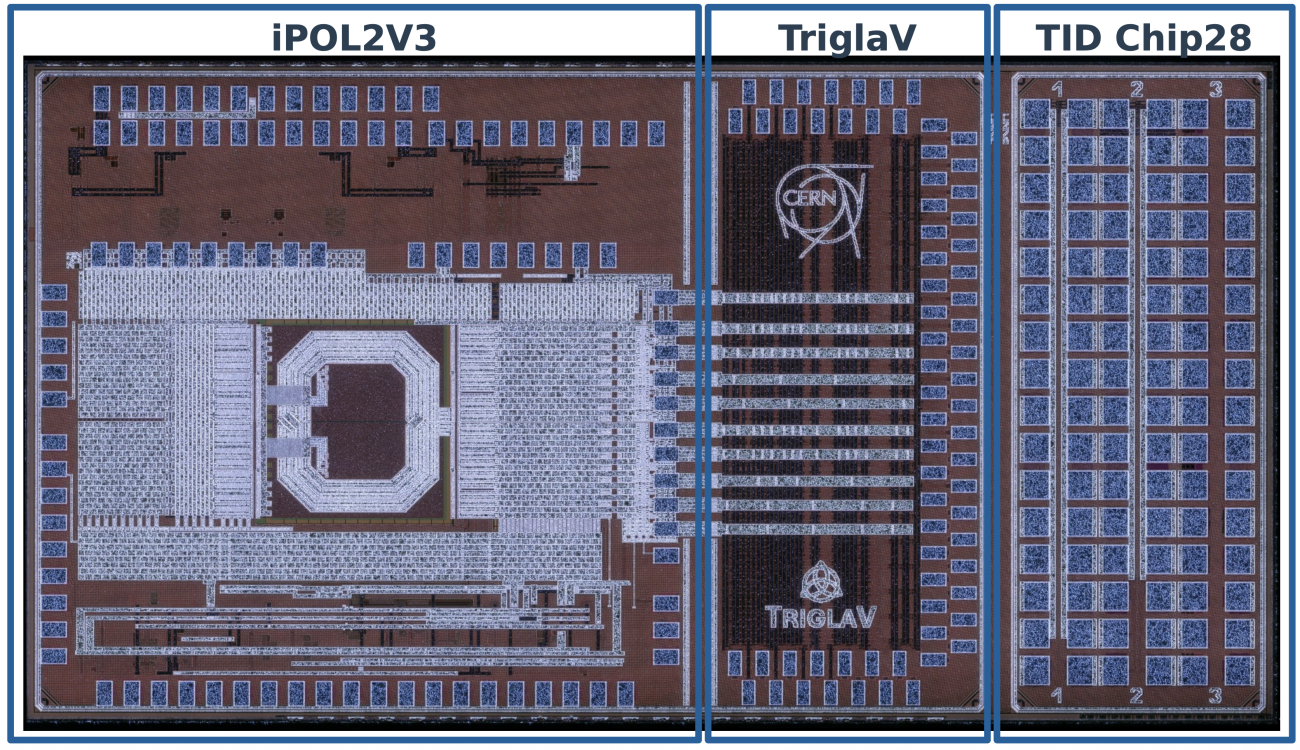
Building a Microelectronics Foundation for Tomorrow’s Detectors
Building a Microelectronics Foundation for Tomorrow’s Detectors The challenge: smarter chips in harsher places Particle physics detectors have always pushed electronics to their limits. The next generation of tracking systems and calorimeters will depend critically on dense, intelligent, low power and radiation-hard microelectronics: front-end ASICs that can survive for decades in harsh environments, having their
-

New Staff Members and Fellows
New Staff Members and Fellows Maximilian Babeluk Hi, I’m Max. I recently joined the ALICE ITS3 team, where I work on sensor testing, functional verification, and in the future also chip design – particularly on MOSAIX. My main activities include testing and yield assessment across multiple integration levels (wafer probing to system tests), including data
-

White Rabbit: Revolution of Timing Distribution for HL-LHC experiments
White Rabbit: Revolution of Timing Distribution for HL-LHC experiments As CERN prepares for HL-LHC, fine timing is becoming a critical factor for success, especially for detectors aiming to time-tag hits to a precision of tens of picoseconds. For decades, the good old Timing, Trigger, and Control (TTC) backbone has fulfilled the role of distributing timing
-
CWDM Link: A High-Bandwidth Optical Upgrade for LHC Beam Instrumentation
CWDM Link: A High-Bandwidth Optical Upgrade for LHC Beam Instrumentation The Versatile Link project[1] was initially developed to provide a point-to-point radiation-hardened optical link common to most CERN experiments which upgraded during Long Shutdown 2 (LS2). The Beam Instrumentation group (SY-BI) also adopted it as backbone of the SPS beam instrumentation (BI) front-end electronics upgrade[2],
-
Probing Noise Sensitivity in FBCM: From ASIC Design to EMC Testing Teaser:
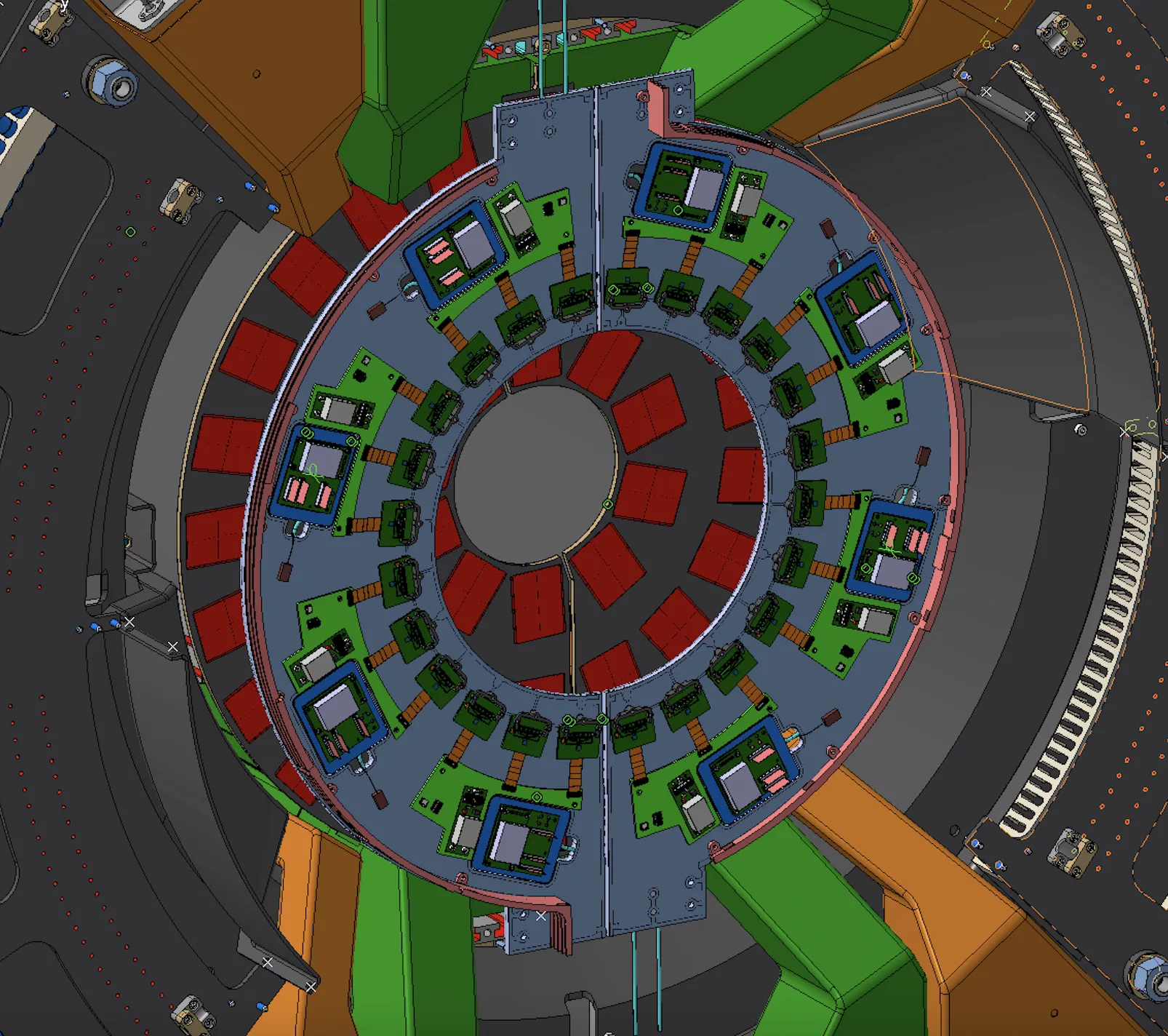
Probing Noise Sensitivity in FBCM: From ASIC Design to EMC Testing Teaser: Sketch of the FBCM location behind the last disk of the inner tracker (left) and a zoom to the two FBCM half discs forming a ring around the beam pipe with a detailed representation of the components on each service quadrant (right). The
-
Silicon Photonics Circuits for Integrated Optical Readout of future High Energy Physics detectors
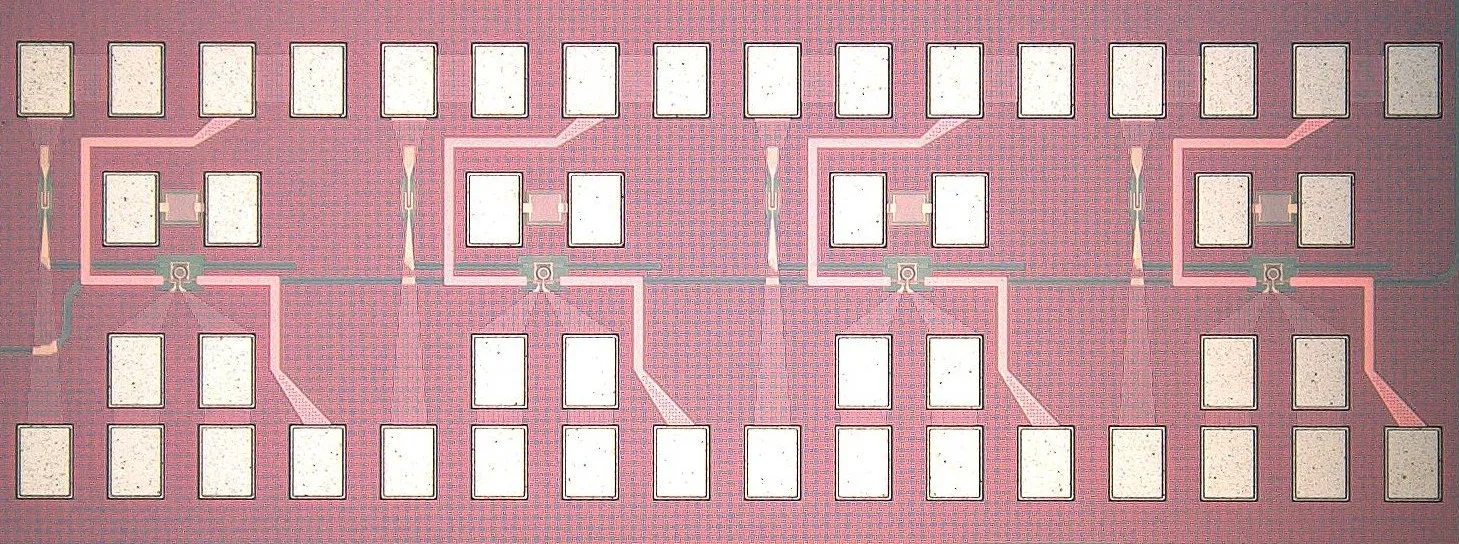
Silicon Photonics Circuits for Integrated Optical Readout of future High Energy Physics detectors Fibre optic links are crucial in High Energy Physics (HEP) experiments, allowing the transmission of large volumes of data from particle detectors operating in harsh radiation environments to radiation-free zones. Silicon Photonics (SiPh) [1] has emerged as a promising optoelectronic technology for