
Tag: detector upgrade
-
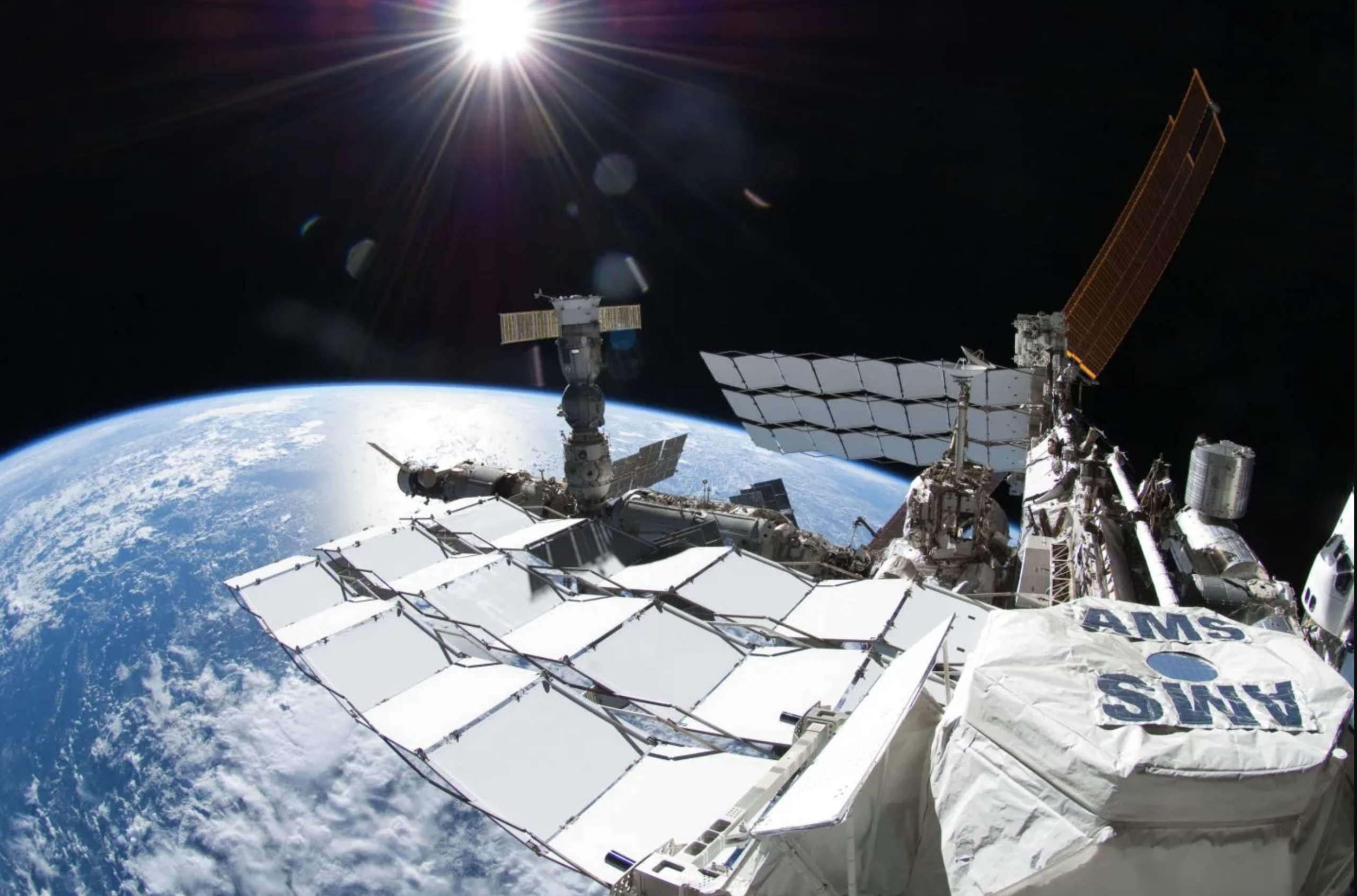
Investigating the origin of elements with the AMS on the International Space Station
Drawing on 15 years of observations and more than 260 billion cosmic-ray events, the Alpha Magnetic Spectrometer is helping scientists investigate how elements are produced and propagate through our Galaxy. Its latest measurements of phosphorus, chlorine, argon, potassium and calcium reveal distinct patterns among primary and secondary cosmic-ray nuclei, contributing to a more comprehensive model…
-
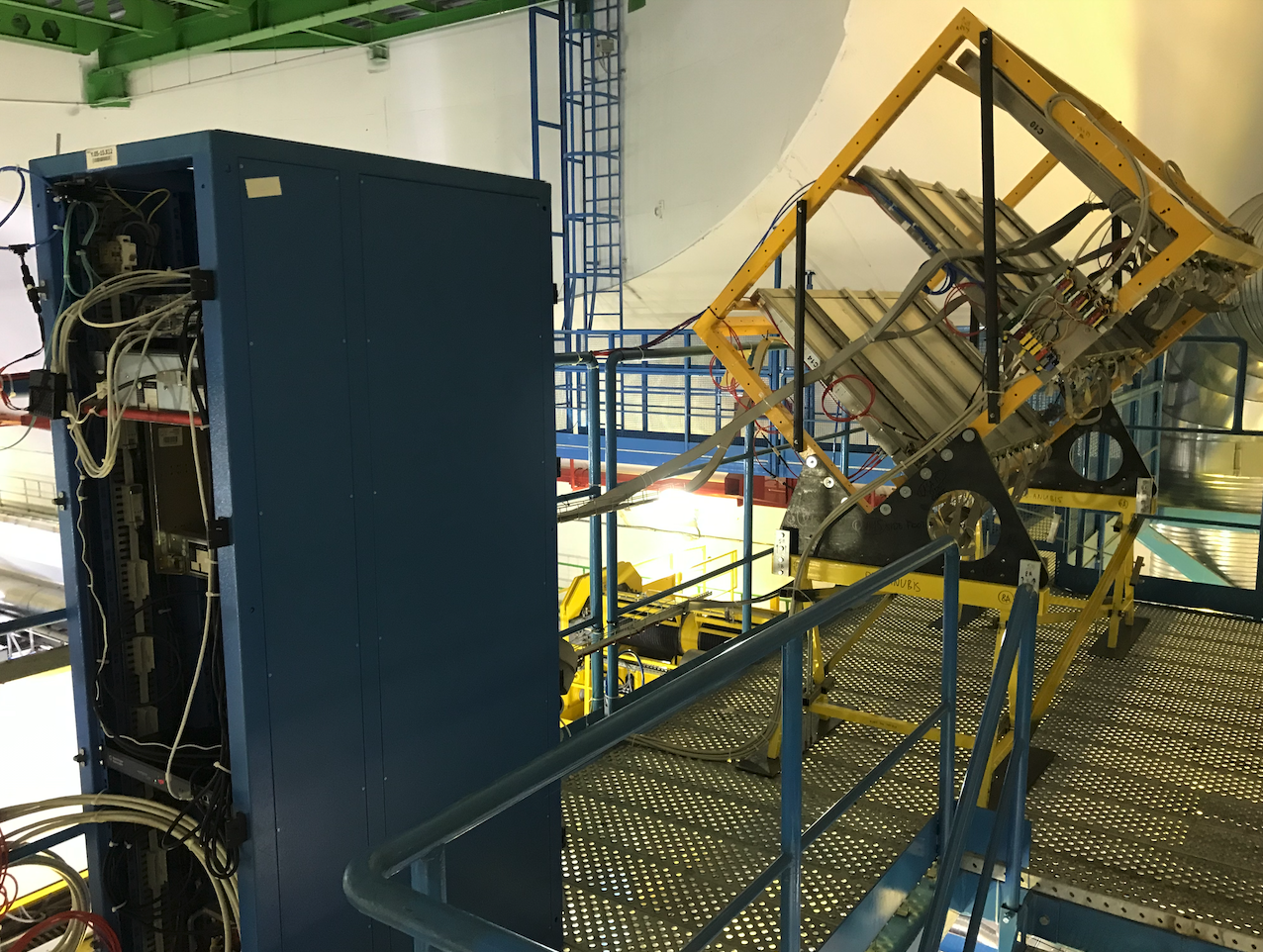
ANUBIS: from prototype to Letter of Intent
The proANUBIS demonstrator has completed data taking in the ATLAS cavern, showing that its detector technology delivers the efficiency and timing precision required to search for long-lived particles. These results strengthen the case for the full ANUBIS experiment, which would extend ATLAS’s reach into a largely unexplored region of new physics.
-
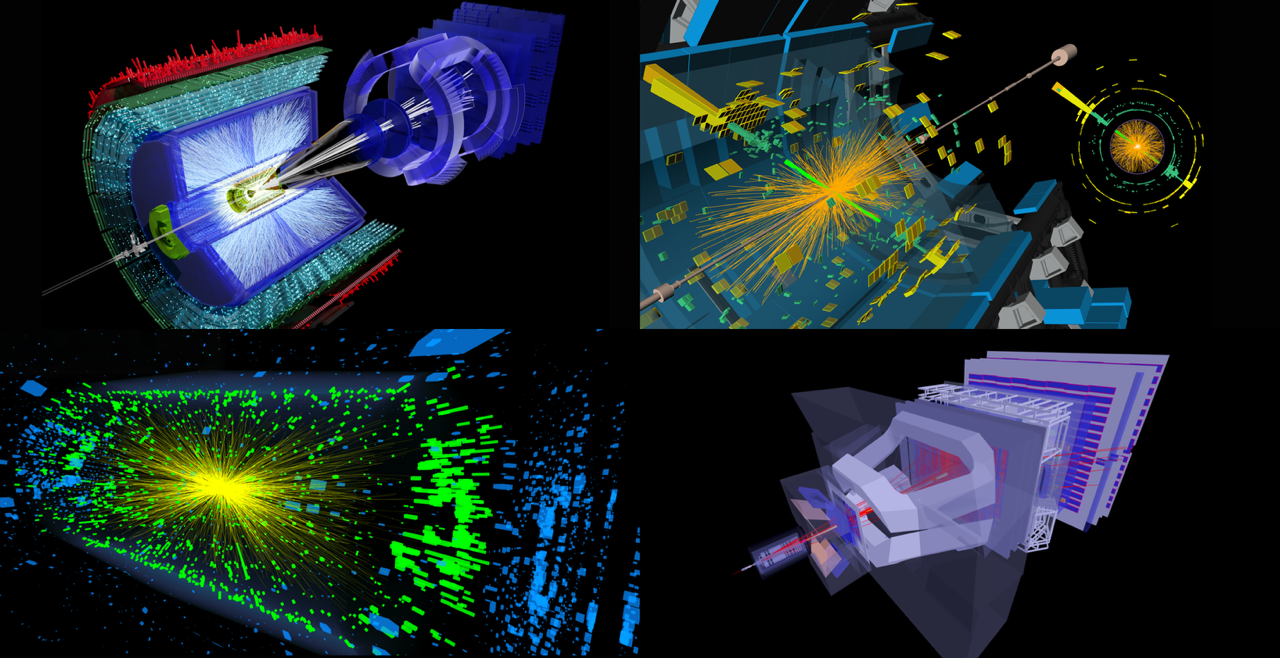
From Run 3 to the next generation: following the transformation of the LHC experiments
From dismantling detector components to installing new technologies, the transition from Run 3 to the next generation of LHC experiments is a major scientific and engineering undertaking. We follow the teams behind this transformation, exploring the challenges inside the experimental caverns and the expertise across CERN’s EP Department that helps turn ambitious upgrade plans into…
-

New Staff Members and Fellows – Autumn 2026
New Staff Members and Fellows – Autumn 2026 Christian Appelt Hello, I’m Christian. I’ve joined EP-ATL-SO as a Research Fellow. I completed professional training as an electronics technician, worked in industry for 5 years, and studied electrical engineering (BEng) and physics (BSc, MSc, PhD). I’ve worked at several research institutes; in ATLAS, I’ve been involved in and am leading long-lived particle searches, the production
-
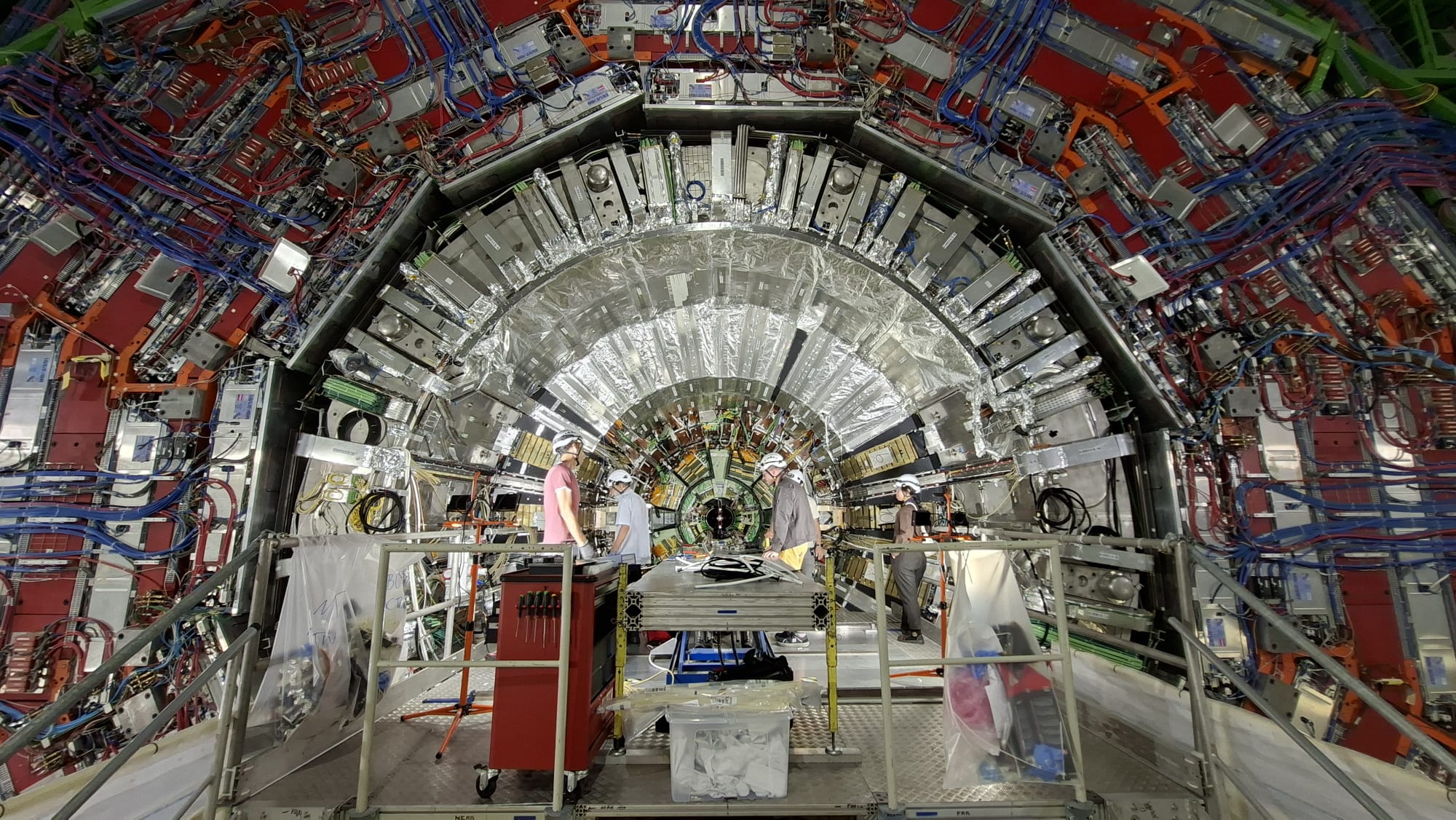
Inside CMS’s LS3 decommissioning challenge
CMS has begun one of the most demanding interventions in its history: the carefully planned removal of around 600 m³ of legacy services. Empty racks and cable trays now reveal the first stage of the detector’s transformation for the High-Luminosity LHC.
-
From beam dumps to missing energy: the SPS search for hidden particles
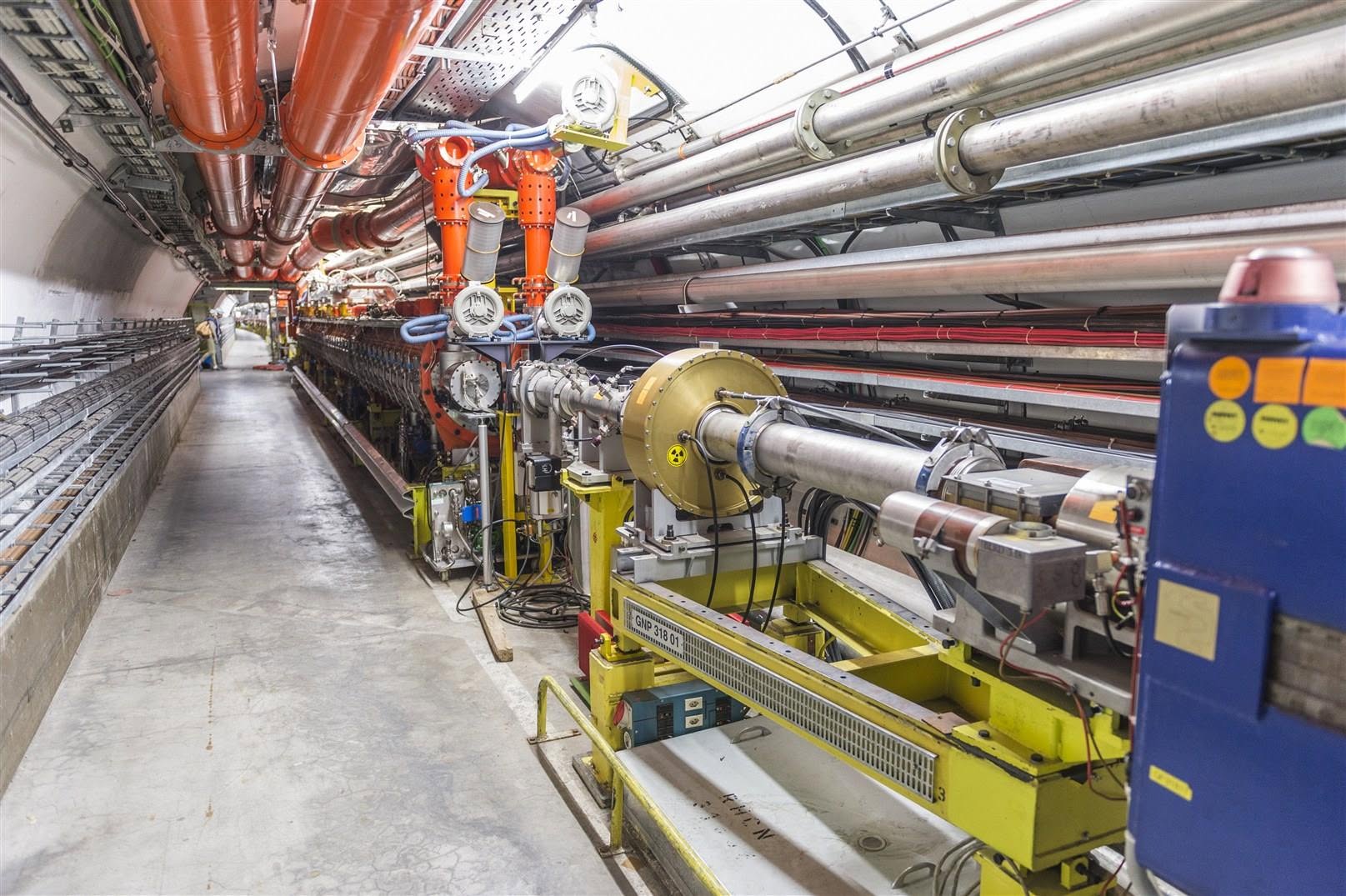
For more than four decades, CERN’s Super Proton Synchrotron has served as a testing ground for new ways to search for particles that interact only feebly with ordinary matter. In a recent lecture, NA64 co-spokesperson Paolo Crivelli traced the evolution of this programme – from the first beam-dump experiments to missing-energy and missing-momentum searches, precision…
-
Building a Microelectronics Foundation for Tomorrow’s Detectors
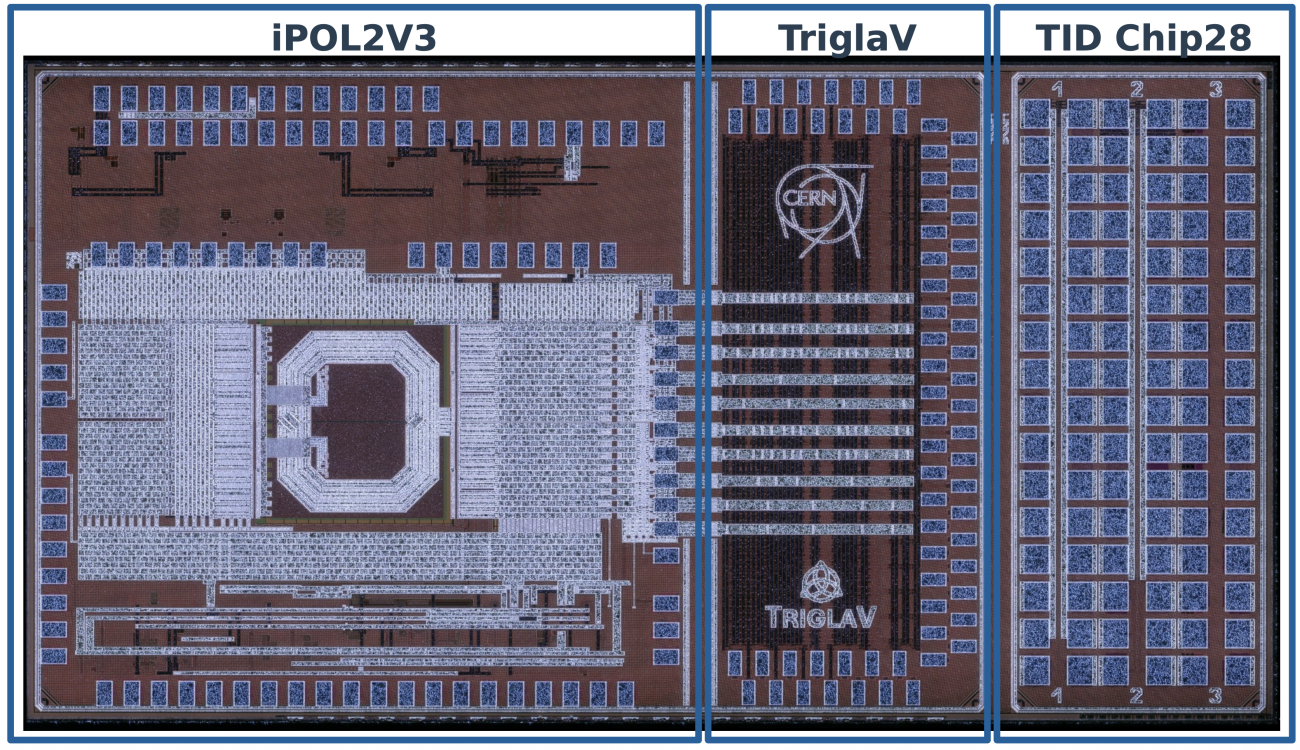
Building a Microelectronics Foundation for Tomorrow’s Detectors The challenge: smarter chips in harsher places Particle physics detectors have always pushed electronics to their limits. The next generation of tracking systems and calorimeters will depend critically on dense, intelligent, low power and radiation-hard microelectronics: front-end ASICs that can survive for decades in harsh environments, having their
-

New Staff Members and Fellows
New Staff Members and Fellows Maximilian Babeluk Hi, I’m Max. I recently joined the ALICE ITS3 team, where I work on sensor testing, functional verification, and in the future also chip design – particularly on MOSAIX. My main activities include testing and yield assessment across multiple integration levels (wafer probing to system tests), including data
-
The GEMs of CMS
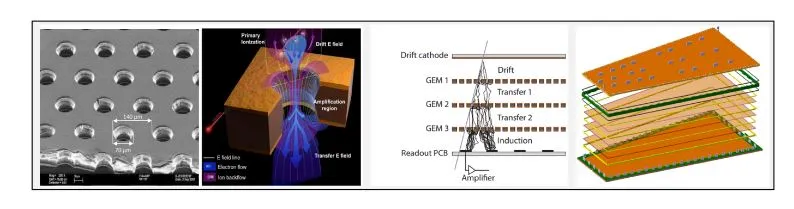
The GEMs of CMS To prepare for the higher collision energy and luminosity of the subsequent running period of the LHC significant improvements are ongoing in the CMS detector. One of the planned upgrades is the installation of large-area GEM detectors in the forward muon region. Following an extensive R&D program since 2009, Triple GEM