
Category: Newsletter
-

First positrons for GBAR
First positrons for GBAR BROKEN IMAGE NOT MOVED (drupal url : https://ep-news.web.cern.ch//content/first-positrons-gbar) At the CERN Antimatter Factory, antihydrogen atoms are produced routinely by merging antiprotons and positrons. In order to control this process, it is necessary to reduce the energy of those particles, i.e. decelerate them to the lowest possible energies. The antiprotons are generated
-
New paradigms for the CMS Phase-2 Upgrades
New paradigms for the CMS Phase-2 Upgrades The CMS Phase-2 Upgrade projects will replace or improve detector systems to provide the necessary physics performance under the challenging conditions of high luminosity at the HL-LHC. Installation of the upgraded detector systems starts in LS2 and is planned to be completed in LS3, presently scheduled for 2024
-
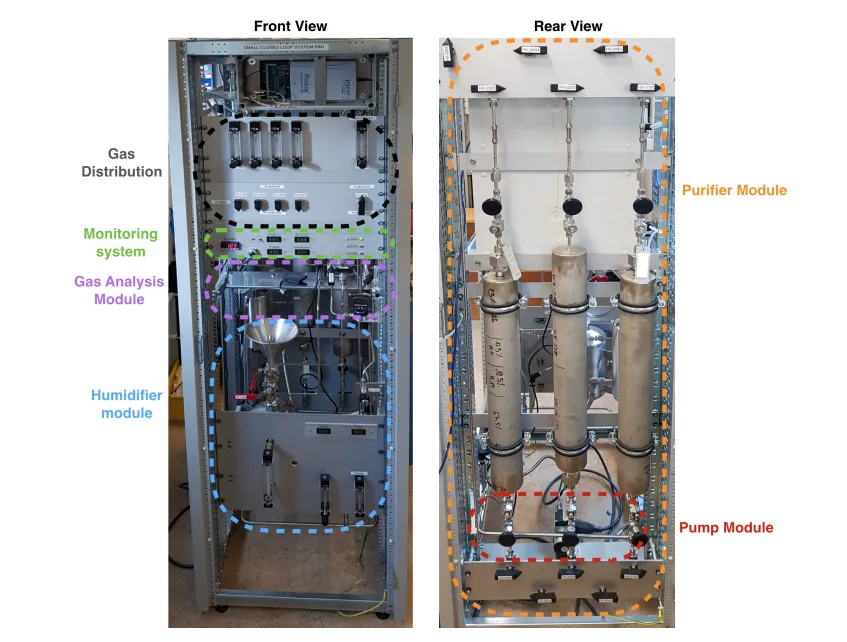
A portable gas system for particle detectors.
A portable gas system for particle detectors. Today, about 30 gas systems are used to deliver the right gas mixture to the corresponding gaseous detectors at the LHC experiments. The detector gas mixture is the sensitive medium where the charge multiplication produces the signal that is then recorded and analysed. The correct and stable gas
-
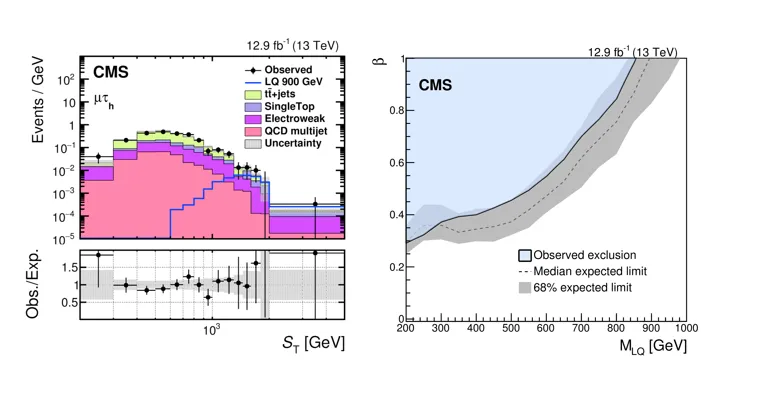
Searching for leptoquarks at the LHC
Searching for leptoquarks at the LHC Last month, Admir Greljo (University of Mainz) and Abdollah Mohammad (Kansas State University, US) during the Collider Cross Talk, gave a comprehensive overview of the theoretical and experimental aspects in leptoquarks searches. Leptoquarks are hypothetical particles that can turn quarks into leptons and vice versa and they can be
-
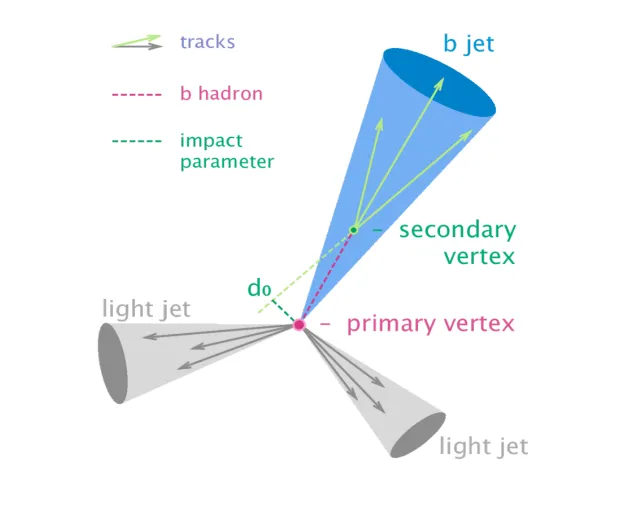
Deep learning and the quest for new physics at the LHC
Deep learning and the quest for new physics at the LHC With massive amounts of computational power, machines can now recognize objects and translate speech in real time. Deep-learning software attempts to mimic the activity in layers of neurons in the neocortex, the wrinkly 80 percent of the brain where thinking occurs. The software learns,
-
Designing Utopia – An Ultralow Picoammeter
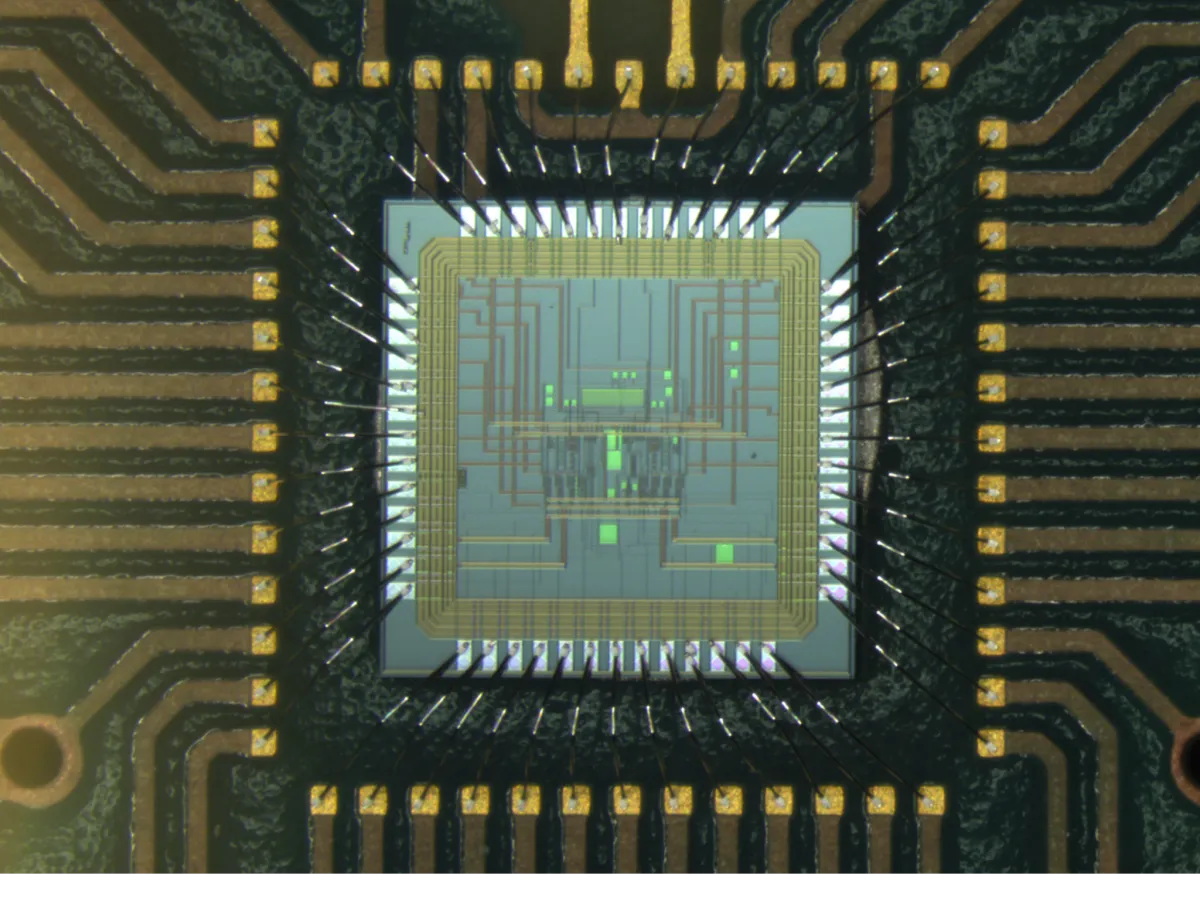
Designing Utopia – An Ultralow Picoammeter There are various applications where the output of a sensor is a low current. In some cases like in ionizing radiation measurements, device characterization, leakage current measurements and biosensing instrumentation, the current that has to be measured can be as low as few femtoamperes. However, designing a measuring digitizer
-
A successful heavy-ion campaign for ALICE
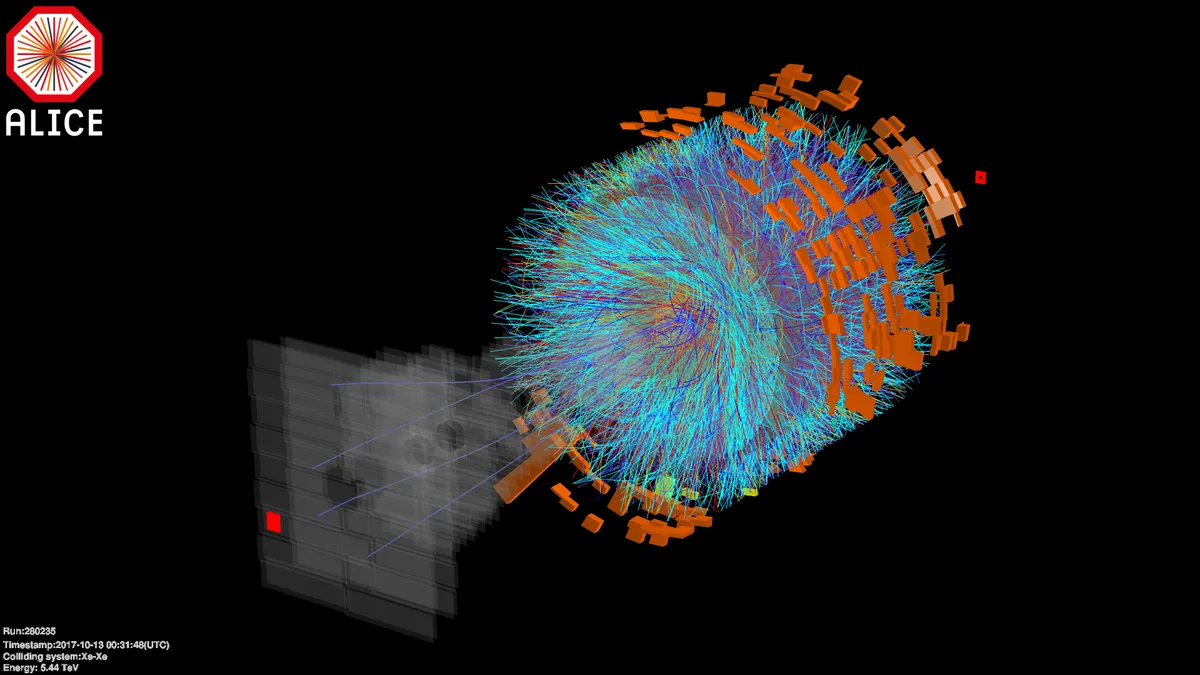
A successful heavy-ion campaign for ALICE The LHC stopped its 2017 operation at the beginning of December and the experiments have already started their plan of intervention for the end-of-year break. The last two weeks of data taking have been particularly important for ALICE, since a special run requested by our experiment took place. Proton-proton
-
HEP Software Foundation Community White Paper looks forward to the HL-LHC
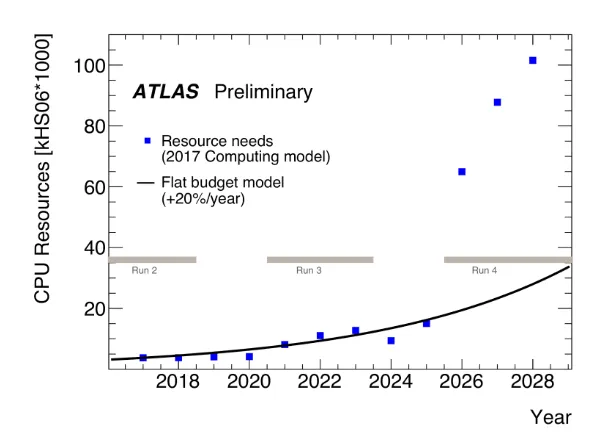
HEP Software Foundation Community White Paper looks forward to the HL-LHC The High Luminosity LHC programme not only pushes the frontiers of accelerator and detector technology, but it also brings enormous challenges to the software and computing that is used to turn high luminosity data into physics. The scale of the problem is huge –
-
A word from the Head of the EP department – December 2017
A word from the Head of the EP department – December 2017 Dear Colleagues, dear Members of the EP Department and CERN Users, Welcome to this year’s last EP newsletter. 2017 was a fantastic year for CERN. The LHC machine broke every record, from an achieved peak luminosity of twice the design value to an
-
MEDICIS: a new CERN facility can help medical research into cancer
MEDICIS: a new CERN facility can help medical research into cancer BROKEN IMAGE NOT MOVED (drupal url : https://ep-news.web.cern.ch//content/medicis-new-cern-facility-can-help-medical-research-cancer) Last week, the new CERN-MEDICIS facility has produced radioisotopes for medical research for the first time. MEDICIS (Medical Isotopes Collected from ISOLDE) aims to provide a wide range of radioisotopes, some of which can be produced