
Tag: ALICE
-
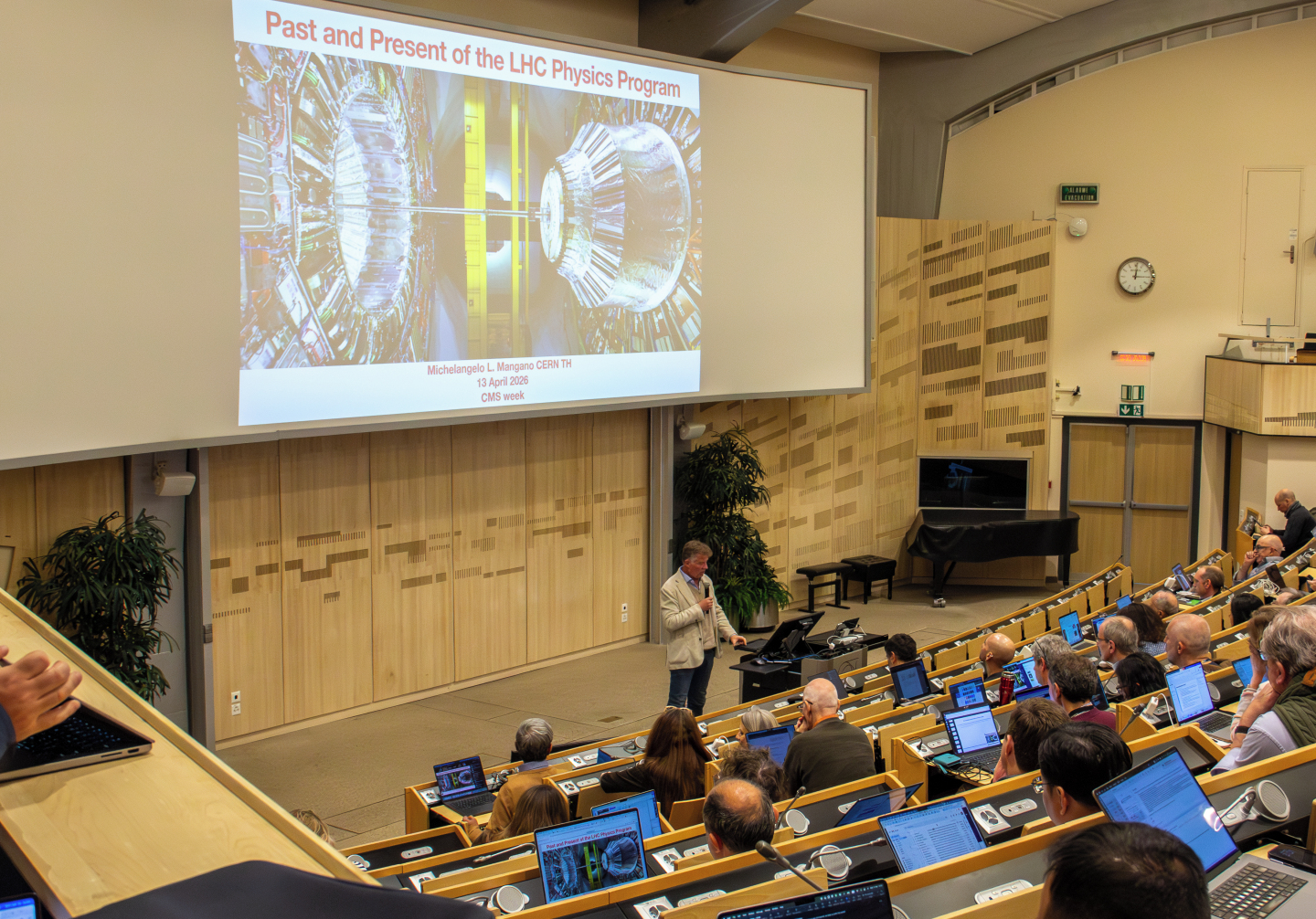
Past and Present of the LHC Physics Programme: A Viewpoint
Before the LHC began operations, expectations were immense. It was not perceived simply as CERN’s next machine after LEP, but as “the next machine after everything”—a collider expected to settle how electroweak symmetry is broken.
-
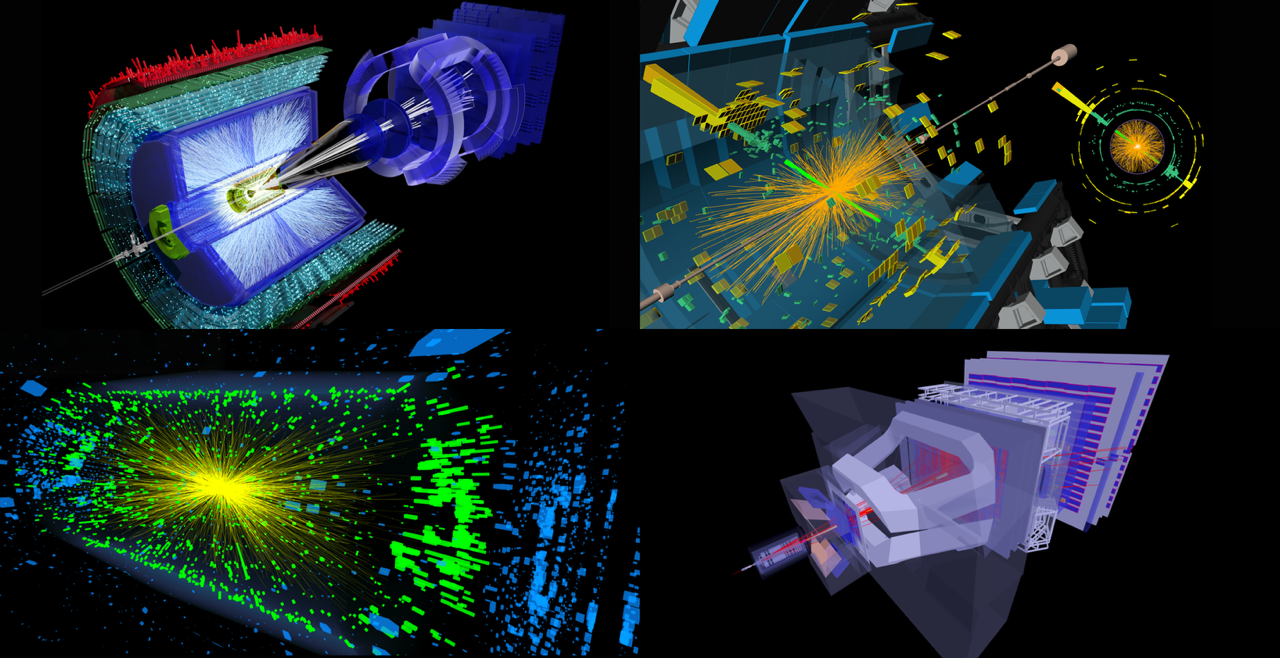
From Run 3 to the next generation: following the transformation of the LHC experiments
From dismantling detector components to installing new technologies, the transition from Run 3 to the next generation of LHC experiments is a major scientific and engineering undertaking. We follow the teams behind this transformation, exploring the challenges inside the experimental caverns and the expertise across CERN’s EP Department that helps turn ambitious upgrade plans into…
-

New Staff Members and Fellows – Autumn 2026
New Staff Members and Fellows – Autumn 2026 Christian Appelt Hello, I’m Christian. I’ve joined EP-ATL-SO as a Research Fellow. I completed professional training as an electronics technician, worked in industry for 5 years, and studied electrical engineering (BEng) and physics (BSc, MSc, PhD). I’ve worked at several research institutes; in ATLAS, I’ve been involved in and am leading long-lived particle searches, the production
-
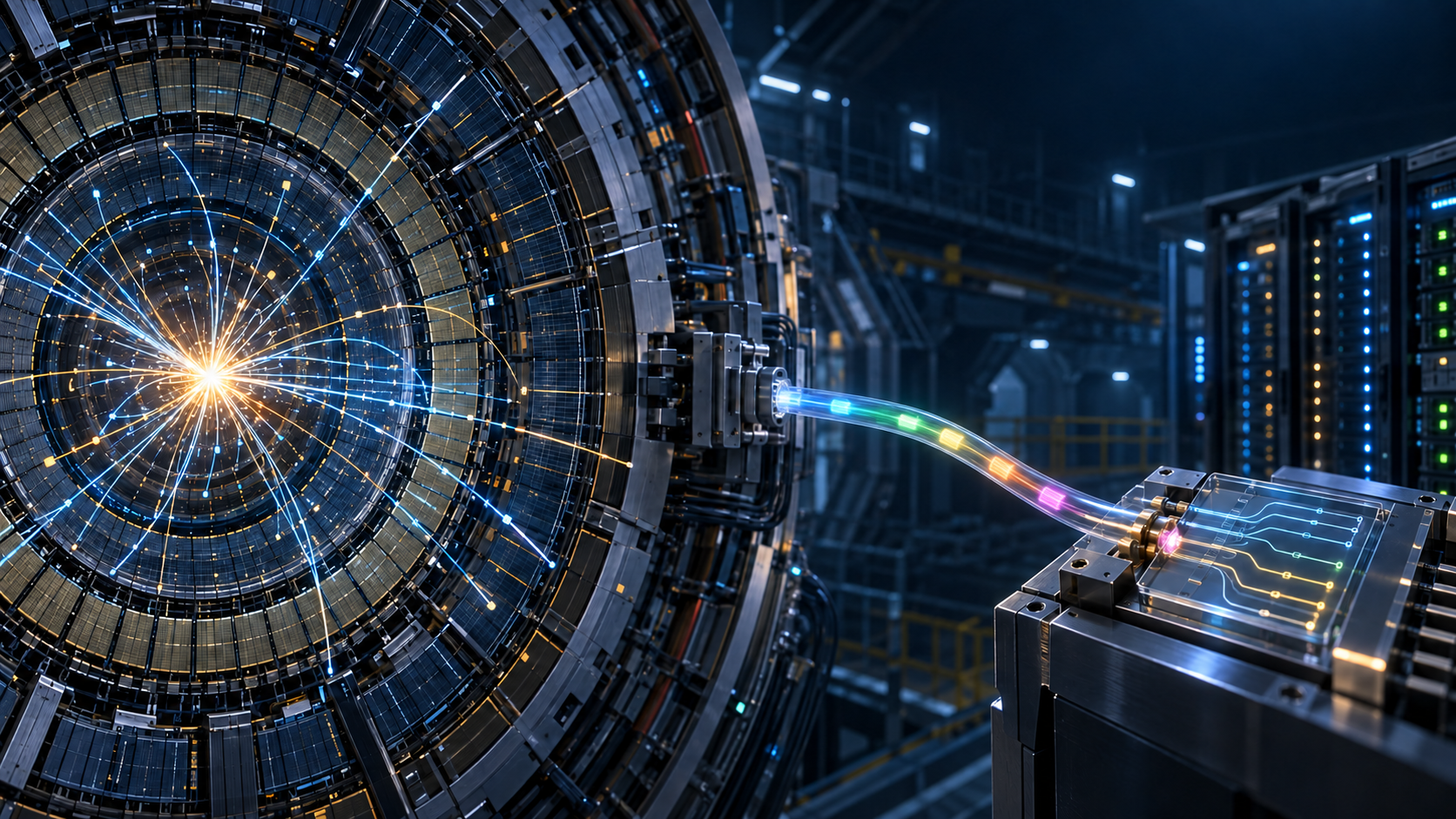
A Hundred Gigabits per Fibre: Silicon Photonics Links for the Detectors of Tomorrow
The High-Speed Links Work Package (WP6) of the EP R&D programme is developing the radiation-tolerant, high-bandwidth optical links needed for future particle detectors. Combining custom ASICs, Silicon Photonics and FPGA-based back-end systems, the team is now moving towards integrated demonstrations in an experimental context.
-
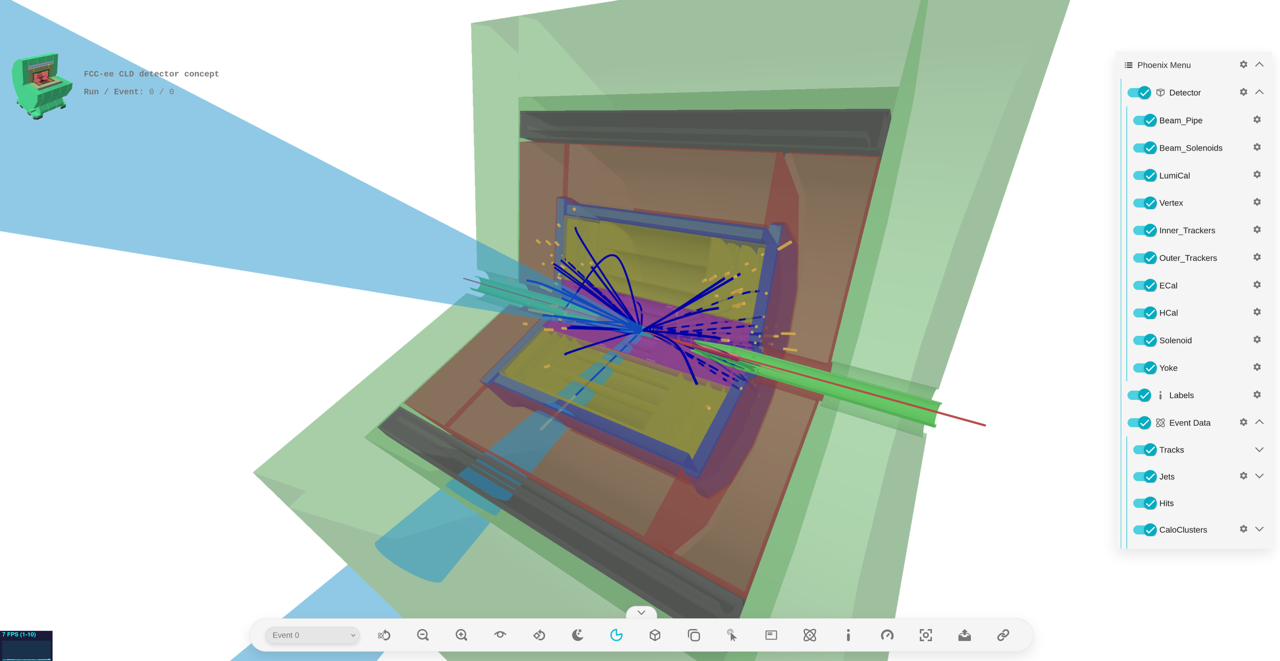
Key4hep: A software framework for future collider studies
Key4hep brings future-collider communities together around a shared software framework for detector design and physics studies. By integrating tools for event generation, simulation, reconstruction and analysis, it reduces duplication, facilitates comparisons and allows each project to adapt the software to its own detector and scientific goals.
-
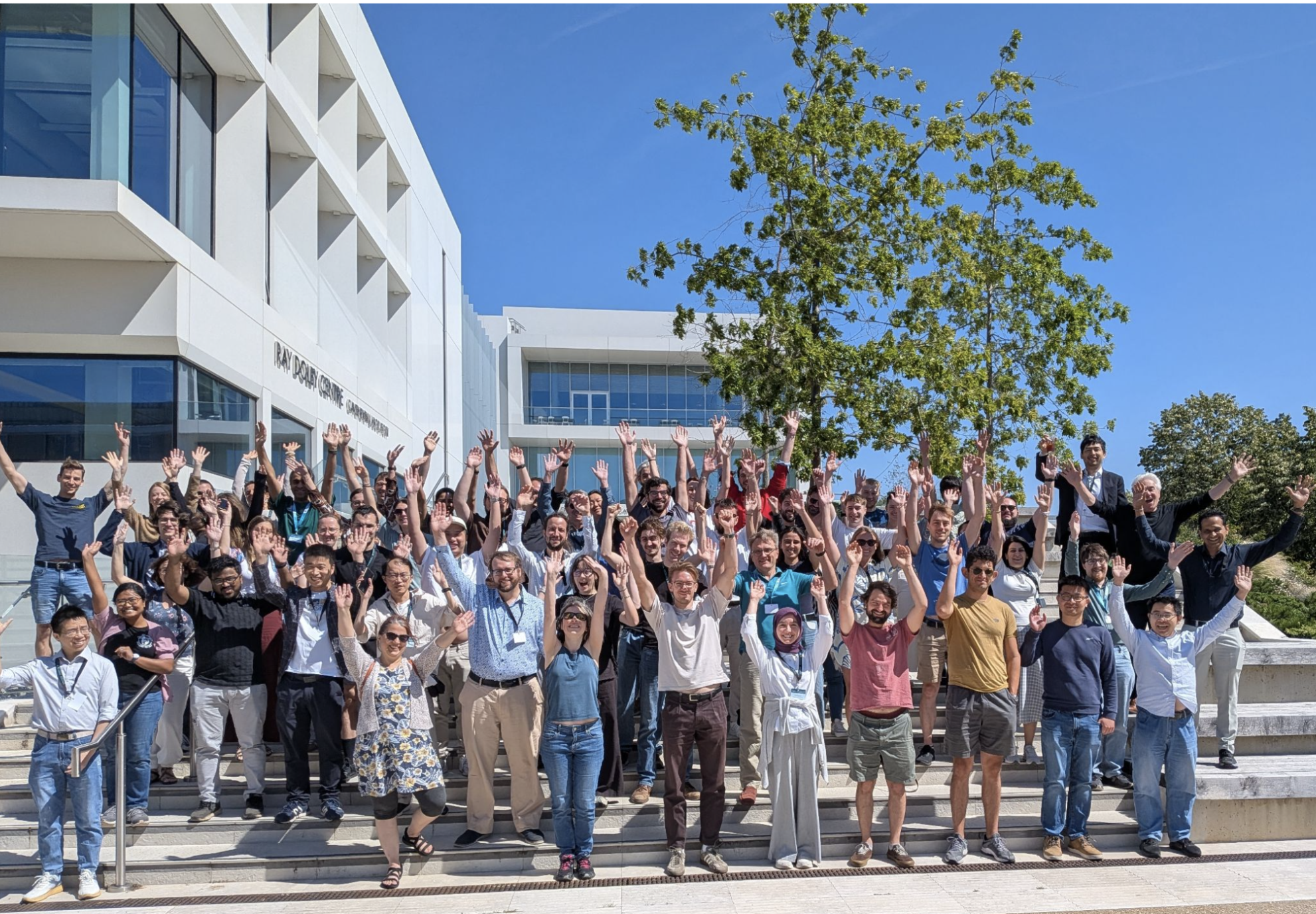
Designing for the unusual: LLP2026 and the lifetime frontier
LLP2026 brought around 80 theorists and experimentalists to Cambridge at a moment of transition for the lifetime frontier. From new searches using Run 3 LHC data and unconventional signatures to prototype detectors and new experimental concepts, the workshop showed how long-recognised blind spots are being turned into concrete experimental capabilities.
-
Bundling Forces for Future Online Computing: Introducing the CDO Projec
Discover the Control Acquisition and Online Computing (CDO) Project, an initiative of the Experimental Physics Department that brings together diverse expertise, ideas and perspectives to strengthen collaboration across the community.
-
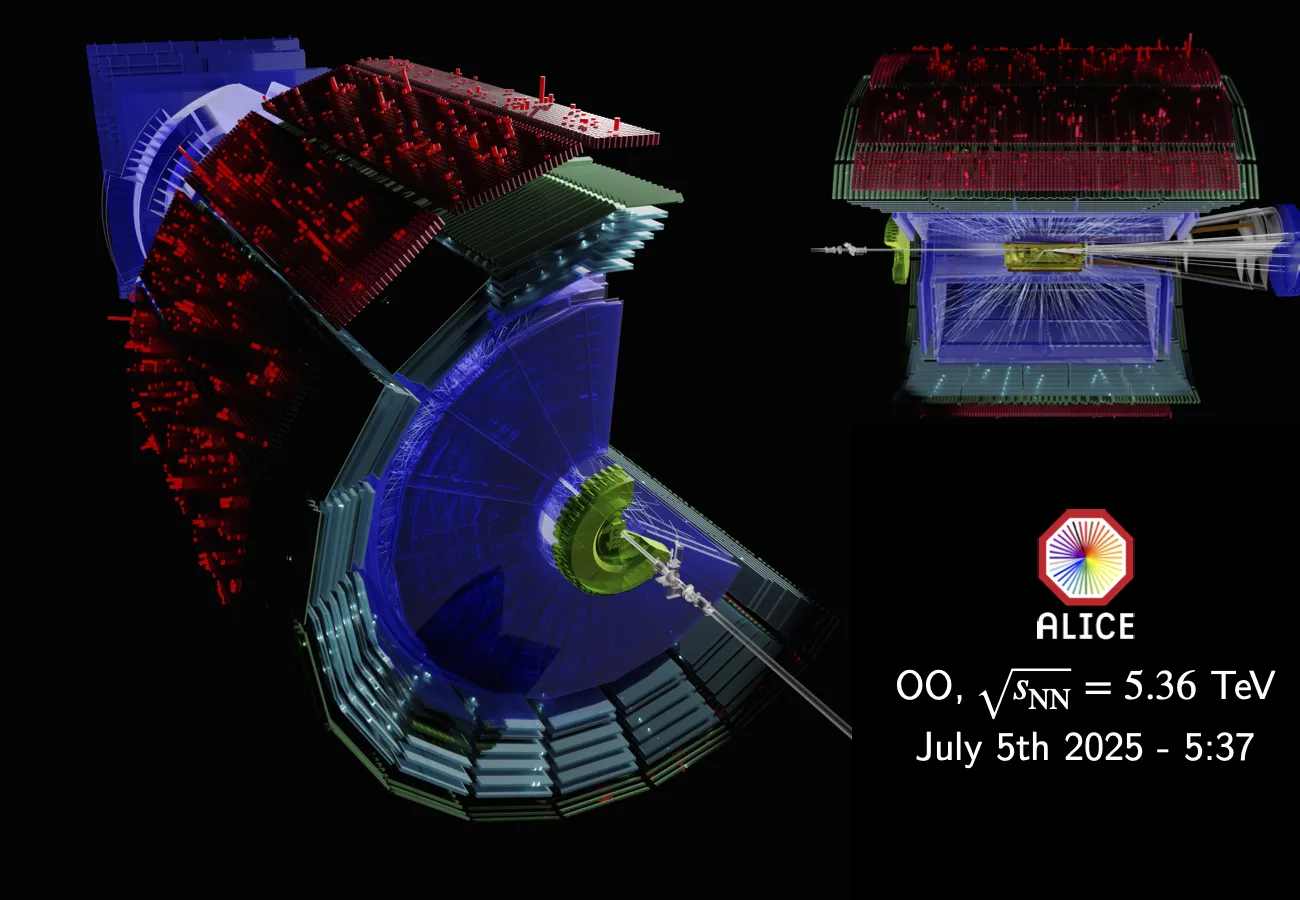
ALICE reveals quark-gluon plasma energy loss in OO collisions
ALICE reveals quark-gluon plasma energy loss in OO collisions A new state of matter Colliding heavy ions, such as lead, at nearly the speed of light in the LHC allows the creation of a new state of matter called the quark-gluon plasma (QGP). This near-perfect liquid of quarks and gluons is created because the extreme
-
EP R&D Day 2026: technologies for the next generation of experiments
EP R&D Day 2026: technologies for the next generation of experiments On 29 April 2026, colleagues from across CERN’s Experimental Physics Department gathered for the annual meeting dedicated to the strategic EP R&D programme on technologies for future experiments. The programme offered a broad update on progress achieved over the past year, bringing together developments
-
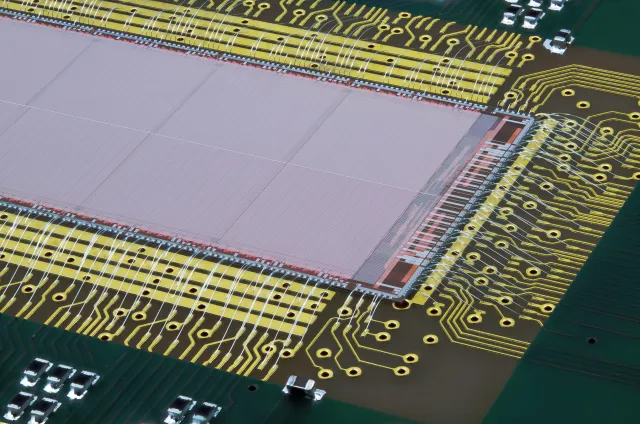
MOSAIX: Designing bent wafer-scale monolithic pixel sensors for the ALICE ITS3 upgrade
MOSAIX: Designing bent wafer-scale monolithic pixel sensors for the ALICE ITS3 upgrade The ALICE detector is preparing a major upgrade to its Inner Tracking System (ITS) during LHC long shutdown 3 (2026-2030). This upgrade, called ITS3, will replace the three innermost tracking layers with three layers of cylindrical, 50 µm thick, 27 cm long, silicon