
Tag: CMS
-
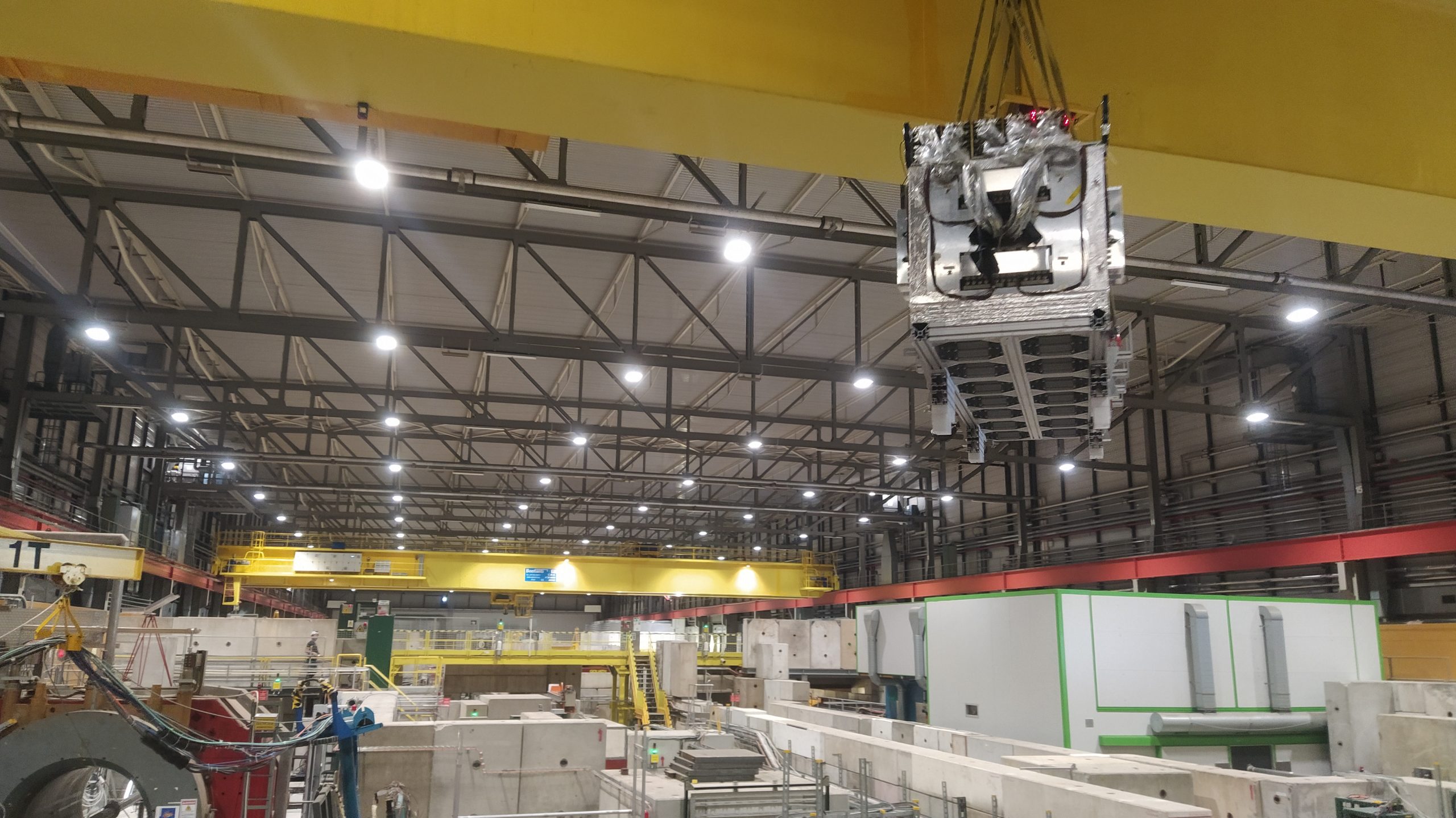
The last beam tests before LS3 boost FCC-ee detector technologies
The last beam tests before LS3 boost FCC-ee detector technologies by Hector Garcia Morales (CERN, FCC-PED group) In one of the last opportunities to test detector prototypes before CERN’s accelerator complex enters Long Shutdown 3, a beam test campaign brought together different teams from across the world to test FCC-ee detector technologies. To date, six
-
A word from the EP Department Head – Autumn 2026
Dear Colleagues, Autumn is transforming nature by giving it new colours, shortening daylight and changing the temperature. Similarly, the start of Long Shutdown 3 has transformed our experimental facilities into busy construction sites. The excitement of data taking has given way to eager teams of technicians, engineers and scientists dismantling, cleaning and refurbishing the areas…
-
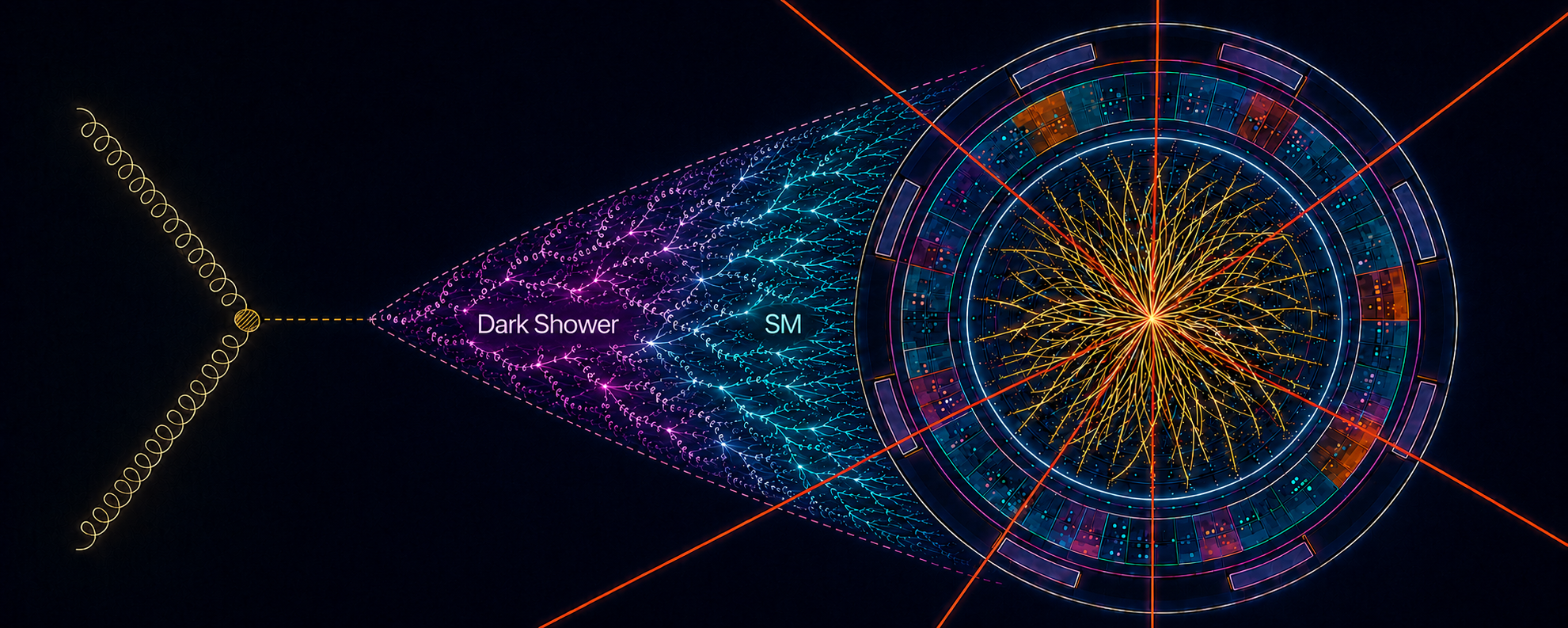
Looking for soft unclustered energy patterns from dark matter in CMS and ATLAS
CMS and ATLAS are exploring unconventional signatures of dark matter at the LHC. New searches target soft unclustered energy patterns—nearly spherical sprays of low-energy particles that can evade conventional detection strategies—and extend sensitivity to previously unexplored regions of the dark sector.
-
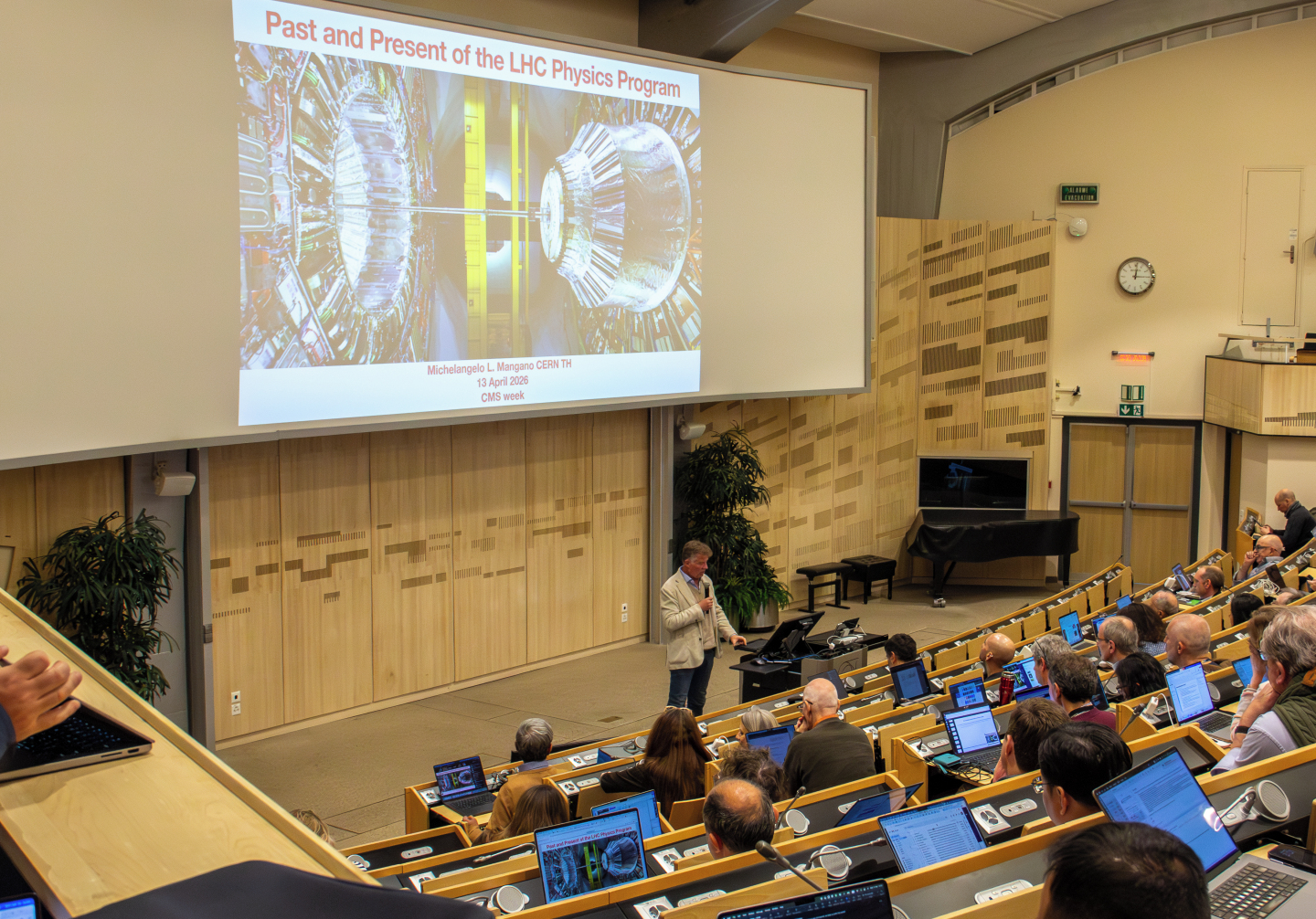
Past and Present of the LHC Physics Programme: A Viewpoint
Before the LHC began operations, expectations were immense. It was not perceived simply as CERN’s next machine after LEP, but as “the next machine after everything”—a collider expected to settle how electroweak symmetry is broken.
-
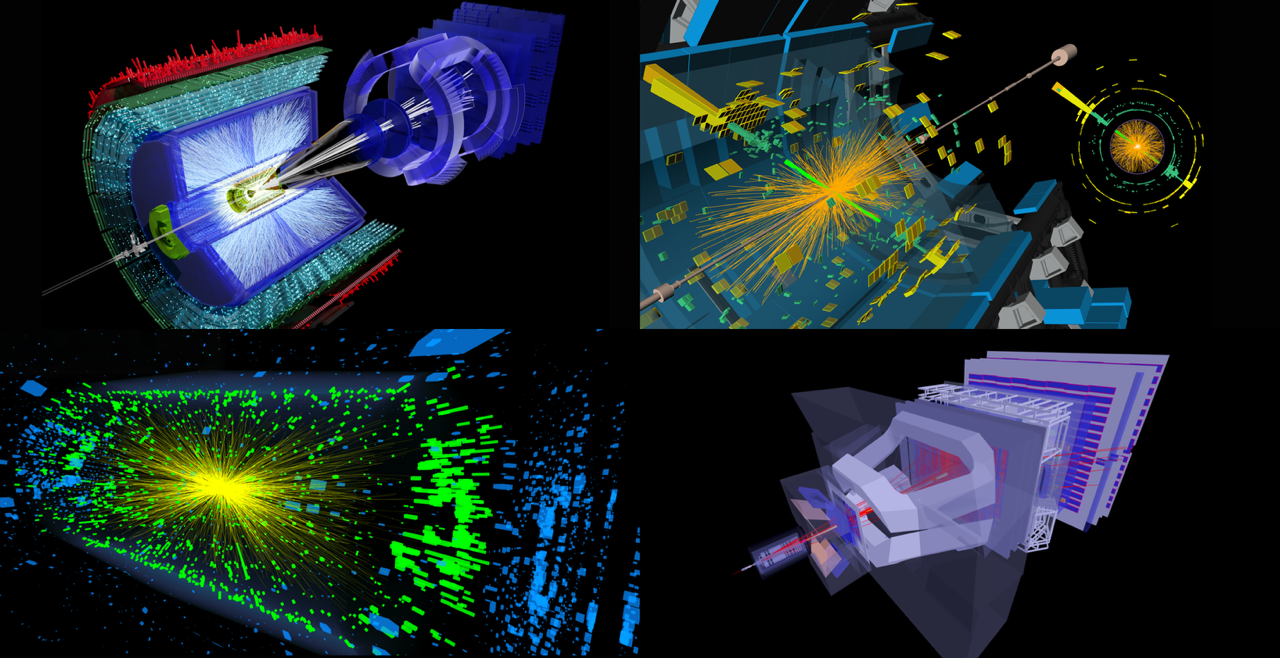
From Run 3 to the next generation: following the transformation of the LHC experiments
From dismantling detector components to installing new technologies, the transition from Run 3 to the next generation of LHC experiments is a major scientific and engineering undertaking. We follow the teams behind this transformation, exploring the challenges inside the experimental caverns and the expertise across CERN’s EP Department that helps turn ambitious upgrade plans into…
-
New Staff Members and Fellows – Autumn 2026
New Staff Members and Fellows – Autumn 2026 Christian Appelt Hello, I’m Christian. I’ve joined EP-ATL-SO as a Research Fellow. I completed professional training as an electronics technician, worked in industry for 5 years, and studied electrical engineering (BEng) and physics (BSc, MSc, PhD). I’ve worked at several research institutes; in ATLAS, I’ve been involved in and am leading long-lived particle searches, the production
-
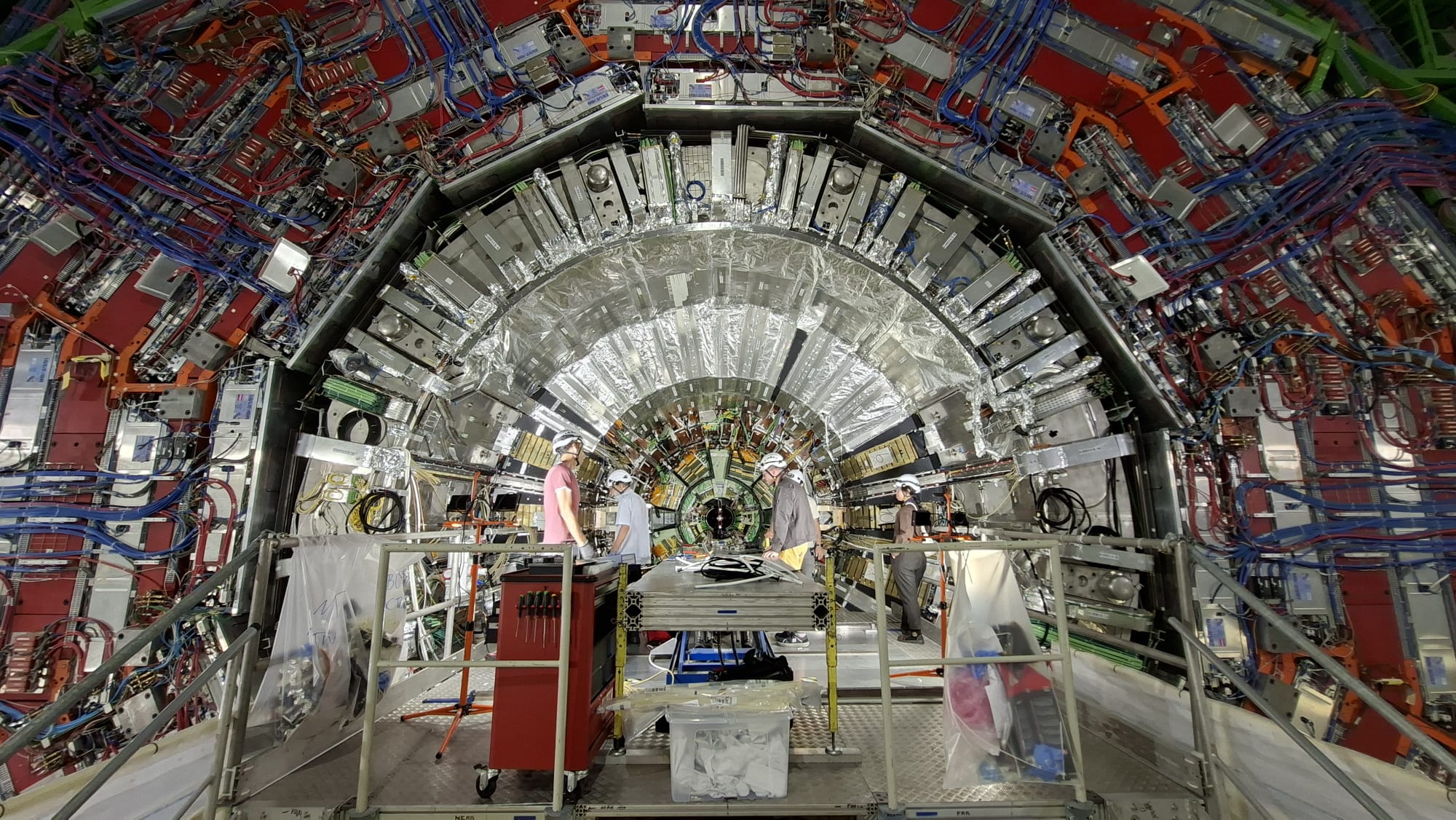
Inside CMS’s LS3 decommissioning challenge
CMS has begun one of the most demanding interventions in its history: the carefully planned removal of around 600 m³ of legacy services. Empty racks and cable trays now reveal the first stage of the detector’s transformation for the High-Luminosity LHC.
-
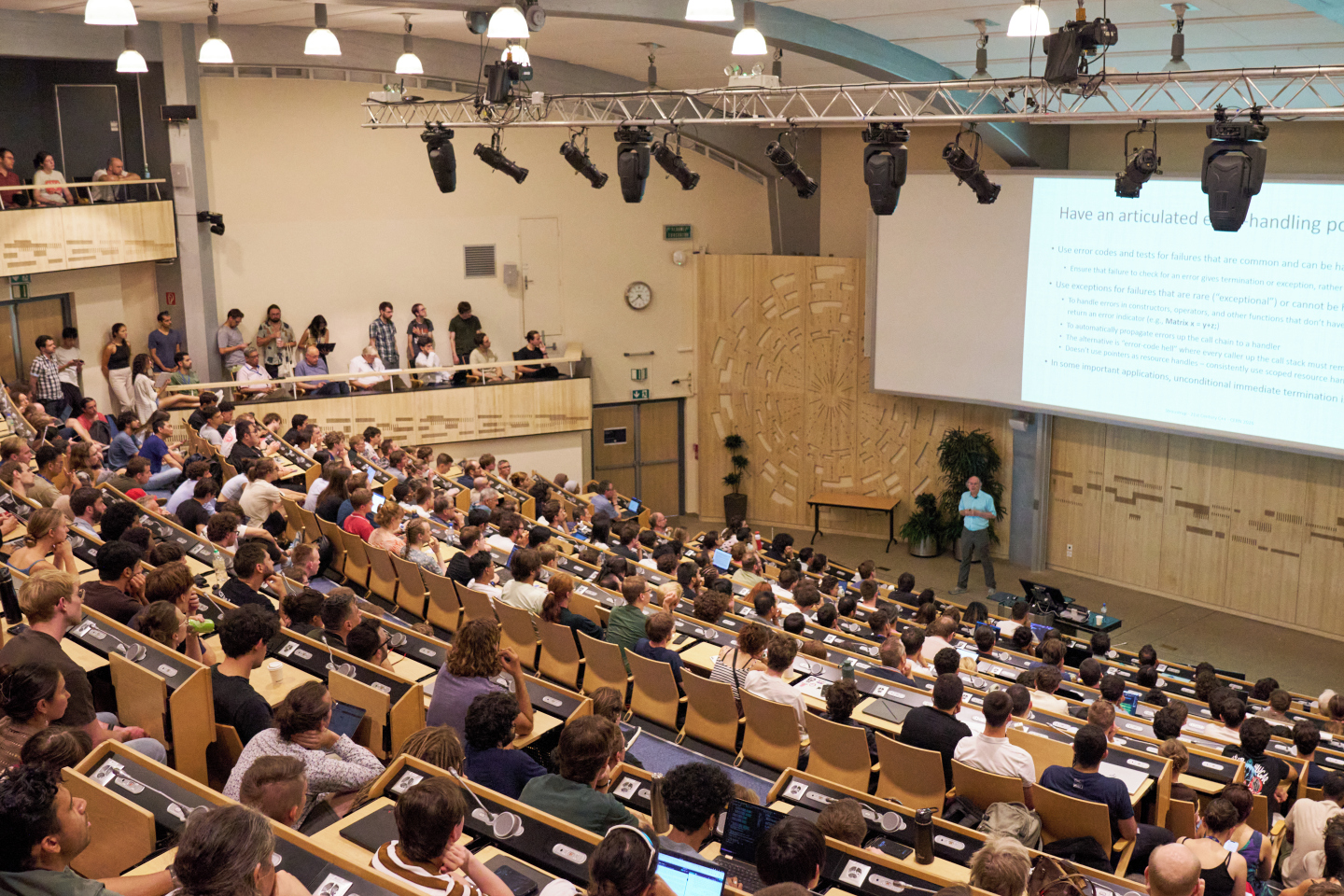
CERN STEAM Academy puts the future of scientific software centre stage
C++ creator Bjarne Stroustrup returned to CERN for a packed STEAM Academy seminar on the future of scientific software. From safer programming and simpler code to new language features and the demands of long-lived research infrastructure, he explored how C++ can continue to evolve alongside the computing challenges of modern science.
-
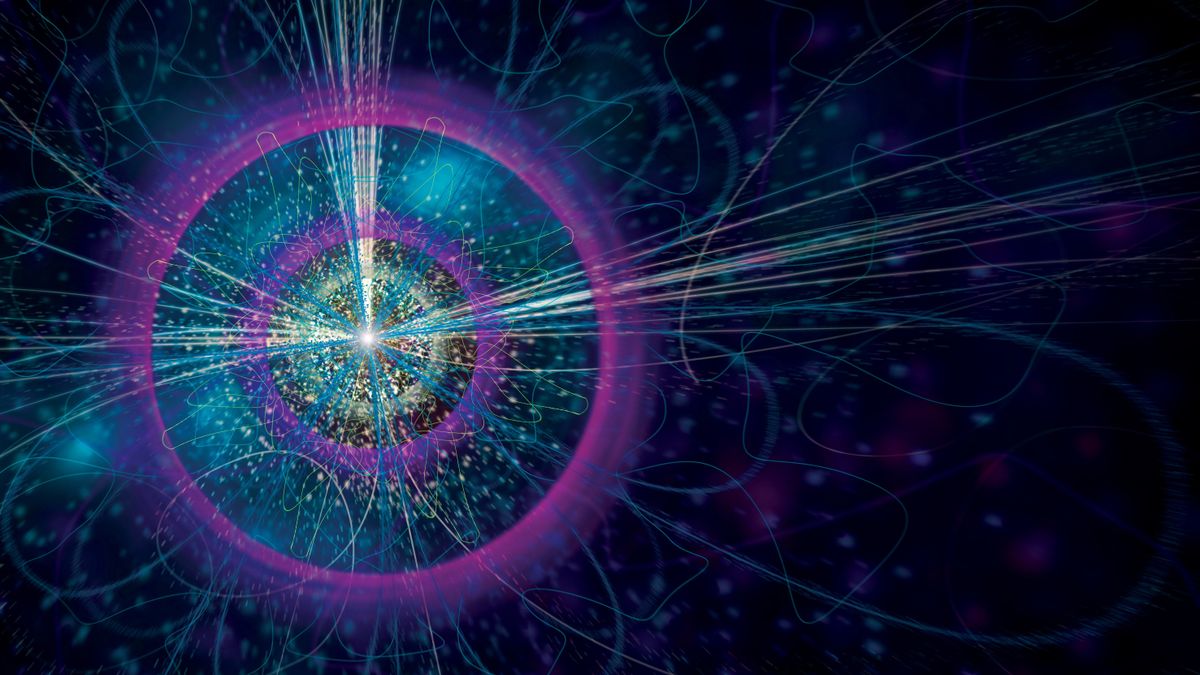
Four of a kind: exploring quadruple-Higgs boson production at the HL-LHC
Four Higgs bosons from a single LHC collision would be a remarkable sight. The Standard Model puts an observation out of reach at the High-Luminosity LHC. Yet events containing four Higgs bosons could still matter for today’s experimental search strategies—and become much more abundant if new scalar particles exist.
-
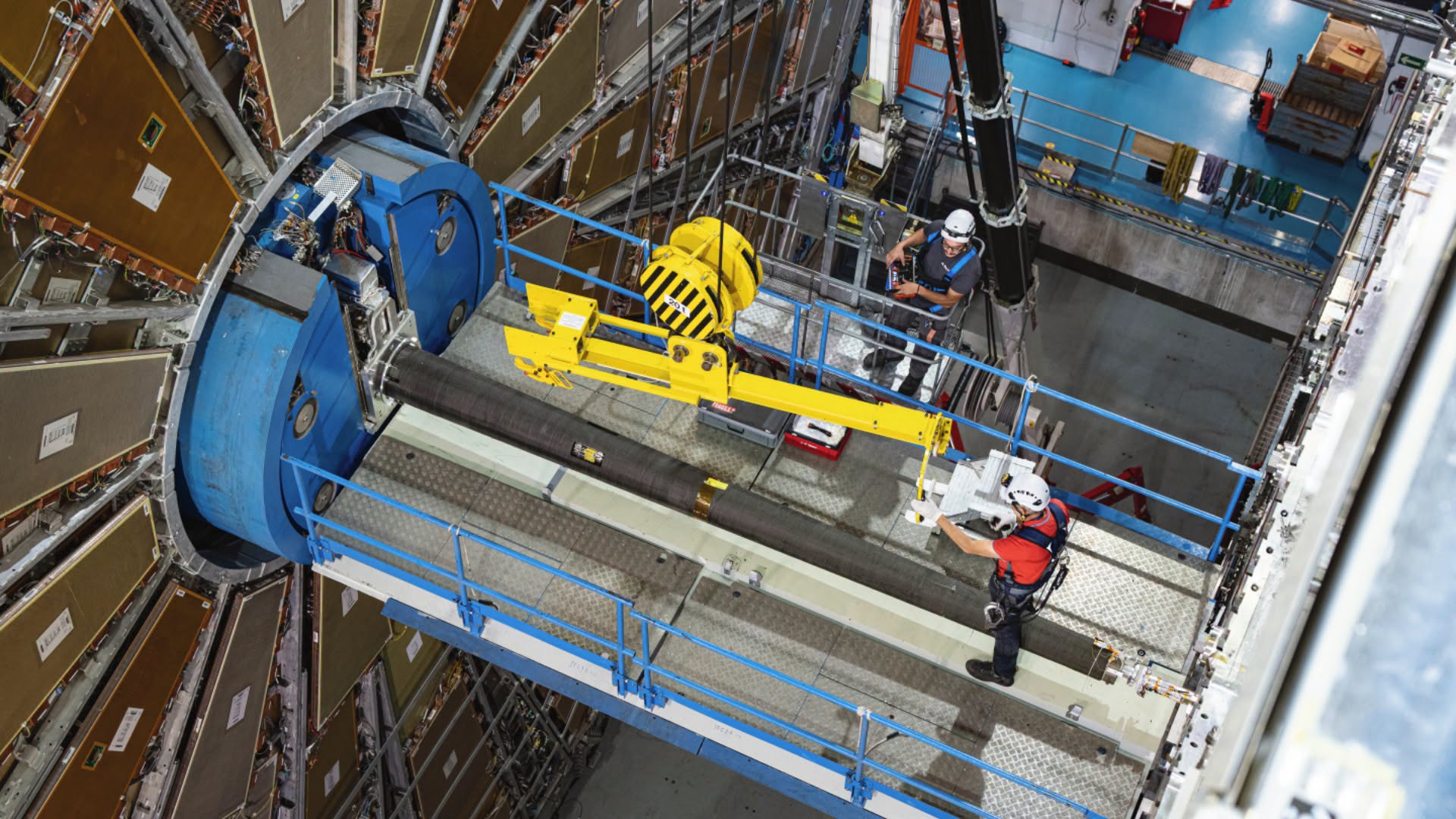
Taking ATLAS apart to build its future
In the first weeks of Long Shutdown 3, ATLAS entered a decisive new phase. Over the next four years, the collaboration will dismantle major parts of the detector and install new tracking, timing, trigger and infrastructure systems for the High-Luminosity LHC. Its technical coordination team reveals the intricate planning, tension and unexpected joy behind this…