
Tag: HL-LHC
-
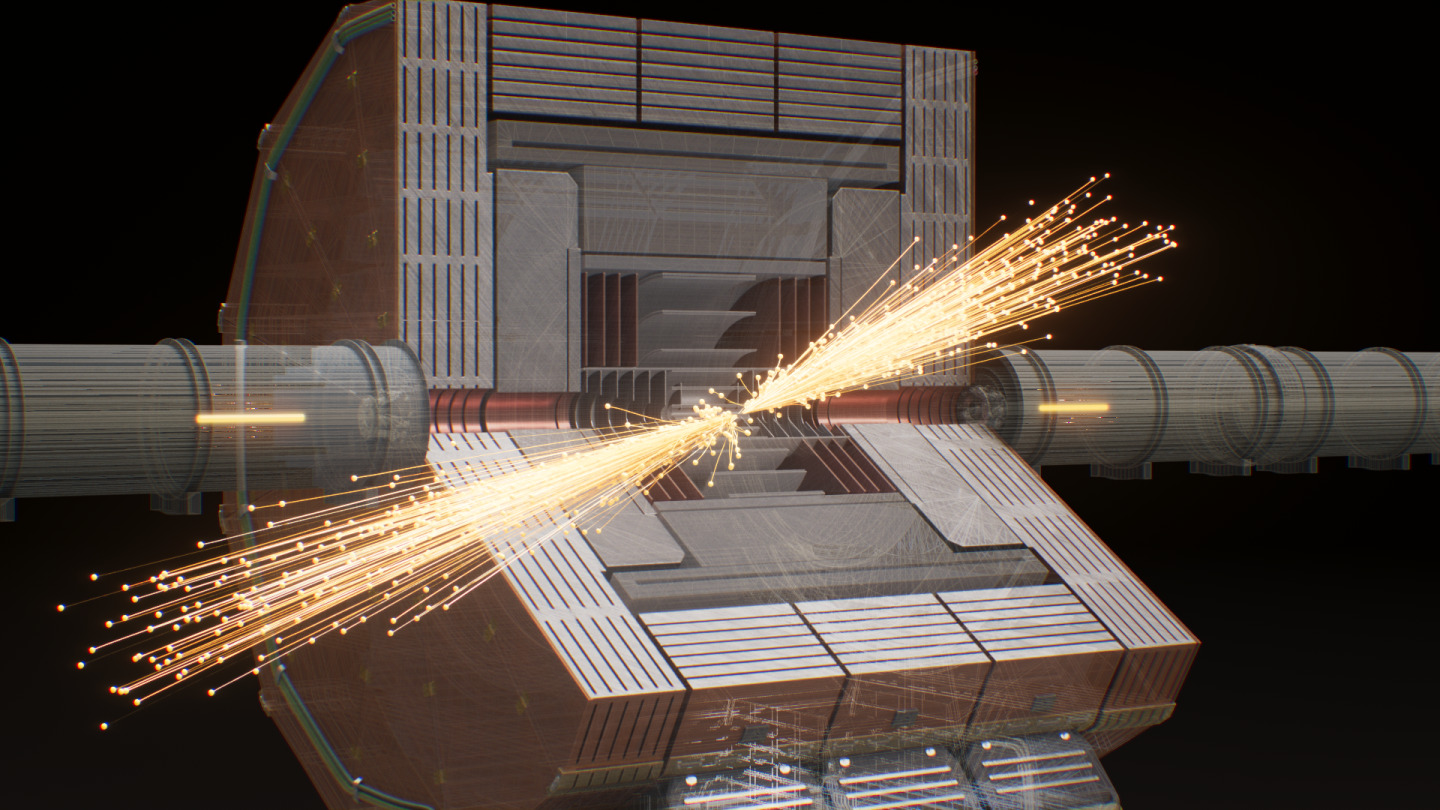
FCC Physics, Experiments and Detectors: from Strategy Update to Project Preparation
From detector concepts to future experiment collaborations, the FCC Physics, Experiments and Detectors programme is entering a new phase. Patrick Janot outlines how the Reference Design Phase will bring together physics ambitions, detector R&D and international collaboration to prepare FCC-ee for project approval and delivery.
-
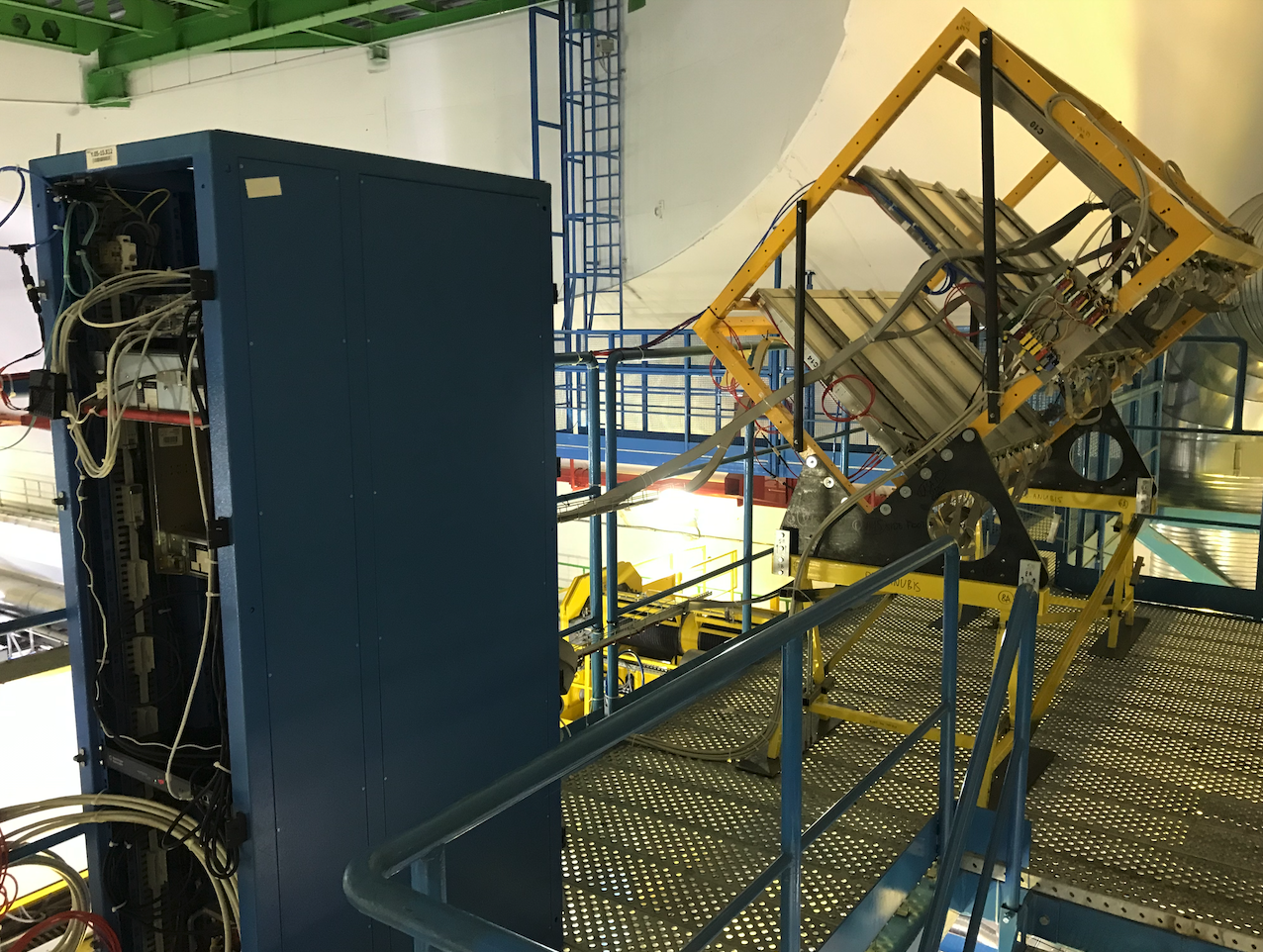
ANUBIS: from prototype to Letter of Intent
The proANUBIS demonstrator has completed data taking in the ATLAS cavern, showing that its detector technology delivers the efficiency and timing precision required to search for long-lived particles. These results strengthen the case for the full ANUBIS experiment, which would extend ATLAS’s reach into a largely unexplored region of new physics.
-
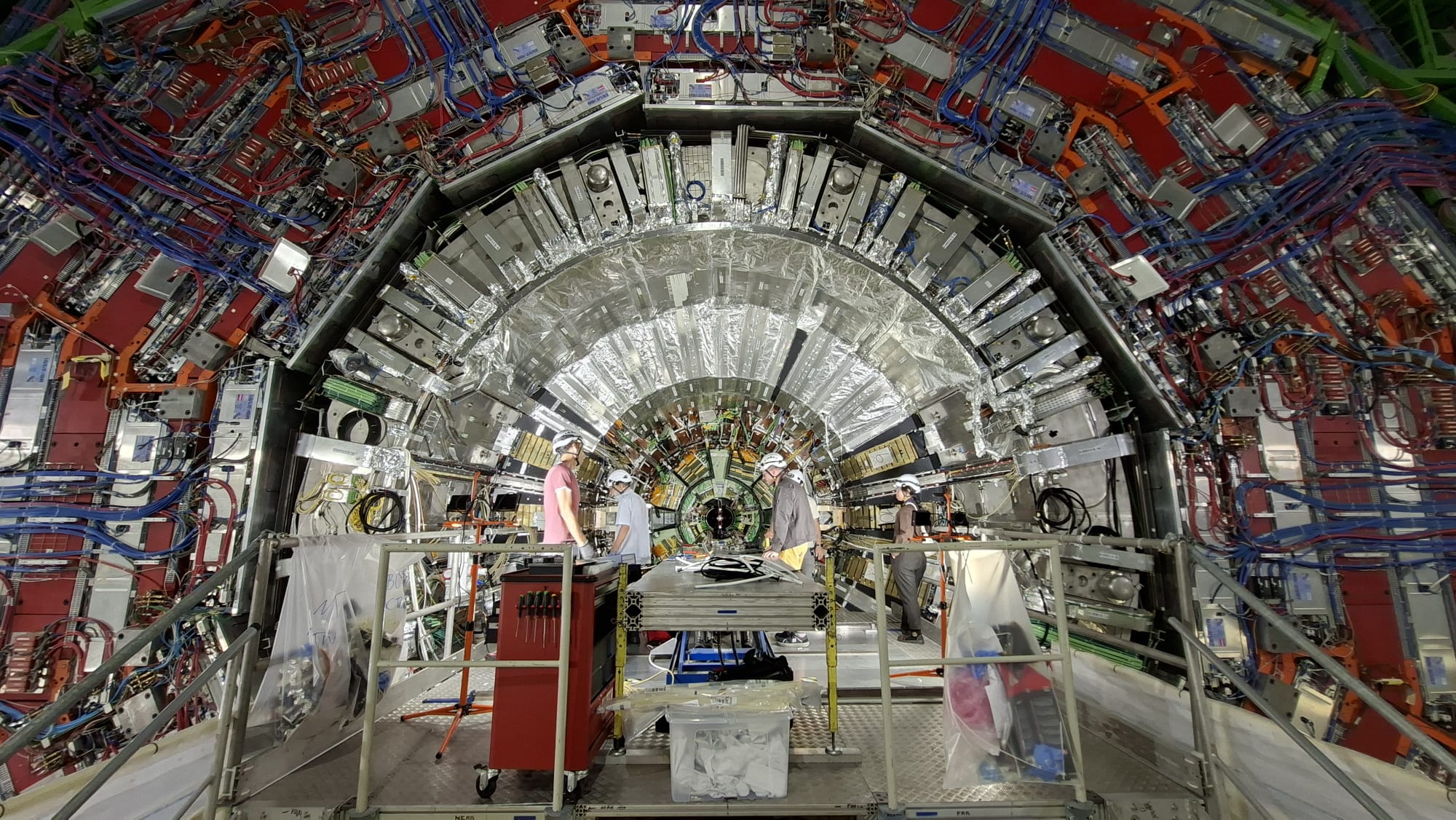
Inside CMS’s LS3 decommissioning challenge
CMS has begun one of the most demanding interventions in its history: the carefully planned removal of around 600 m³ of legacy services. Empty racks and cable trays now reveal the first stage of the detector’s transformation for the High-Luminosity LHC.
-
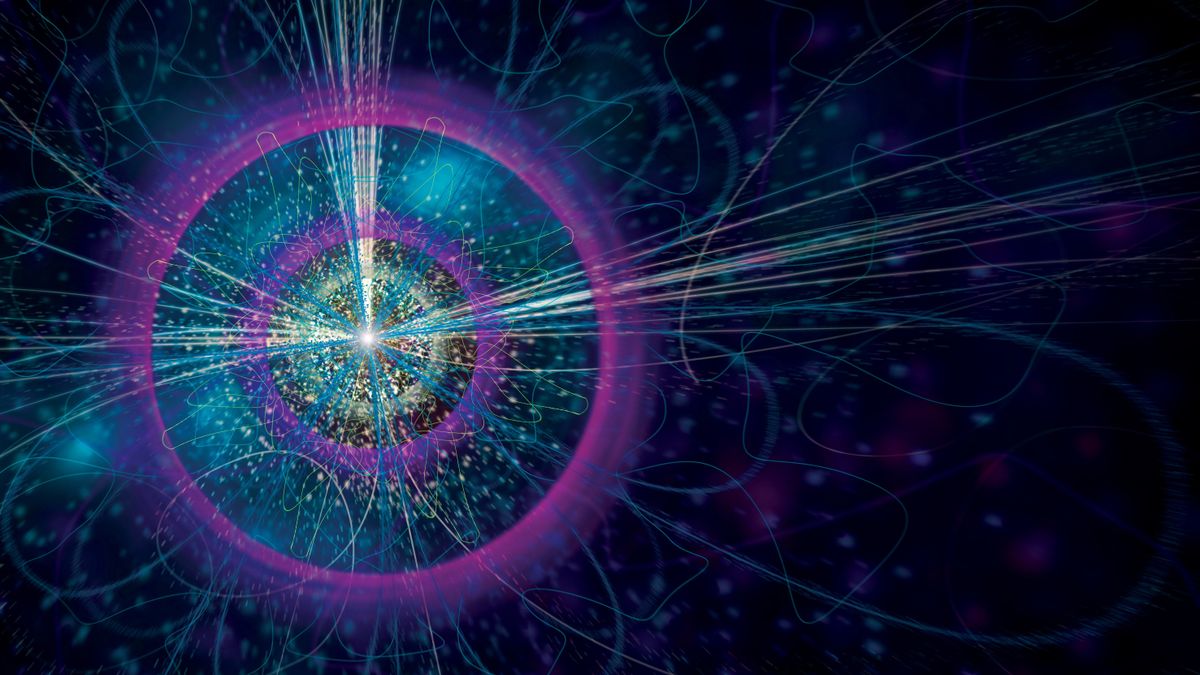
Four of a kind: exploring quadruple-Higgs boson production at the HL-LHC
Four Higgs bosons from a single LHC collision would be a remarkable sight. The Standard Model puts an observation out of reach at the High-Luminosity LHC. Yet events containing four Higgs bosons could still matter for today’s experimental search strategies—and become much more abundant if new scalar particles exist.
-
Taking ATLAS apart to build its future
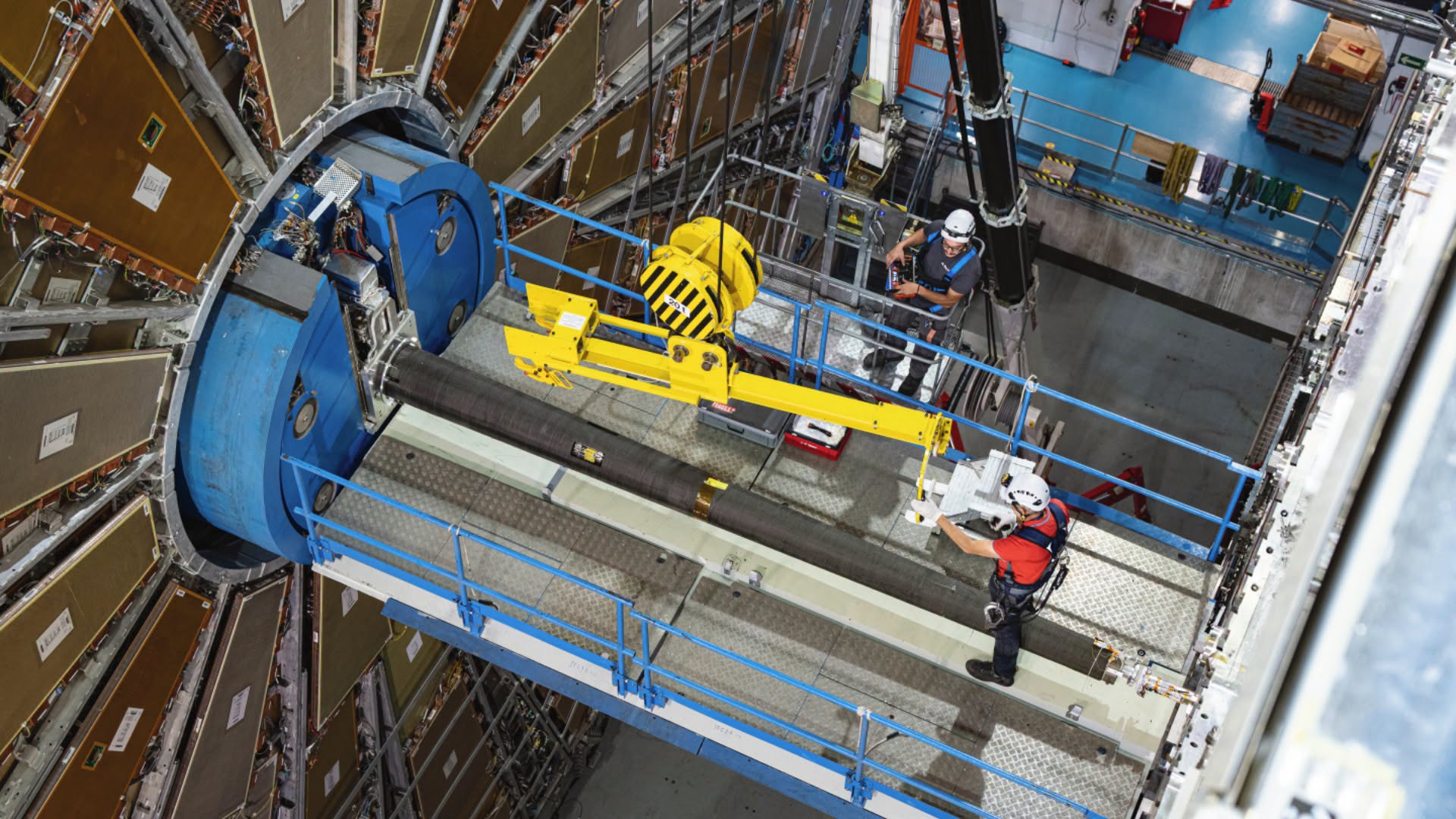
In the first weeks of Long Shutdown 3, ATLAS entered a decisive new phase. Over the next four years, the collaboration will dismantle major parts of the detector and install new tracking, timing, trigger and infrastructure systems for the High-Luminosity LHC. Its technical coordination team reveals the intricate planning, tension and unexpected joy behind this…
-
A Hundred Gigabits per Fibre: Silicon Photonics Links for the Detectors of Tomorrow
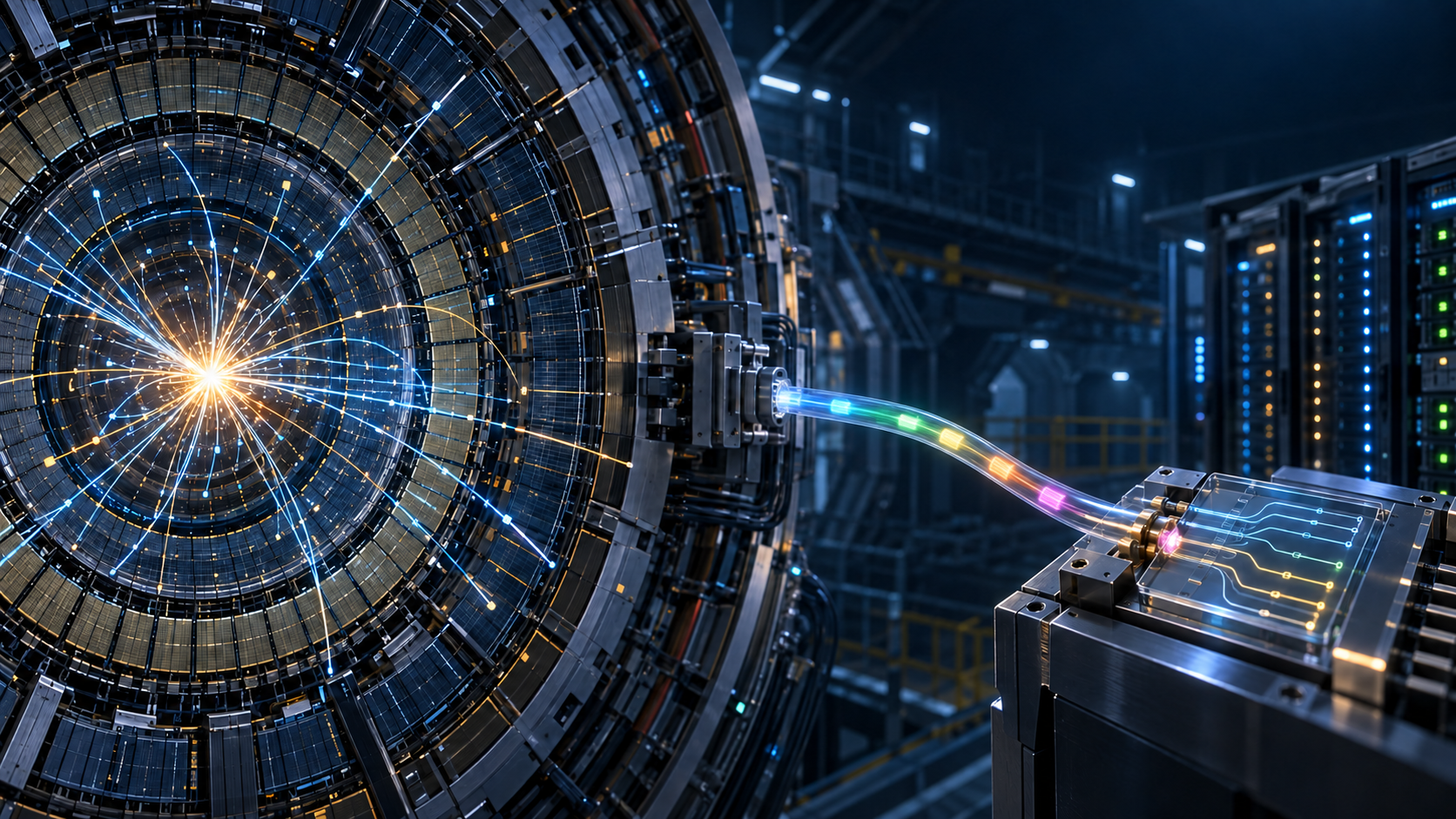
The High-Speed Links Work Package (WP6) of the EP R&D programme is developing the radiation-tolerant, high-bandwidth optical links needed for future particle detectors. Combining custom ASICs, Silicon Photonics and FPGA-based back-end systems, the team is now moving towards integrated demonstrations in an experimental context.
-
Designing for the unusual: LLP2026 and the lifetime frontier
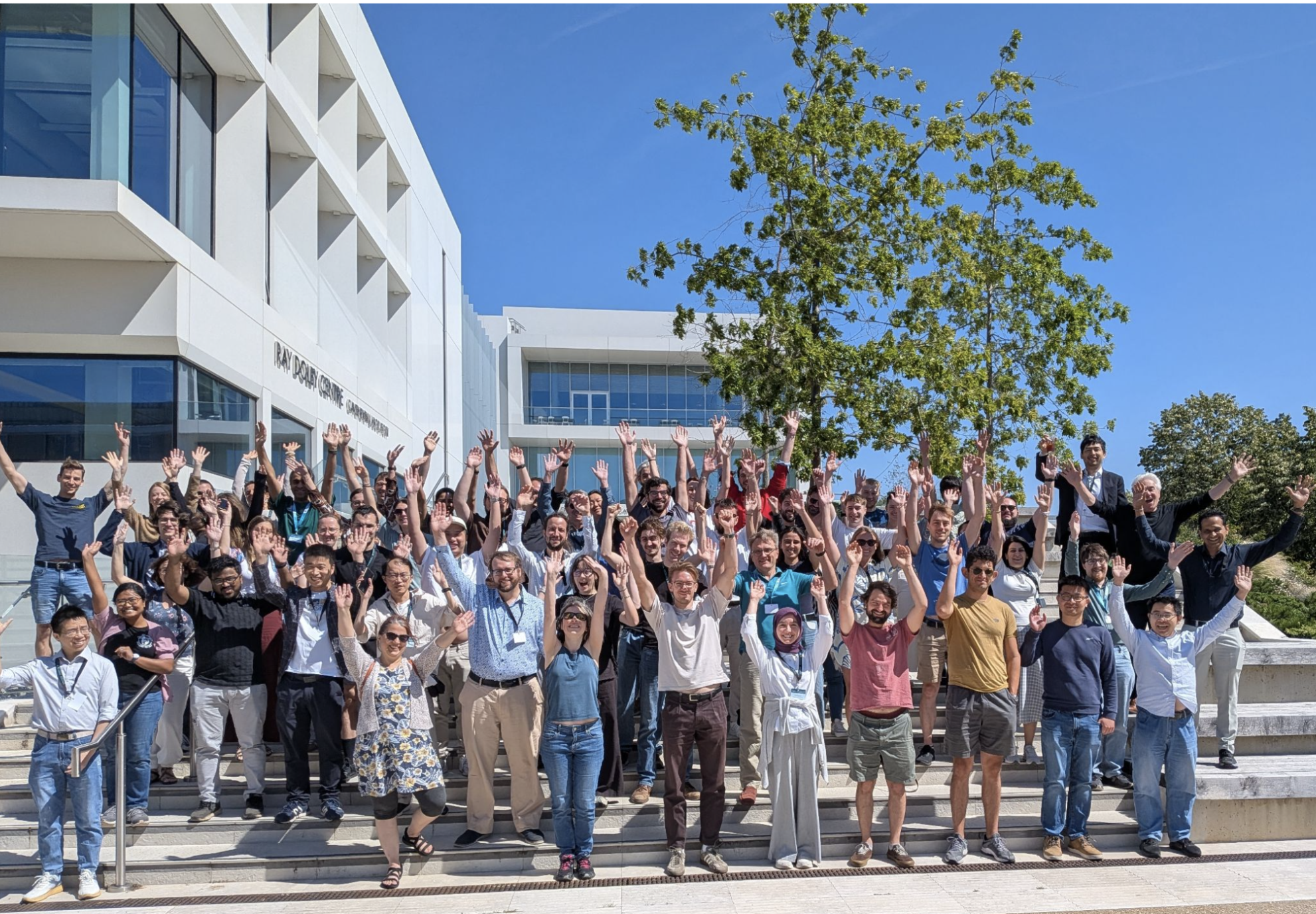
LLP2026 brought around 80 theorists and experimentalists to Cambridge at a moment of transition for the lifetime frontier. From new searches using Run 3 LHC data and unconventional signatures to prototype detectors and new experimental concepts, the workshop showed how long-recognised blind spots are being turned into concrete experimental capabilities.
-
Bundling Forces for Future Online Computing: Introducing the CDO Projec
Discover the Control Acquisition and Online Computing (CDO) Project, an initiative of the Experimental Physics Department that brings together diverse expertise, ideas and perspectives to strengthen collaboration across the community.
-
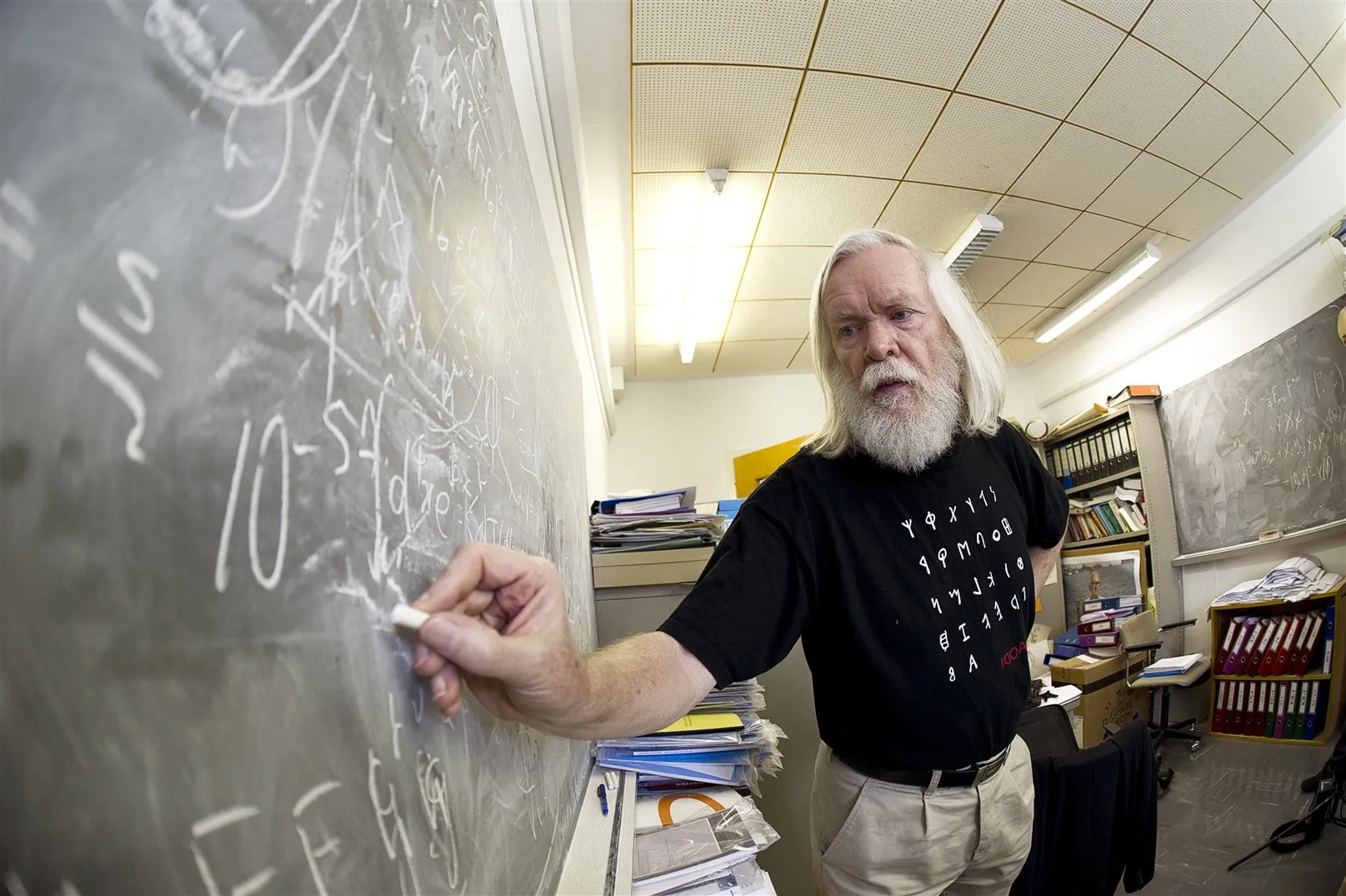
In discussion with John Ellis: The Higgs, Patience and Perseverance in Science
In discussion with John Ellis: The Higgs, Patience and Perseverance in Science by Panos Charitos For John Ellis, the history of the Higgs boson is not a neat, short story that begins with a theory paper and ends with a discovery announcement. It is a long intellectual adventure, beginning in superconductivity, moving through the construction
-
EP R&D Day 2026: technologies for the next generation of experiments
EP R&D Day 2026: technologies for the next generation of experiments On 29 April 2026, colleagues from across CERN’s Experimental Physics Department gathered for the annual meeting dedicated to the strategic EP R&D programme on technologies for future experiments. The programme offered a broad update on progress achieved over the past year, bringing together developments