
Tag: LHC experiments
-
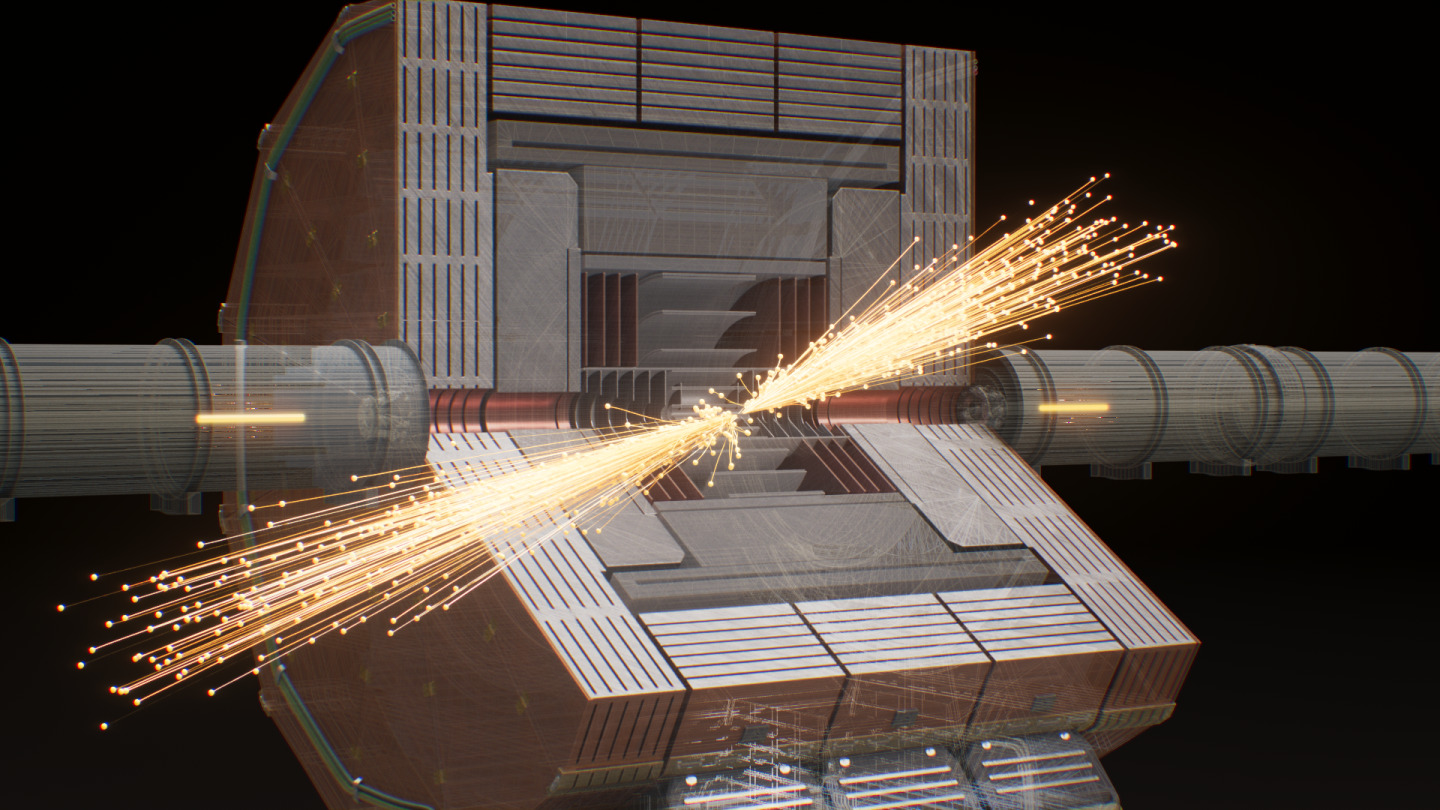
FCC Physics, Experiments and Detectors: from Strategy Update to Project Preparation
From detector concepts to future experiment collaborations, the FCC Physics, Experiments and Detectors programme is entering a new phase. Patrick Janot outlines how the Reference Design Phase will bring together physics ambitions, detector R&D and international collaboration to prepare FCC-ee for project approval and delivery.
-
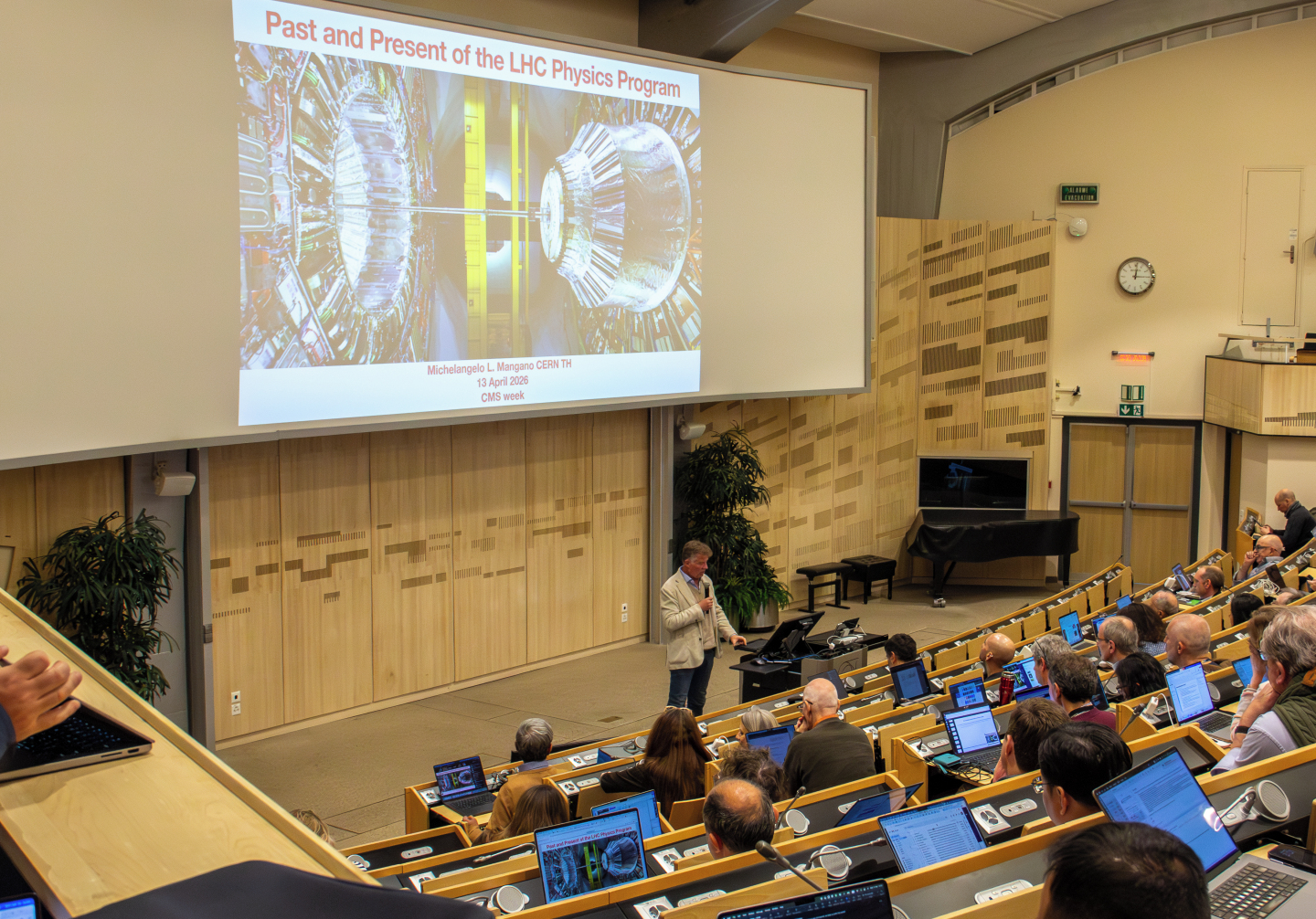
Past and Present of the LHC Physics Programme: A Viewpoint
Before the LHC began operations, expectations were immense. It was not perceived simply as CERN’s next machine after LEP, but as “the next machine after everything”—a collider expected to settle how electroweak symmetry is broken.
-
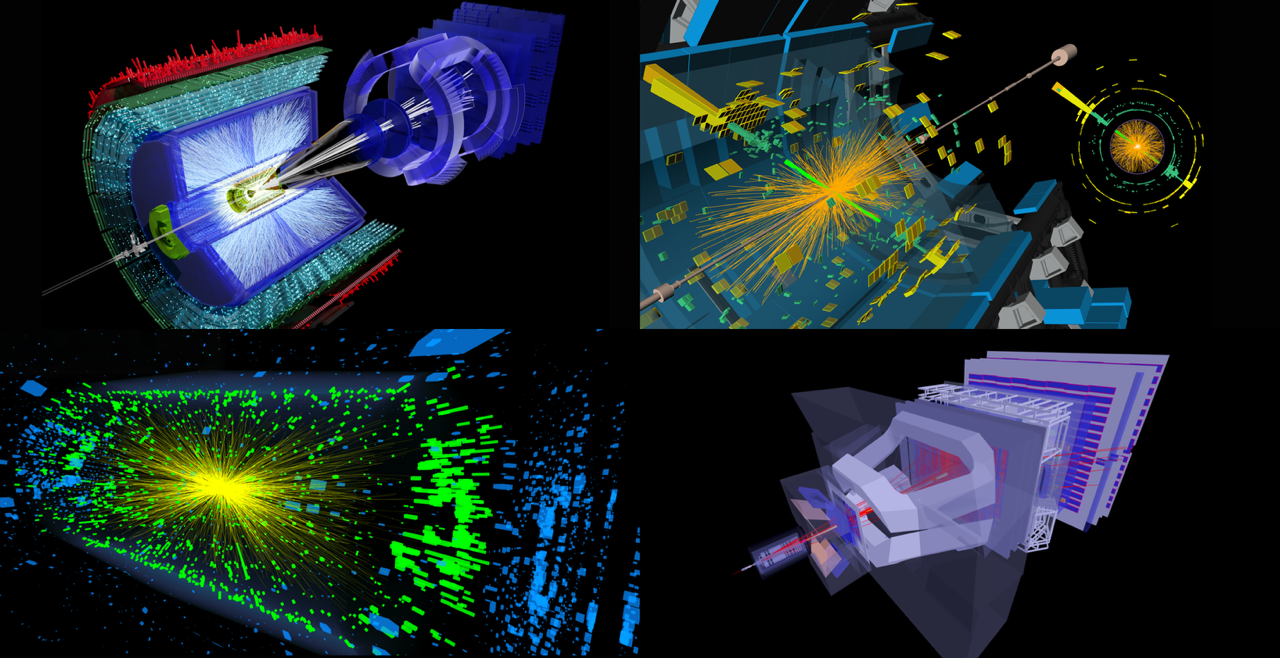
From Run 3 to the next generation: following the transformation of the LHC experiments
From dismantling detector components to installing new technologies, the transition from Run 3 to the next generation of LHC experiments is a major scientific and engineering undertaking. We follow the teams behind this transformation, exploring the challenges inside the experimental caverns and the expertise across CERN’s EP Department that helps turn ambitious upgrade plans into…
-
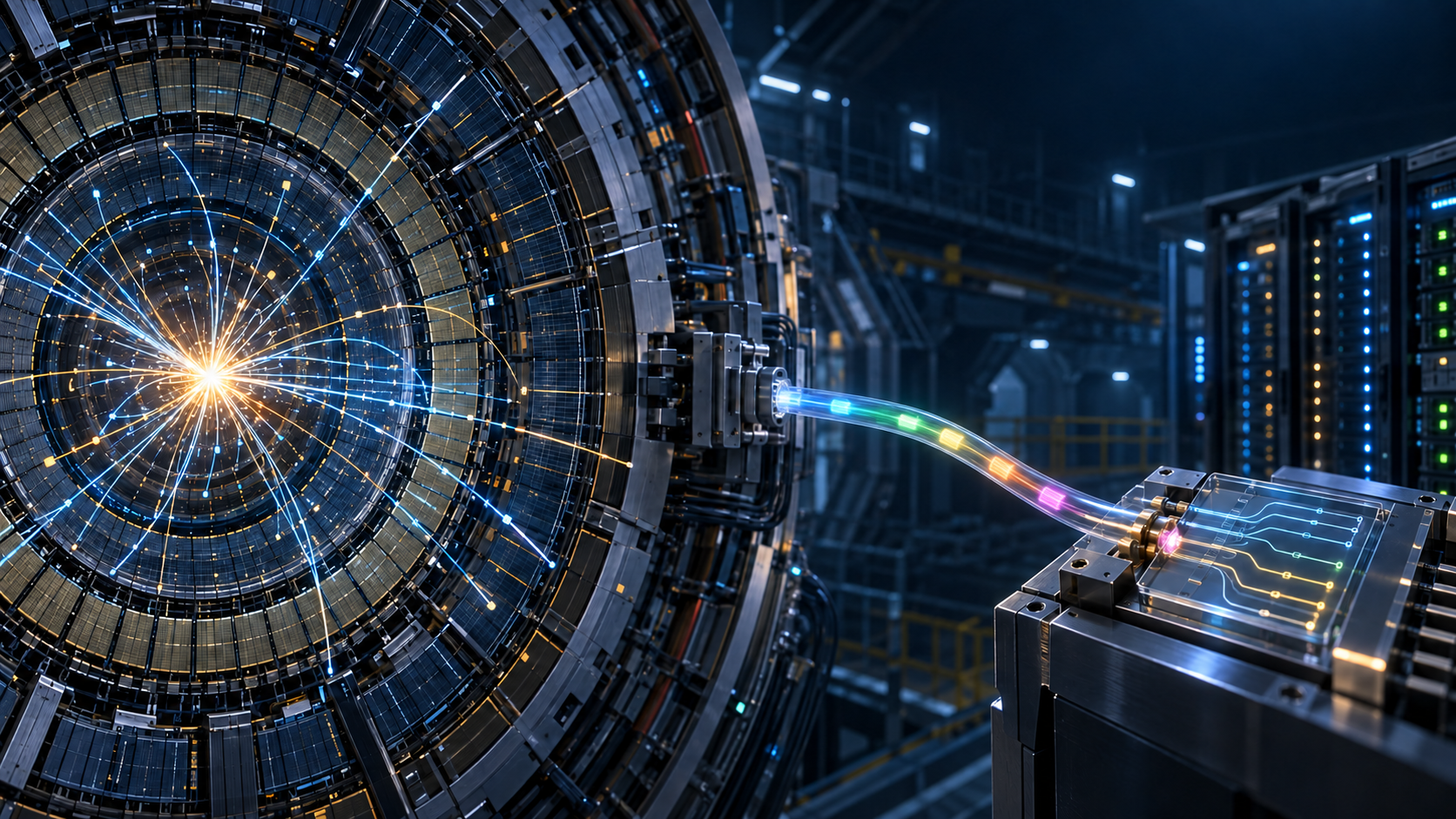
A Hundred Gigabits per Fibre: Silicon Photonics Links for the Detectors of Tomorrow
The High-Speed Links Work Package (WP6) of the EP R&D programme is developing the radiation-tolerant, high-bandwidth optical links needed for future particle detectors. Combining custom ASICs, Silicon Photonics and FPGA-based back-end systems, the team is now moving towards integrated demonstrations in an experimental context.
-
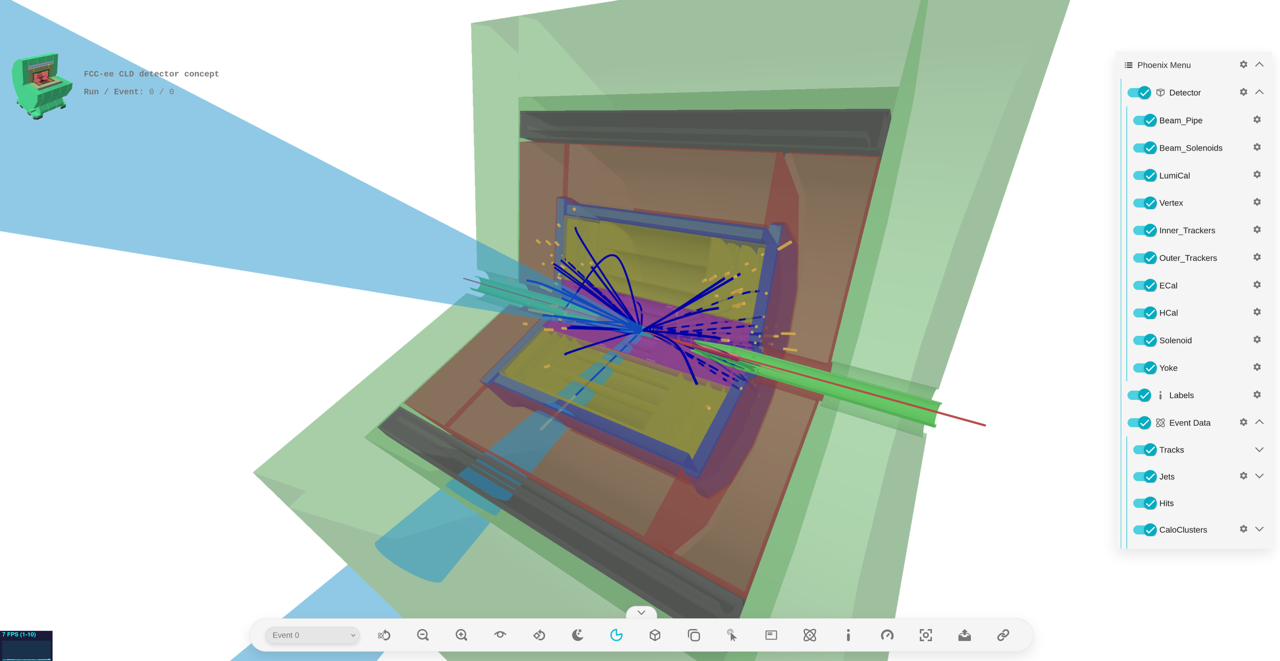
Key4hep: A software framework for future collider studies
Key4hep brings future-collider communities together around a shared software framework for detector design and physics studies. By integrating tools for event generation, simulation, reconstruction and analysis, it reduces duplication, facilitates comparisons and allows each project to adapt the software to its own detector and scientific goals.
-
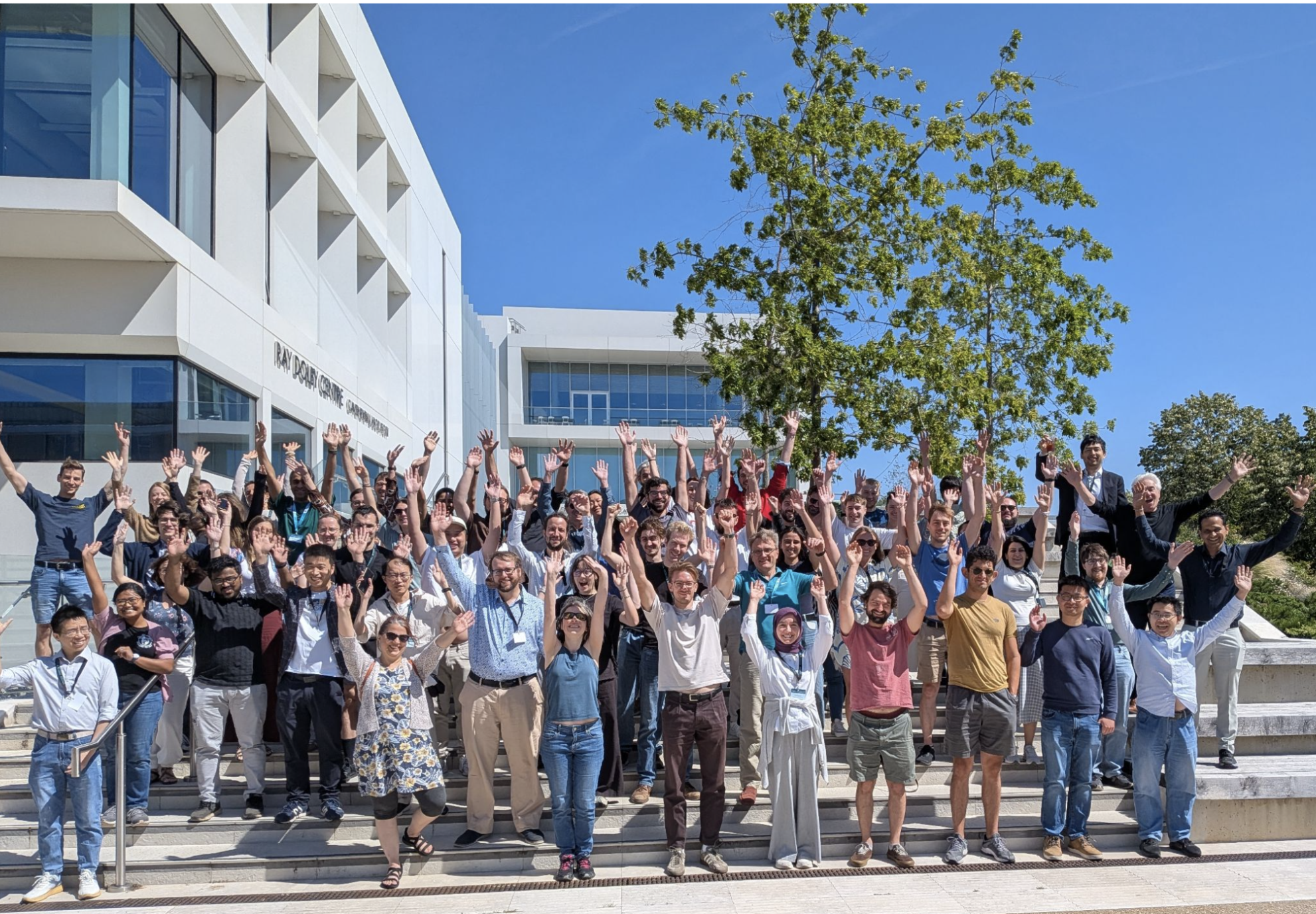
Designing for the unusual: LLP2026 and the lifetime frontier
LLP2026 brought around 80 theorists and experimentalists to Cambridge at a moment of transition for the lifetime frontier. From new searches using Run 3 LHC data and unconventional signatures to prototype detectors and new experimental concepts, the workshop showed how long-recognised blind spots are being turned into concrete experimental capabilities.
-
Bundling Forces for Future Online Computing: Introducing the CDO Projec
Discover the Control Acquisition and Online Computing (CDO) Project, an initiative of the Experimental Physics Department that brings together diverse expertise, ideas and perspectives to strengthen collaboration across the community.
-
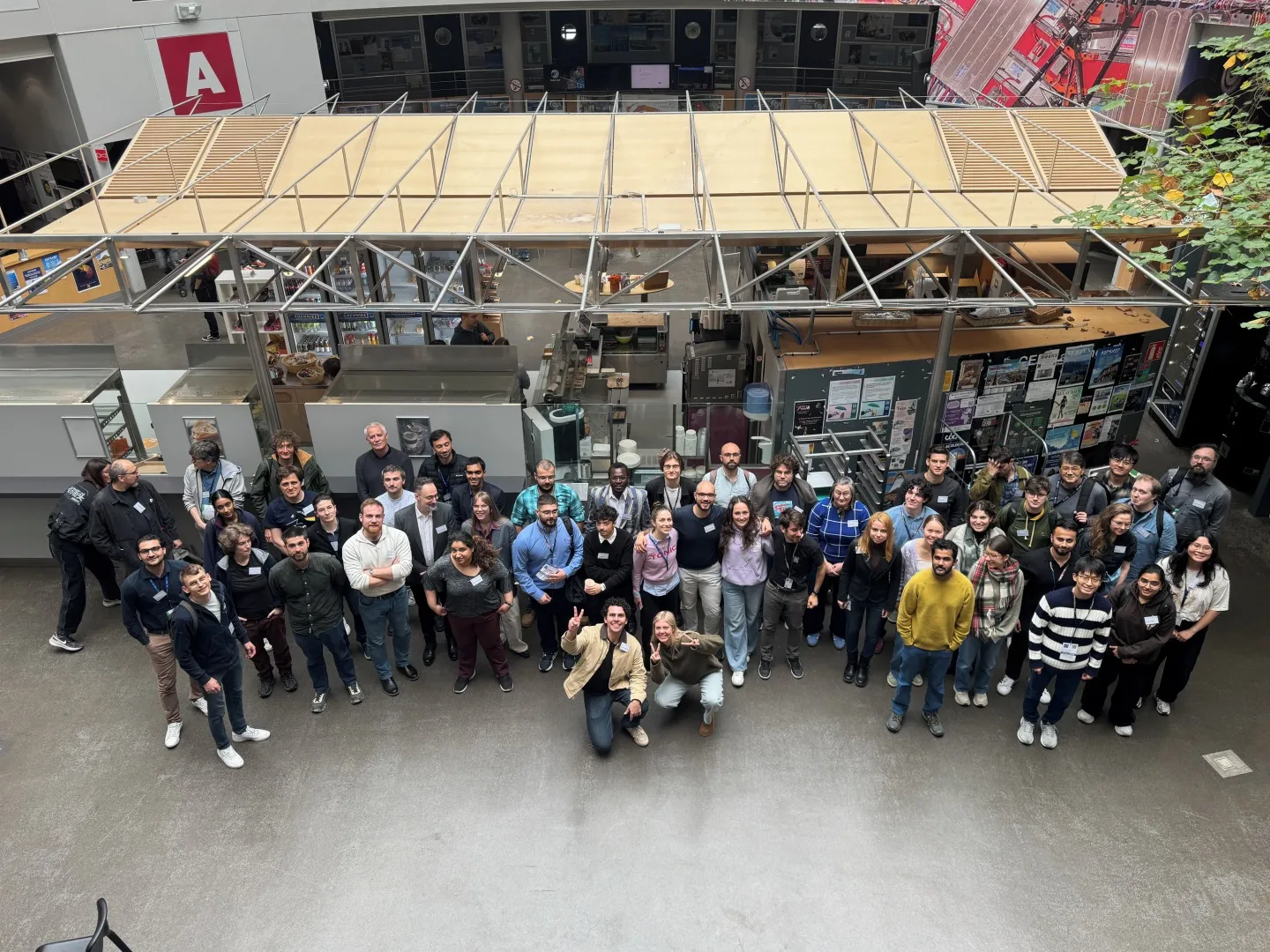
AI for Gravitational Waves: Building Bridges Between Scientific Communities
AI for Gravitational Waves: Building Bridges Between Scientific Communities As gravitational-wave observatories enter a new phase of sensitivity, scale and scientific ambition, the challenge is no longer only to detect faint ripples in spacetime. It is also to analyse, interpret and respond to them fast enough to open new windows on the Universe. This was
-
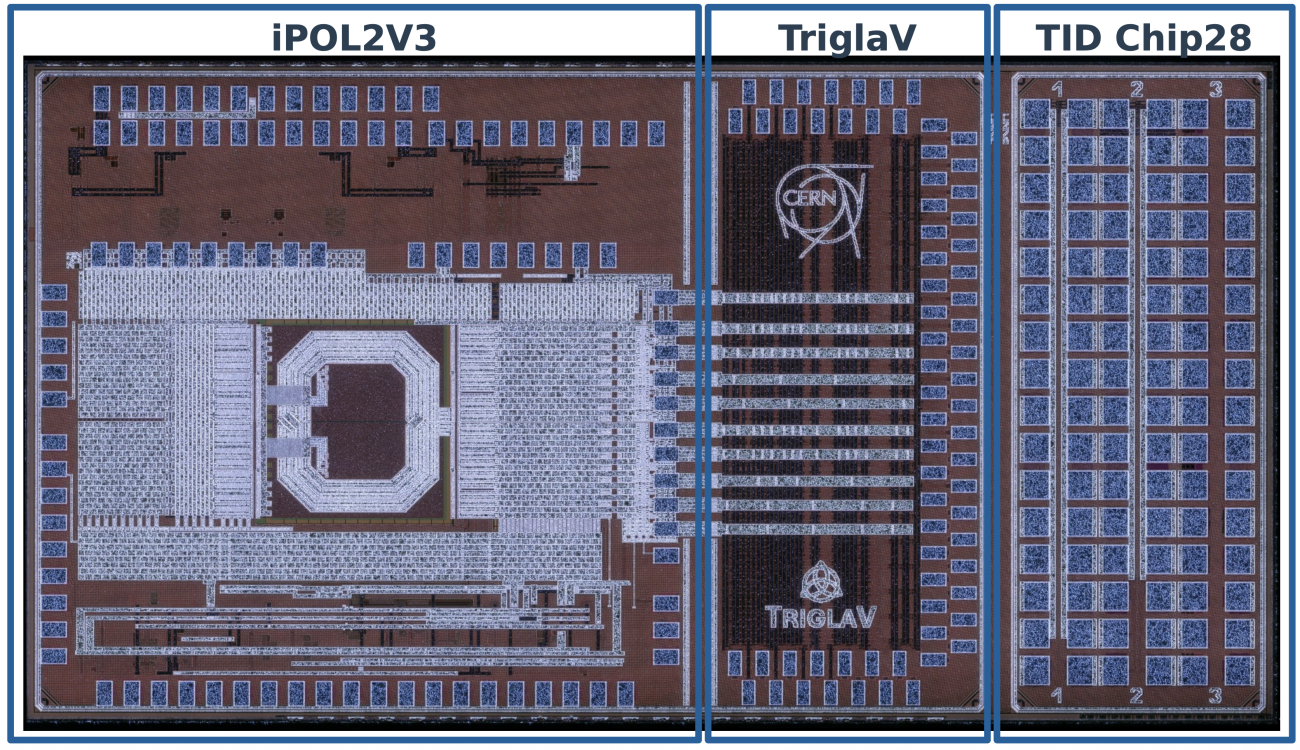
Building a Microelectronics Foundation for Tomorrow’s Detectors
Building a Microelectronics Foundation for Tomorrow’s Detectors The challenge: smarter chips in harsher places Particle physics detectors have always pushed electronics to their limits. The next generation of tracking systems and calorimeters will depend critically on dense, intelligent, low power and radiation-hard microelectronics: front-end ASICs that can survive for decades in harsh environments, having their
-
Rucio crosses the exabyte horizon
Rucio crosses the exabyte horizon When we last wrote in these pages about Rucio, ATLAS had just passed the half-exabyte mark and the community counted around thirty organisations. Six years on, a threshold that was then a distant projection has been crossed: both ATLAS and CMS, the two largest LHC experiments, now each manage more