
Tag: QCD
-
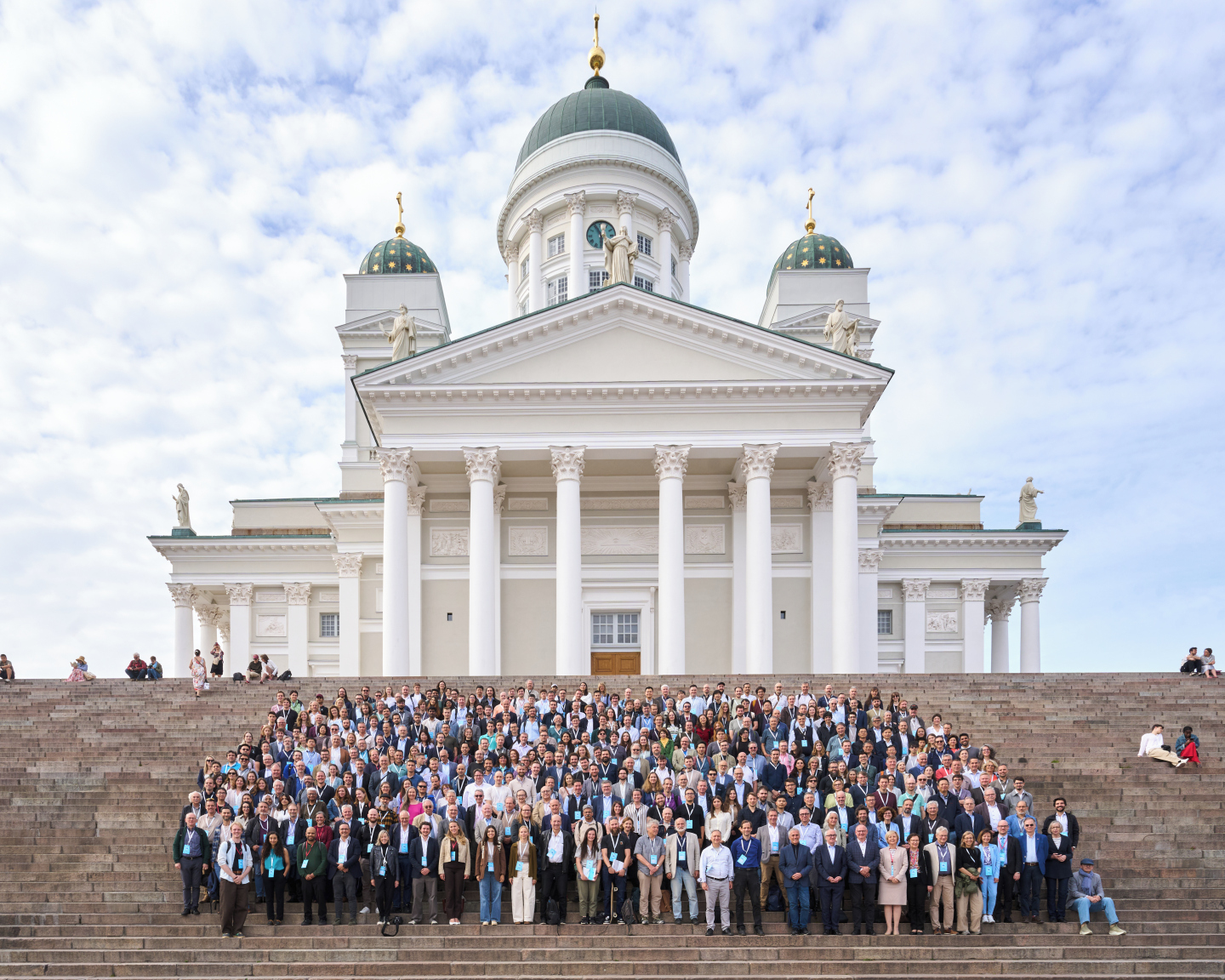
FCC Week 2026: from scientific ambition to an integrated design
FCC Week 2026: from scientific ambition to an integrated design by Panos Charitos (CERN) This year’s annual conference brought together 656 participants in Helsinki to examine how the Future Circular Collider study can move from feasibility demonstration towards a coherent reference design. With its primary focus on FCC-ee, the meeting presented a project in which
-
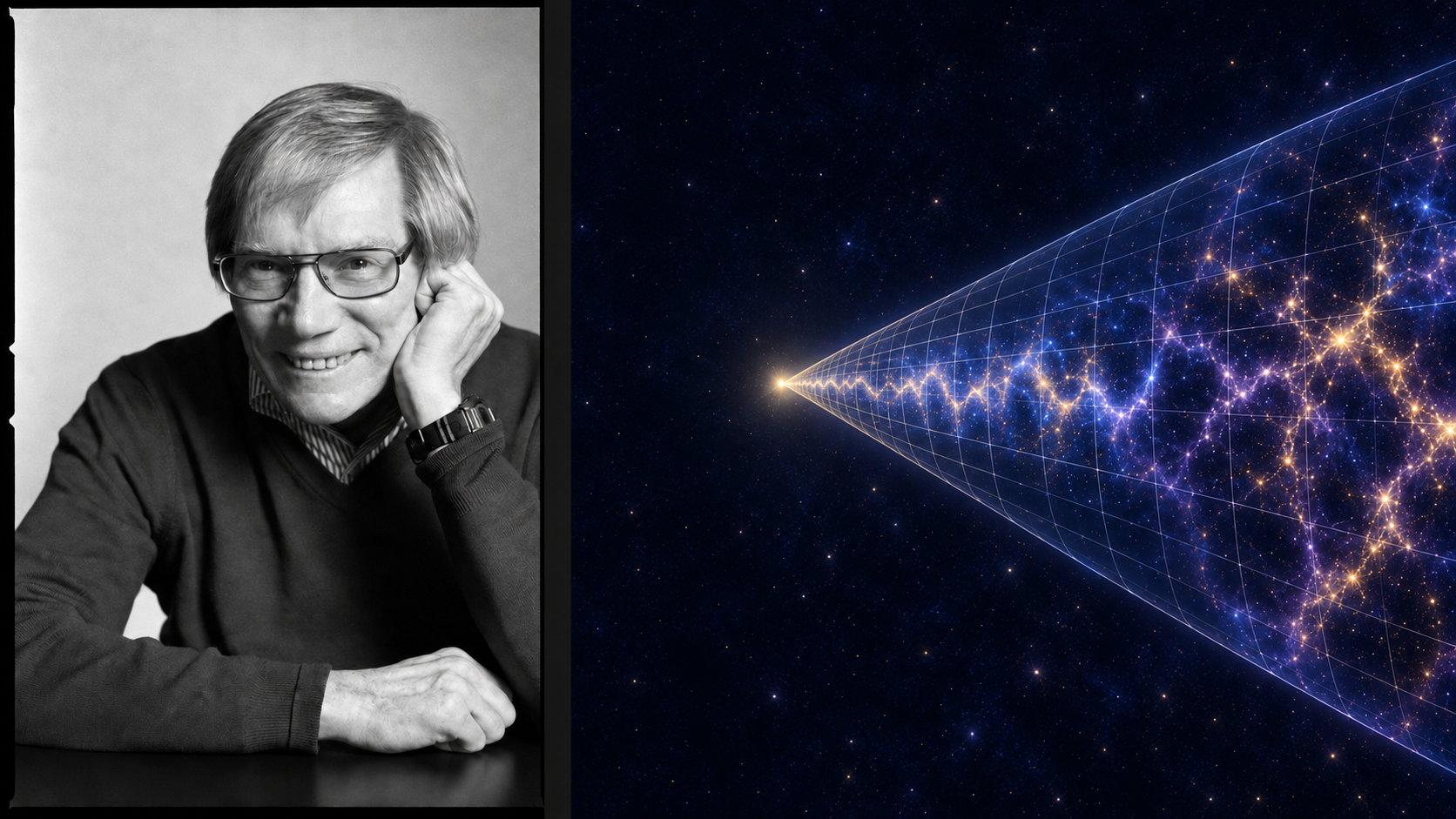
In discussion with Alan Guth
Alan Guth reflects on the origins of inflationary cosmology, the uncertainty surrounding its earliest models and the observations that could shape its future. He also discusses eternal inflation, the measure problem and the enduring connections between cosmology and particle physics.
-
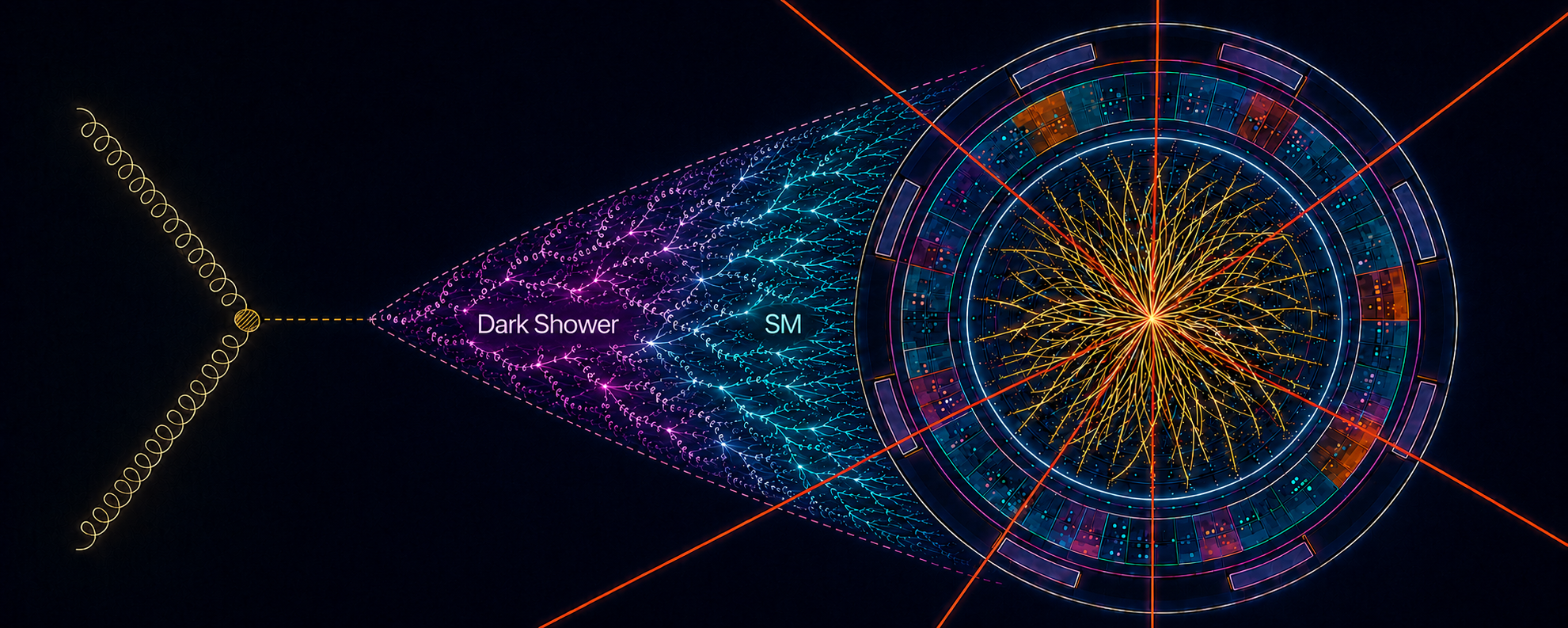
Looking for soft unclustered energy patterns from dark matter in CMS and ATLAS
CMS and ATLAS are exploring unconventional signatures of dark matter at the LHC. New searches target soft unclustered energy patterns—nearly spherical sprays of low-energy particles that can evade conventional detection strategies—and extend sensitivity to previously unexplored regions of the dark sector.
-
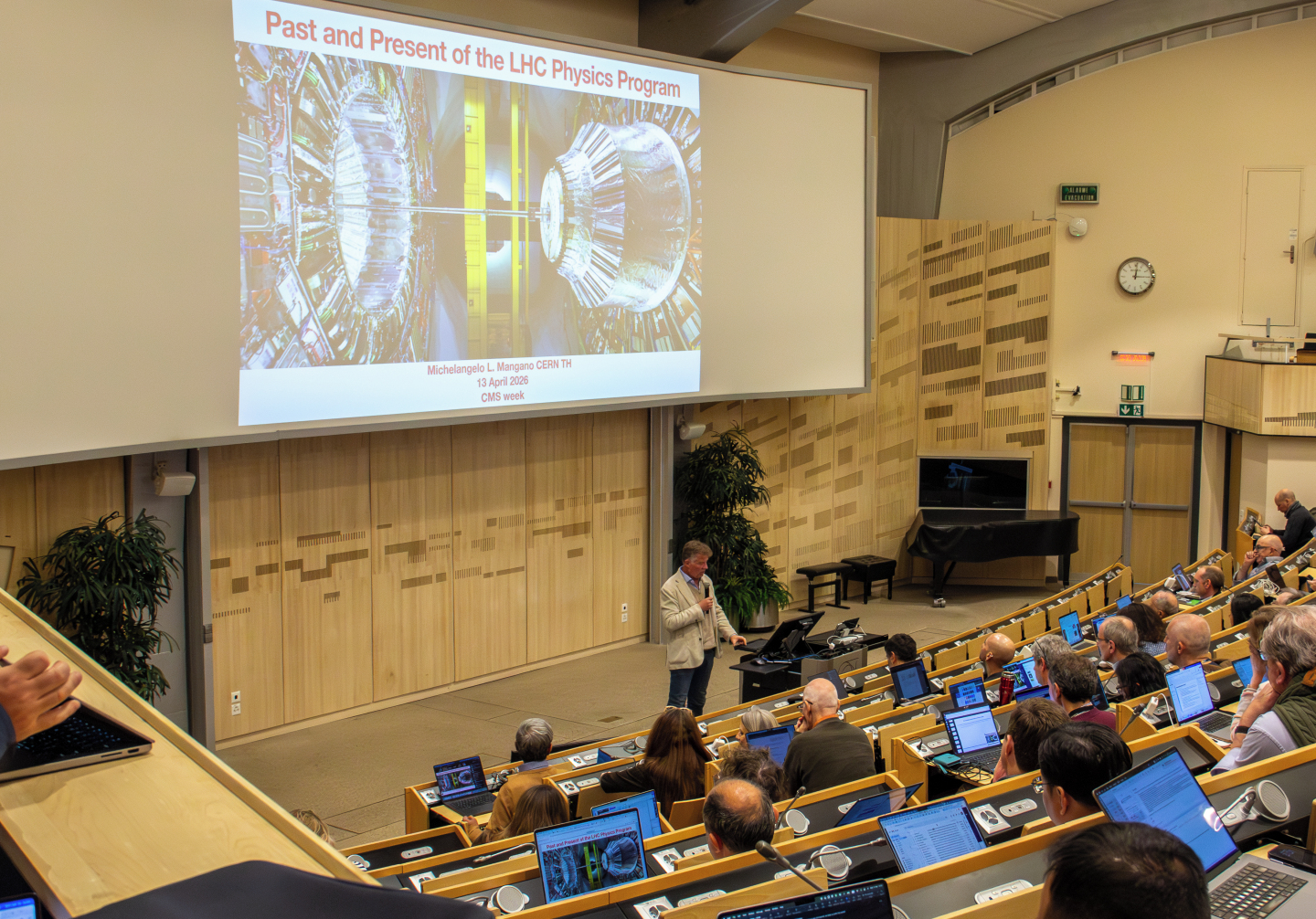
Past and Present of the LHC Physics Programme: A Viewpoint
Before the LHC began operations, expectations were immense. It was not perceived simply as CERN’s next machine after LEP, but as “the next machine after everything”—a collider expected to settle how electroweak symmetry is broken.
-
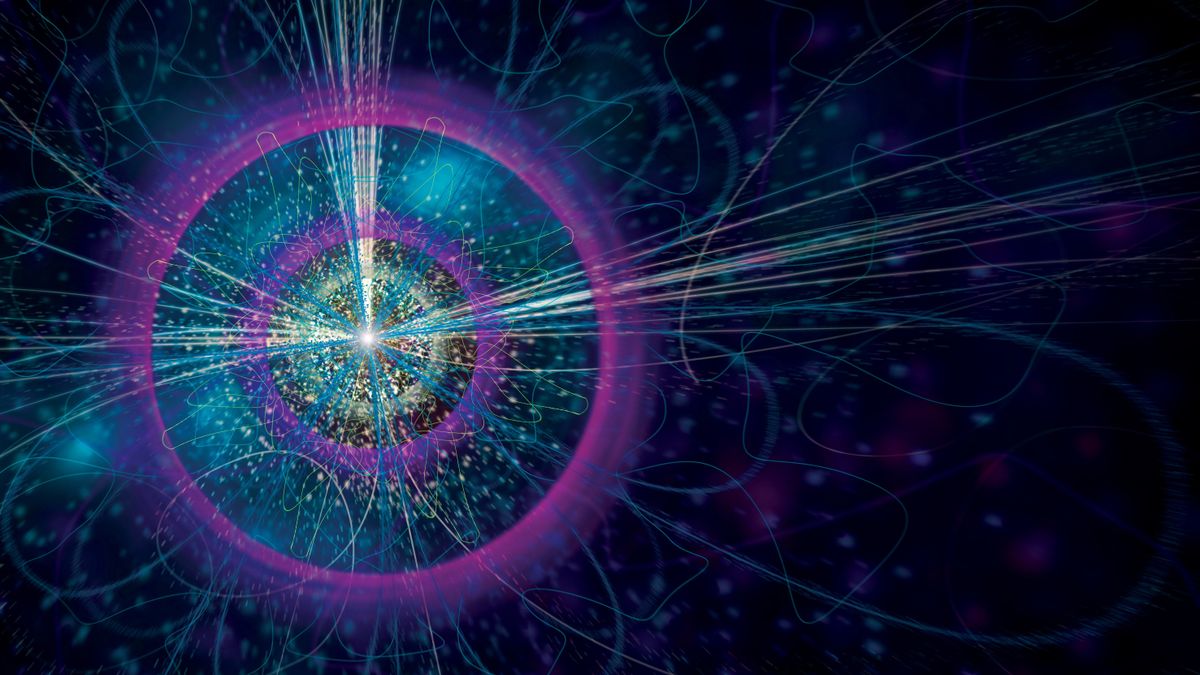
Four of a kind: exploring quadruple-Higgs boson production at the HL-LHC
Four Higgs bosons from a single LHC collision would be a remarkable sight. The Standard Model puts an observation out of reach at the High-Luminosity LHC. Yet events containing four Higgs bosons could still matter for today’s experimental search strategies—and become much more abundant if new scalar particles exist.
-
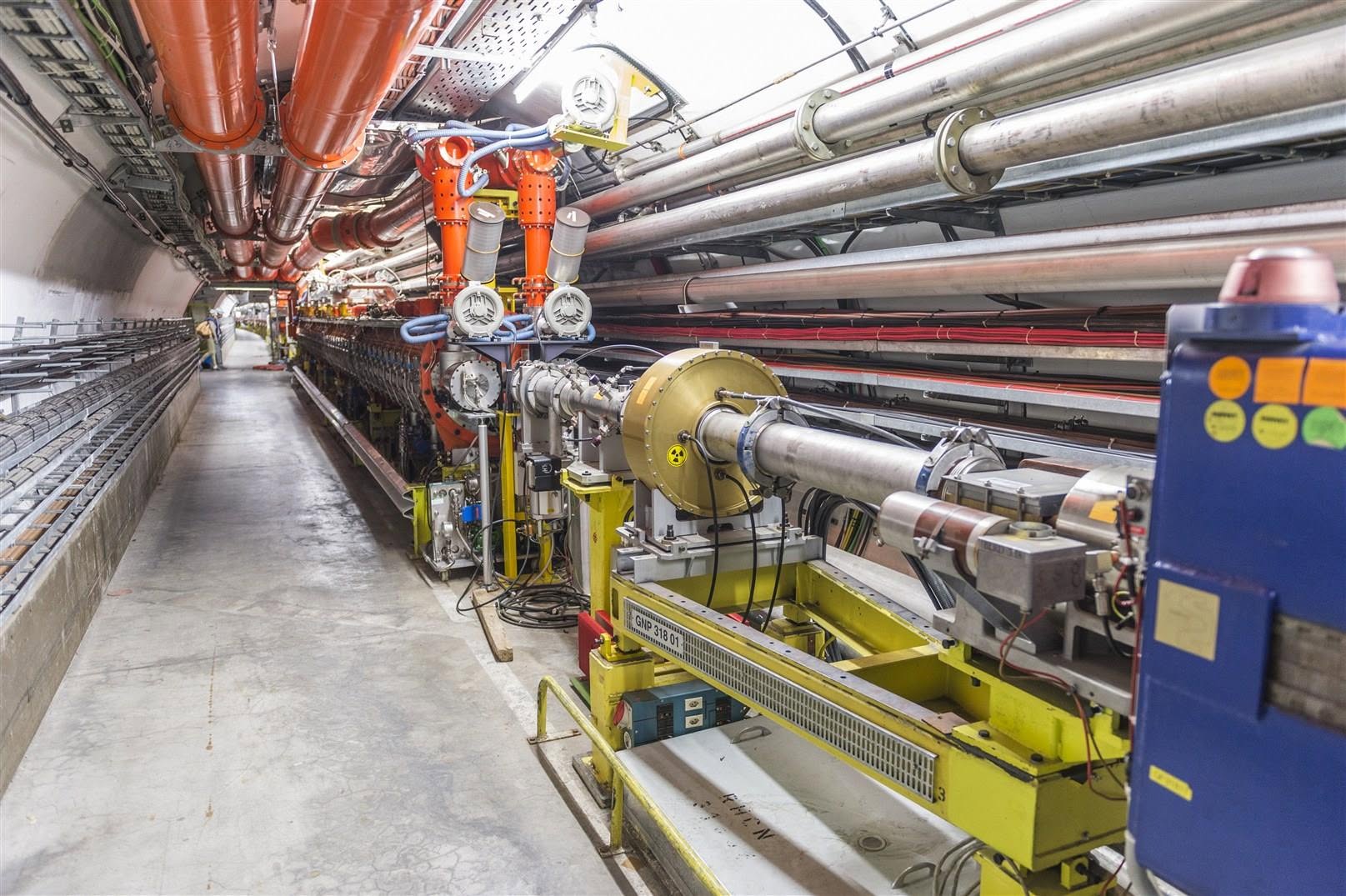
From beam dumps to missing energy: the SPS search for hidden particles
For more than four decades, CERN’s Super Proton Synchrotron has served as a testing ground for new ways to search for particles that interact only feebly with ordinary matter. In a recent lecture, NA64 co-spokesperson Paolo Crivelli traced the evolution of this programme – from the first beam-dump experiments to missing-energy and missing-momentum searches, precision…
-
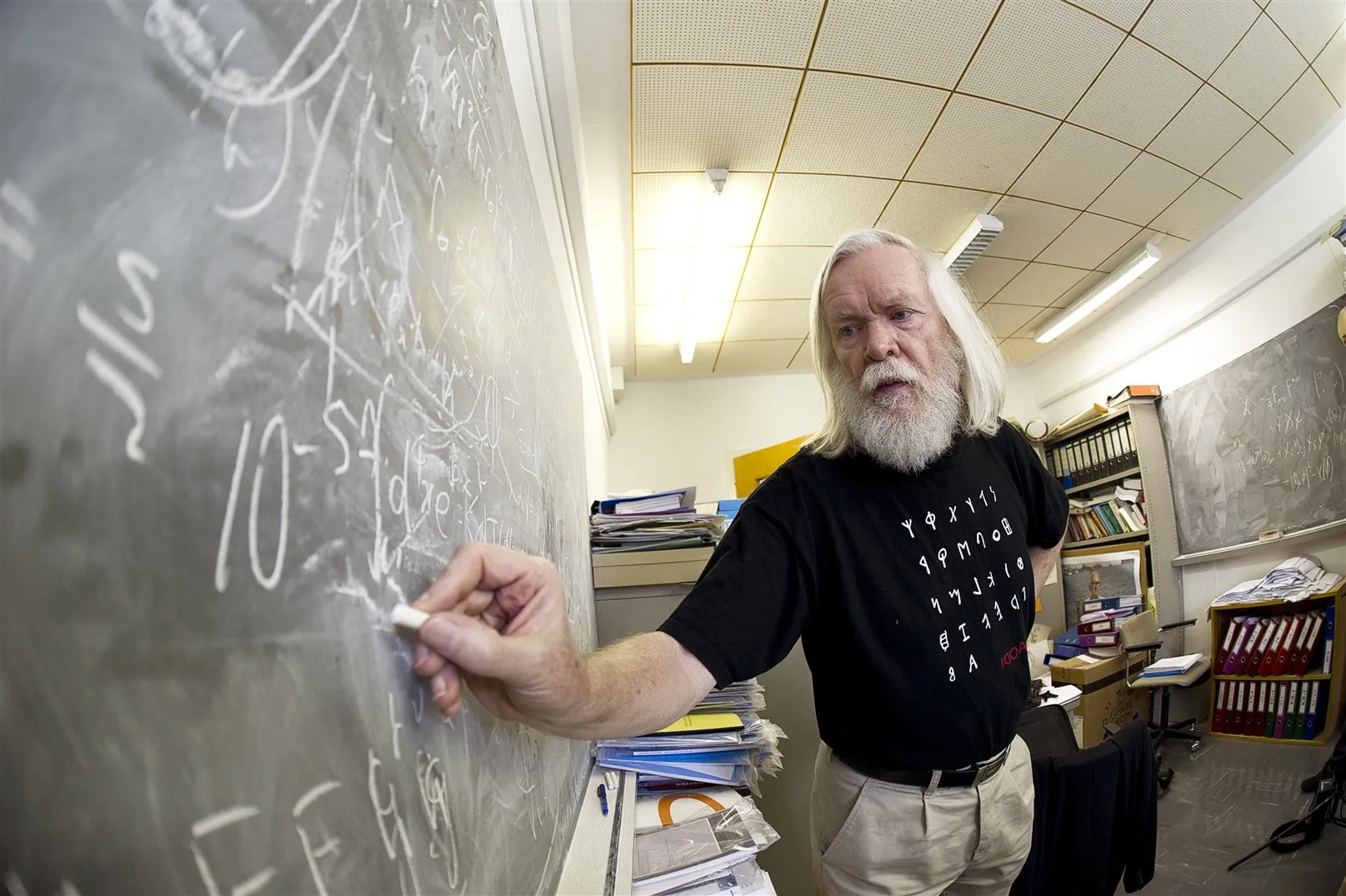
In discussion with John Ellis: The Higgs, Patience and Perseverance in Science
In discussion with John Ellis: The Higgs, Patience and Perseverance in Science by Panos Charitos For John Ellis, the history of the Higgs boson is not a neat, short story that begins with a theory paper and ends with a discovery announcement. It is a long intellectual adventure, beginning in superconductivity, moving through the construction
-
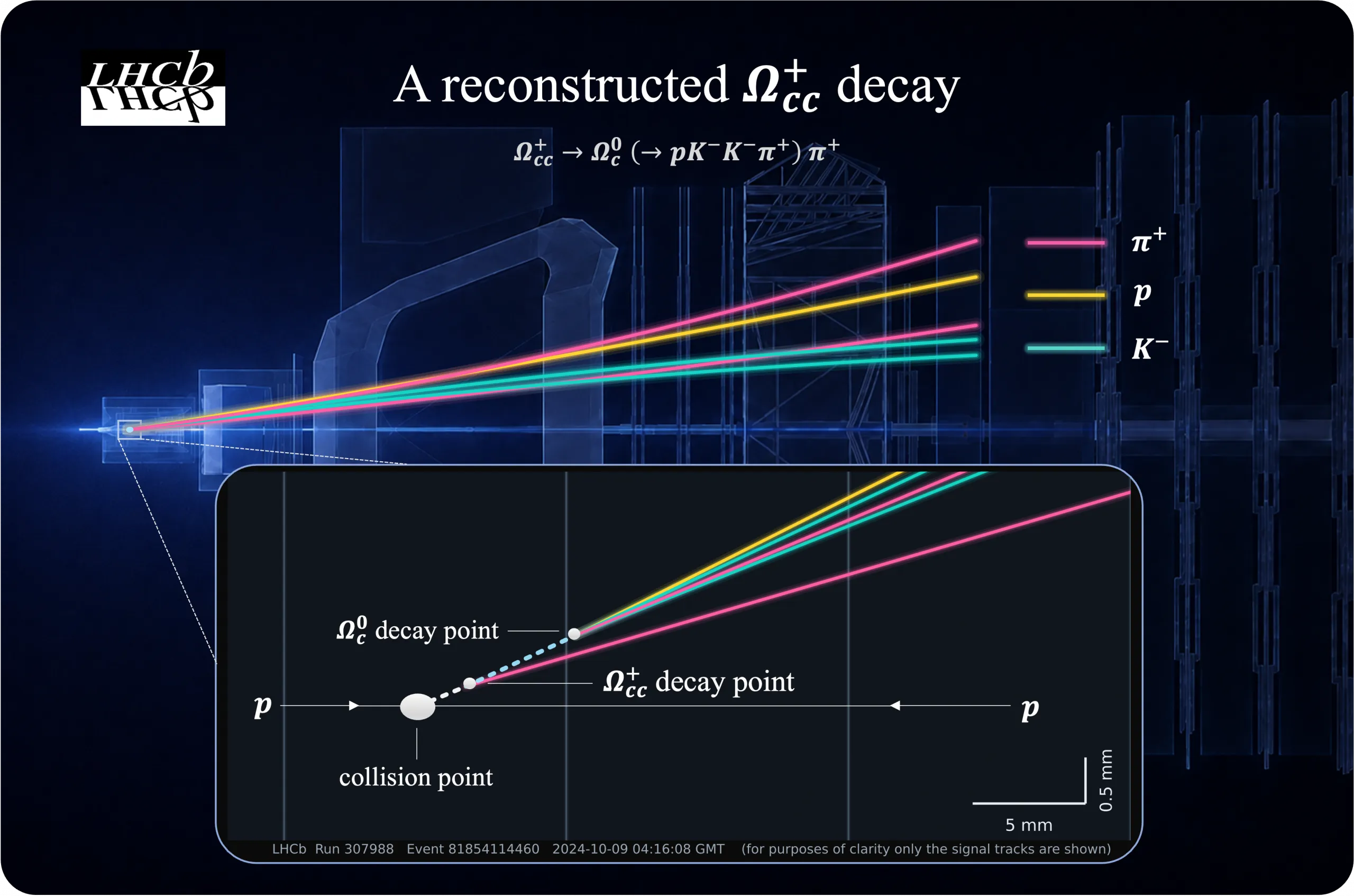
LHCb completes a long-awaited family of doubly charmed baryons
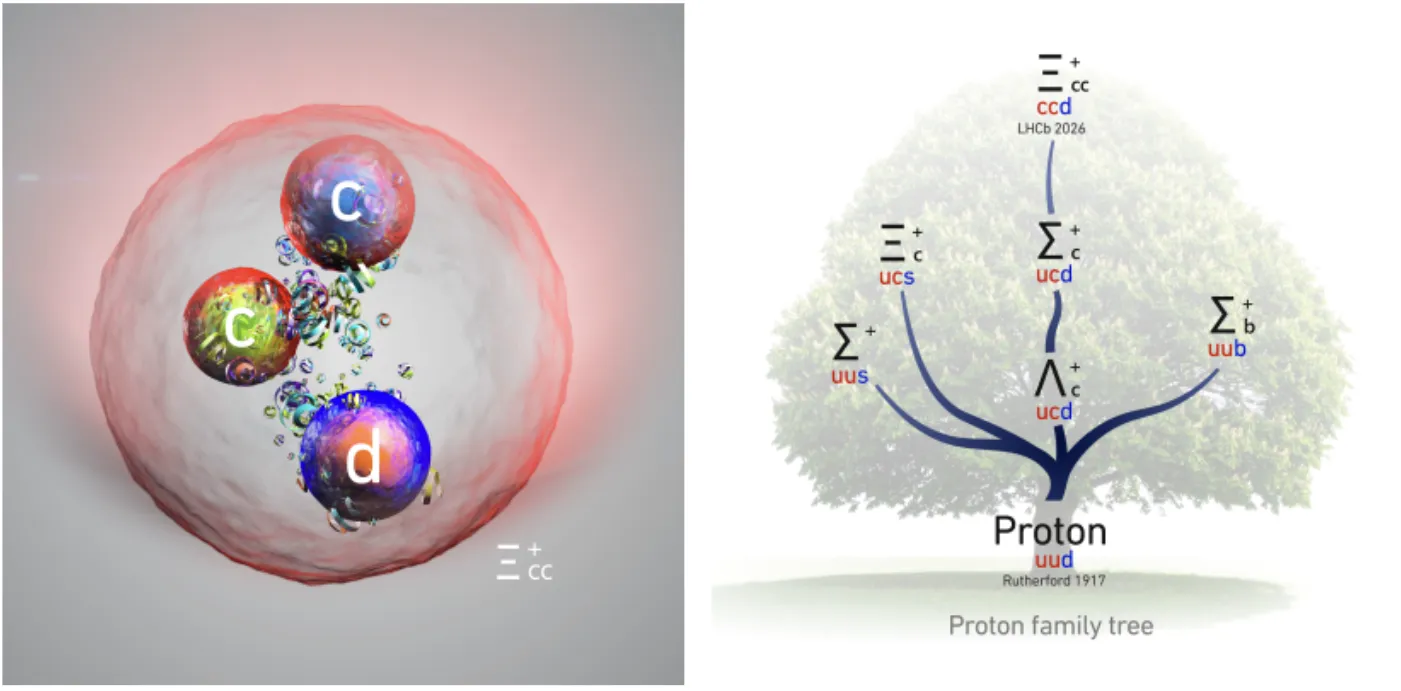
LHCb completes a long-awaited family of doubly charmed baryons More than sixty years ago, particle physics was facing a problem of abundance. New subatomic particles were appearing in experiments, but there was not yet a clear organising principle to explain their relationships. In the early 1960s, Murray Gell-Mann and Yuval Ne’eman independently proposed the “Eightfold
-
FASER opens new windows on dark sectors and TeV neutrino physics
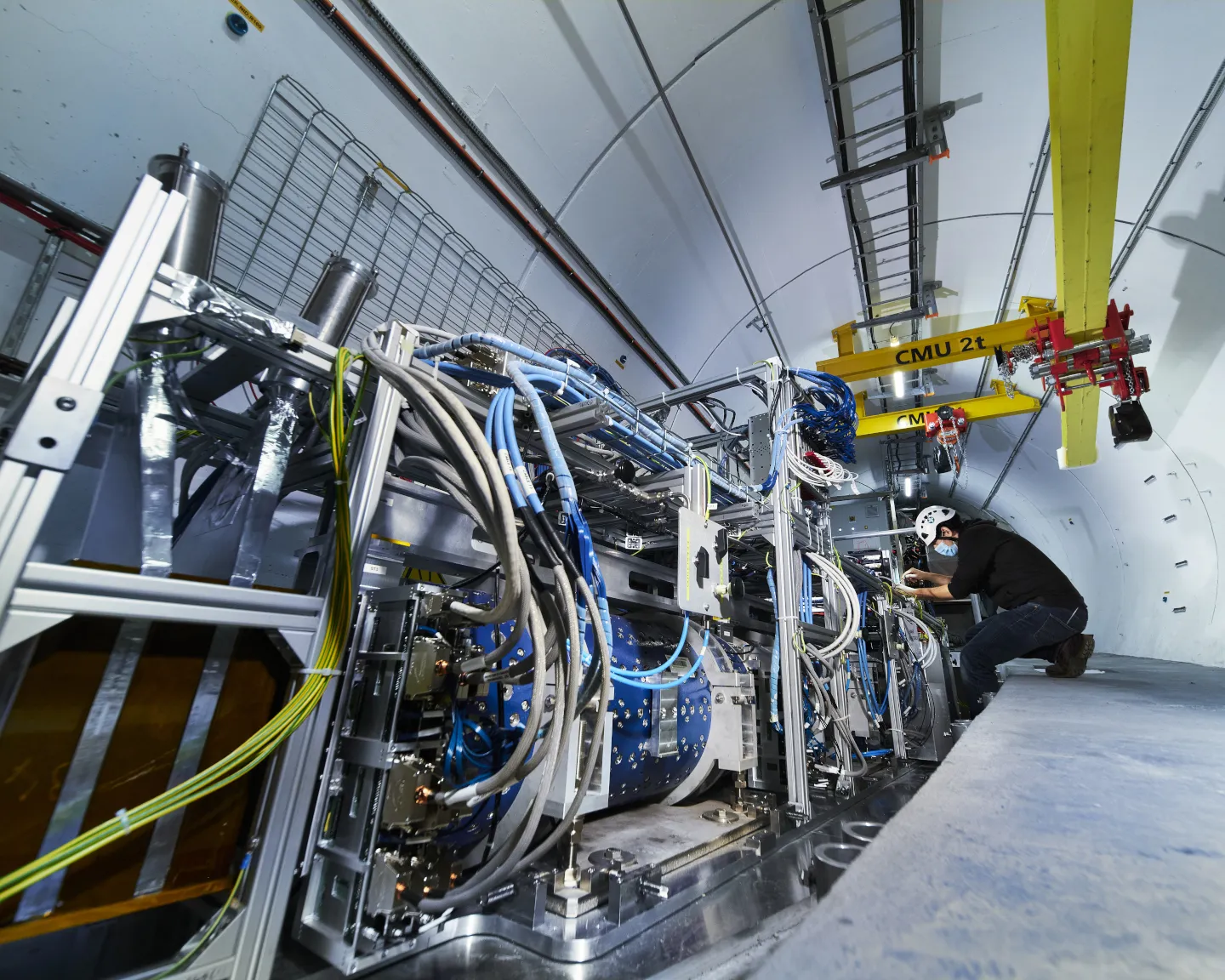
FASER opens new windows on dark sectors and TeV neutrino physics The FASER experiment has presented a series of new results that highlight the growing breadth of its physics programme at the LHC. These include a search for dark photons with the main FASER detector, a first search for neutrino-induced charm production with FASERν, and
-
Doubly charmed baryon doublet completed with upgraded LHCb
Doubly charmed baryon doublet completed with upgraded LHCb The image on the left presents an artist’s impression of this exotic particle, while the diagram on the right shows a kind of “family tree” of the proton, illustrating how heavier relatives emerge when its quarks are replaced by strange (s), charm (c), or bottom (b) quarks.