
Tag: Run 3
-
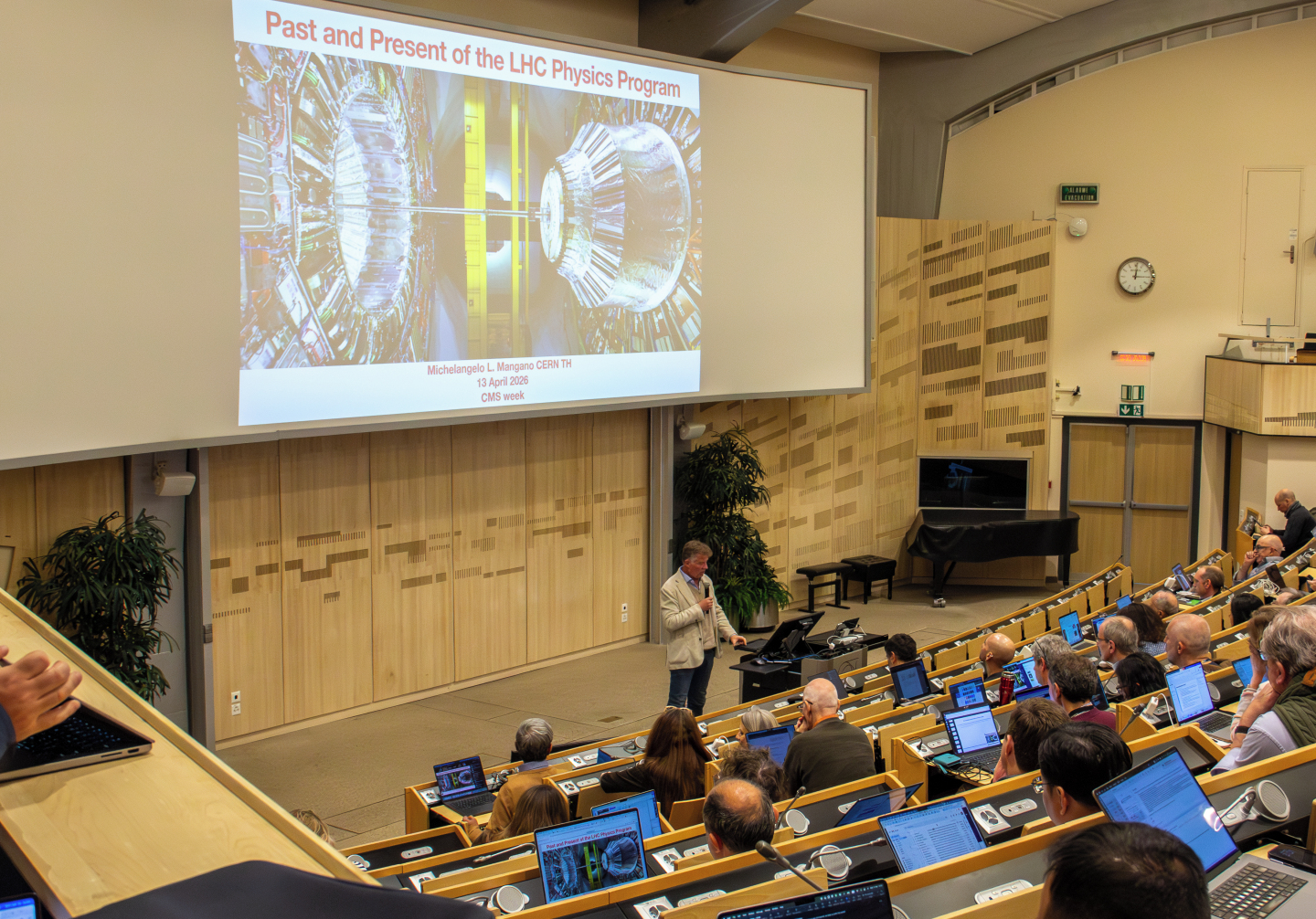
Past and Present of the LHC Physics Programme: A Viewpoint
Before the LHC began operations, expectations were immense. It was not perceived simply as CERN’s next machine after LEP, but as “the next machine after everything”—a collider expected to settle how electroweak symmetry is broken.
-
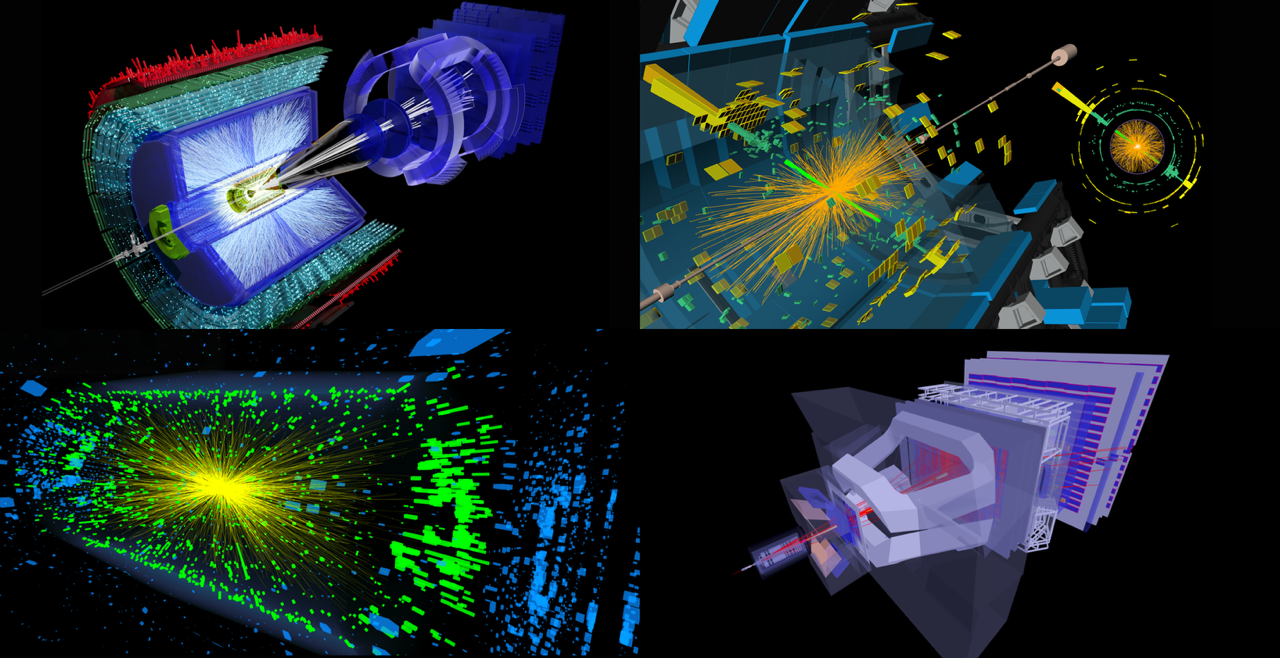
From Run 3 to the next generation: following the transformation of the LHC experiments
From dismantling detector components to installing new technologies, the transition from Run 3 to the next generation of LHC experiments is a major scientific and engineering undertaking. We follow the teams behind this transformation, exploring the challenges inside the experimental caverns and the expertise across CERN’s EP Department that helps turn ambitious upgrade plans into…
-

New Staff Members and Fellows – Autumn 2026
New Staff Members and Fellows – Autumn 2026 Christian Appelt Hello, I’m Christian. I’ve joined EP-ATL-SO as a Research Fellow. I completed professional training as an electronics technician, worked in industry for 5 years, and studied electrical engineering (BEng) and physics (BSc, MSc, PhD). I’ve worked at several research institutes; in ATLAS, I’ve been involved in and am leading long-lived particle searches, the production
-
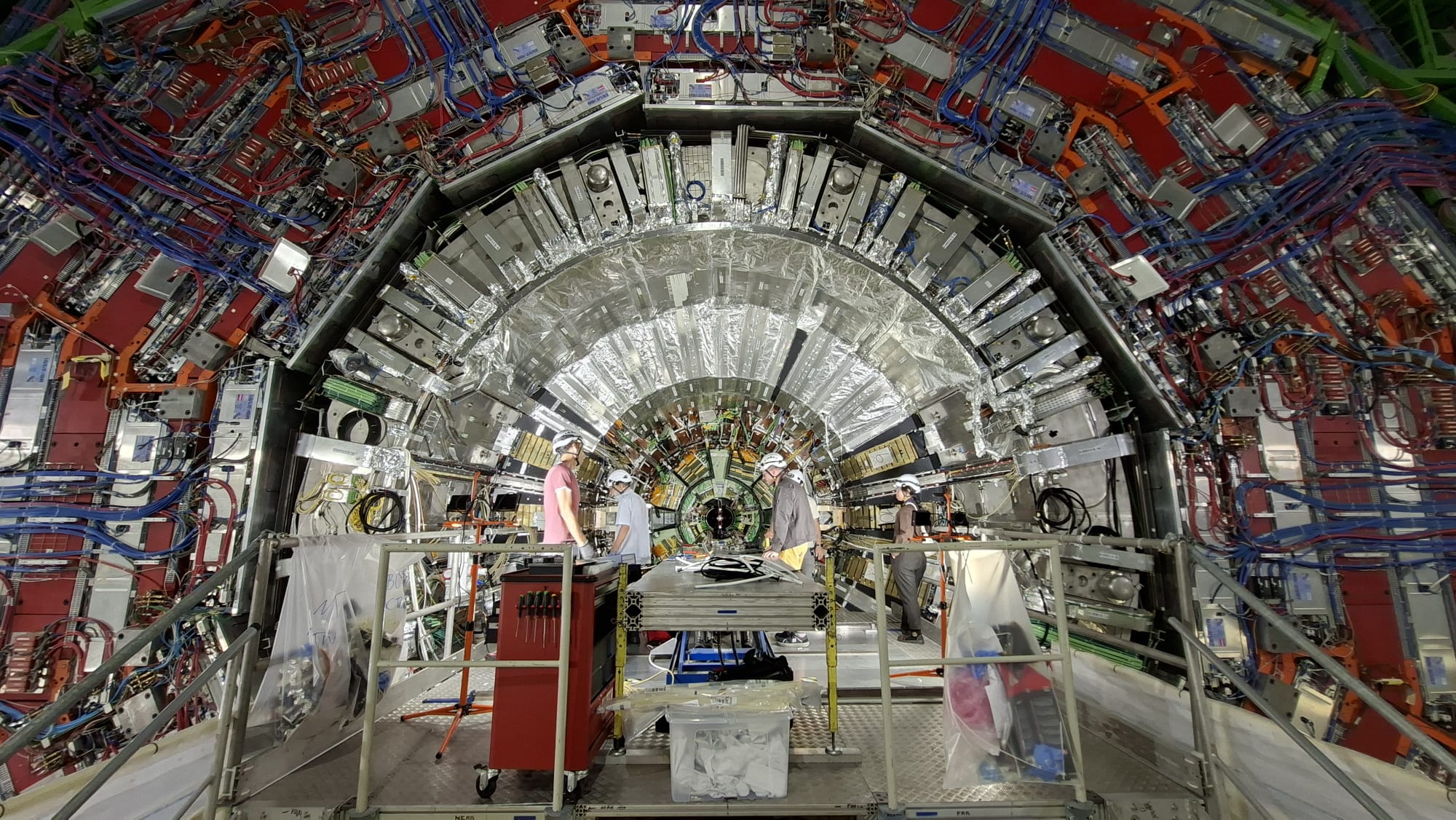
Inside CMS’s LS3 decommissioning challenge
CMS has begun one of the most demanding interventions in its history: the carefully planned removal of around 600 m³ of legacy services. Empty racks and cable trays now reveal the first stage of the detector’s transformation for the High-Luminosity LHC.
-
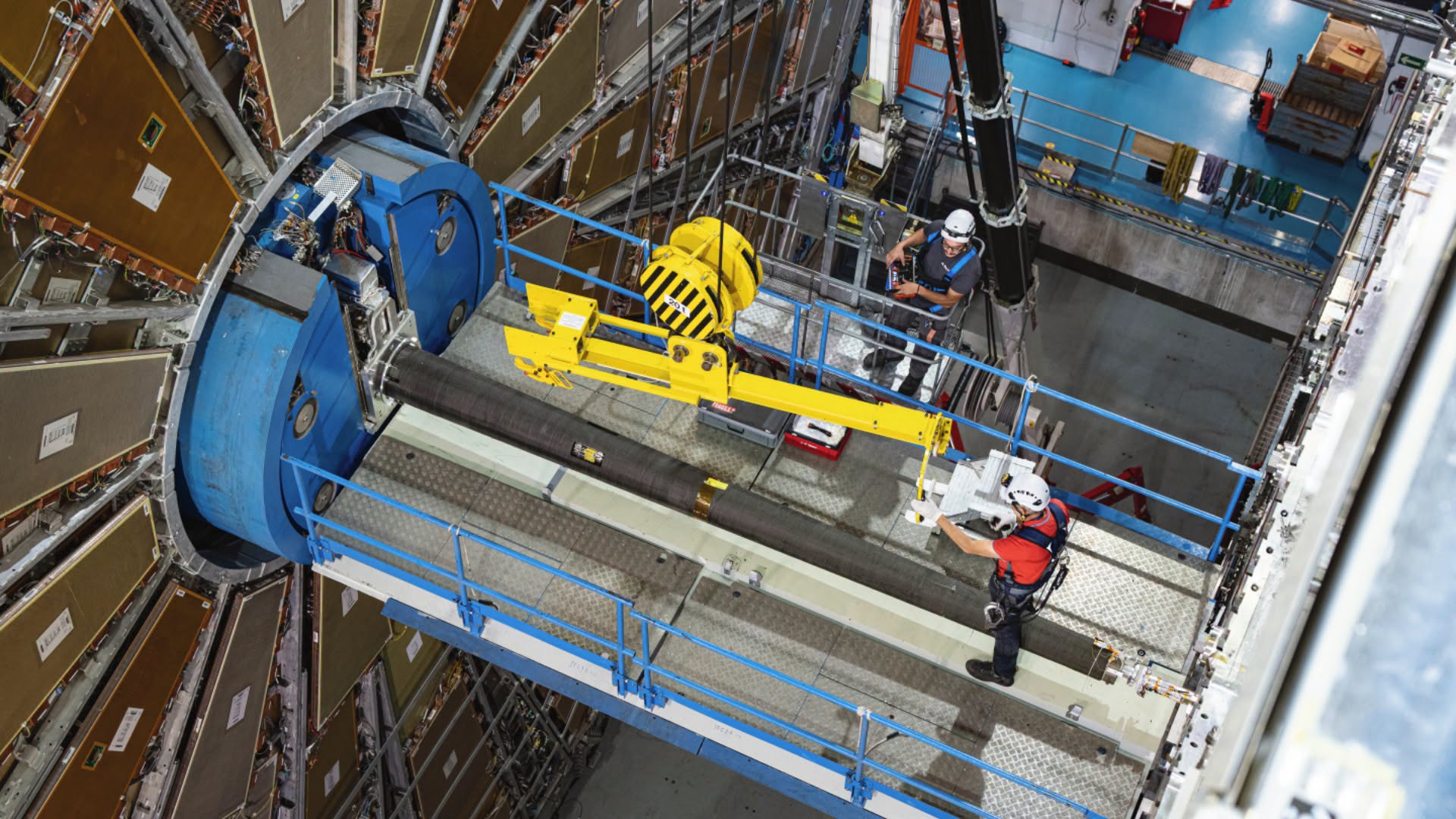
Taking ATLAS apart to build its future
In the first weeks of Long Shutdown 3, ATLAS entered a decisive new phase. Over the next four years, the collaboration will dismantle major parts of the detector and install new tracking, timing, trigger and infrastructure systems for the High-Luminosity LHC. Its technical coordination team reveals the intricate planning, tension and unexpected joy behind this…
-
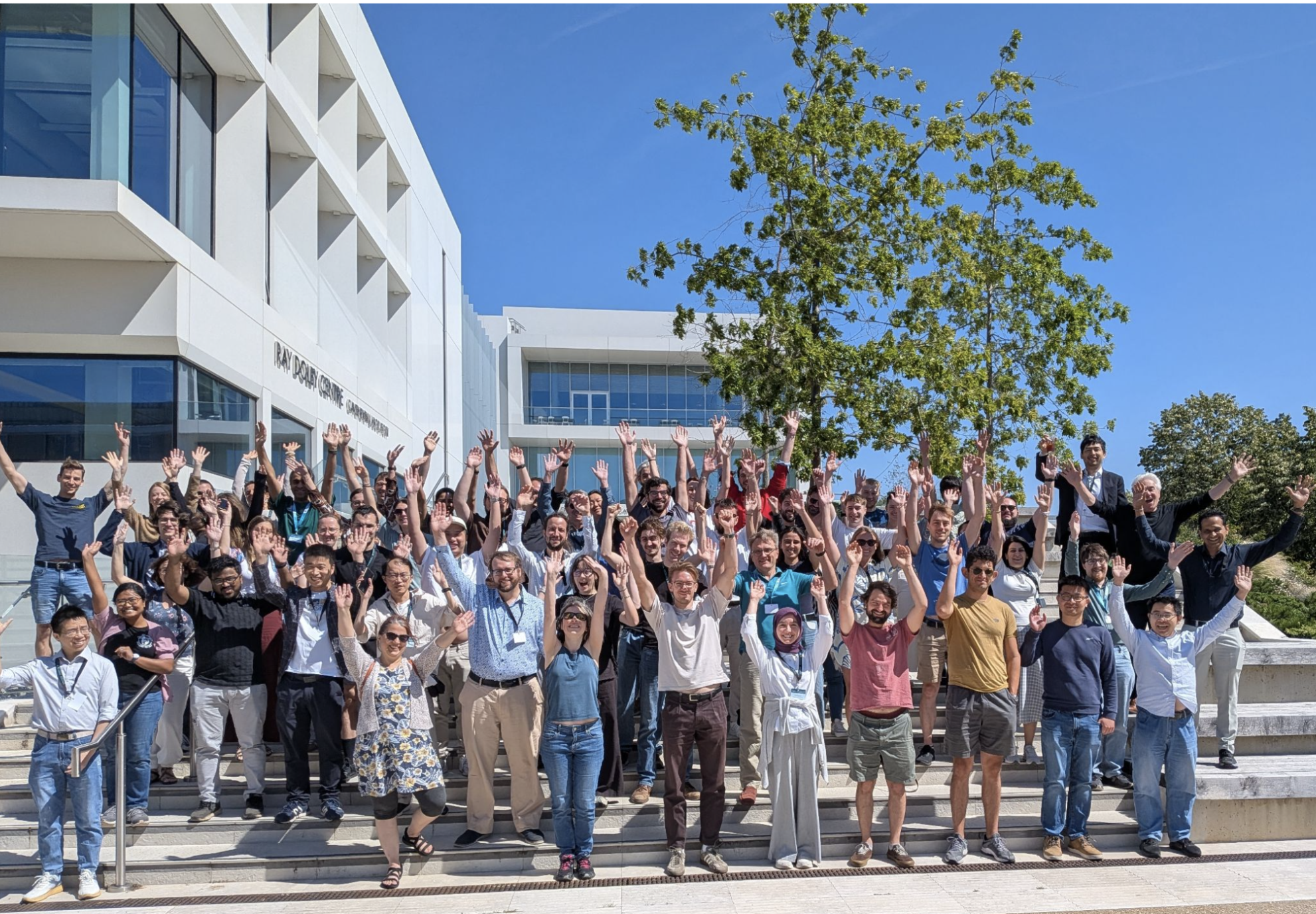
Designing for the unusual: LLP2026 and the lifetime frontier
LLP2026 brought around 80 theorists and experimentalists to Cambridge at a moment of transition for the lifetime frontier. From new searches using Run 3 LHC data and unconventional signatures to prototype detectors and new experimental concepts, the workshop showed how long-recognised blind spots are being turned into concrete experimental capabilities.
-
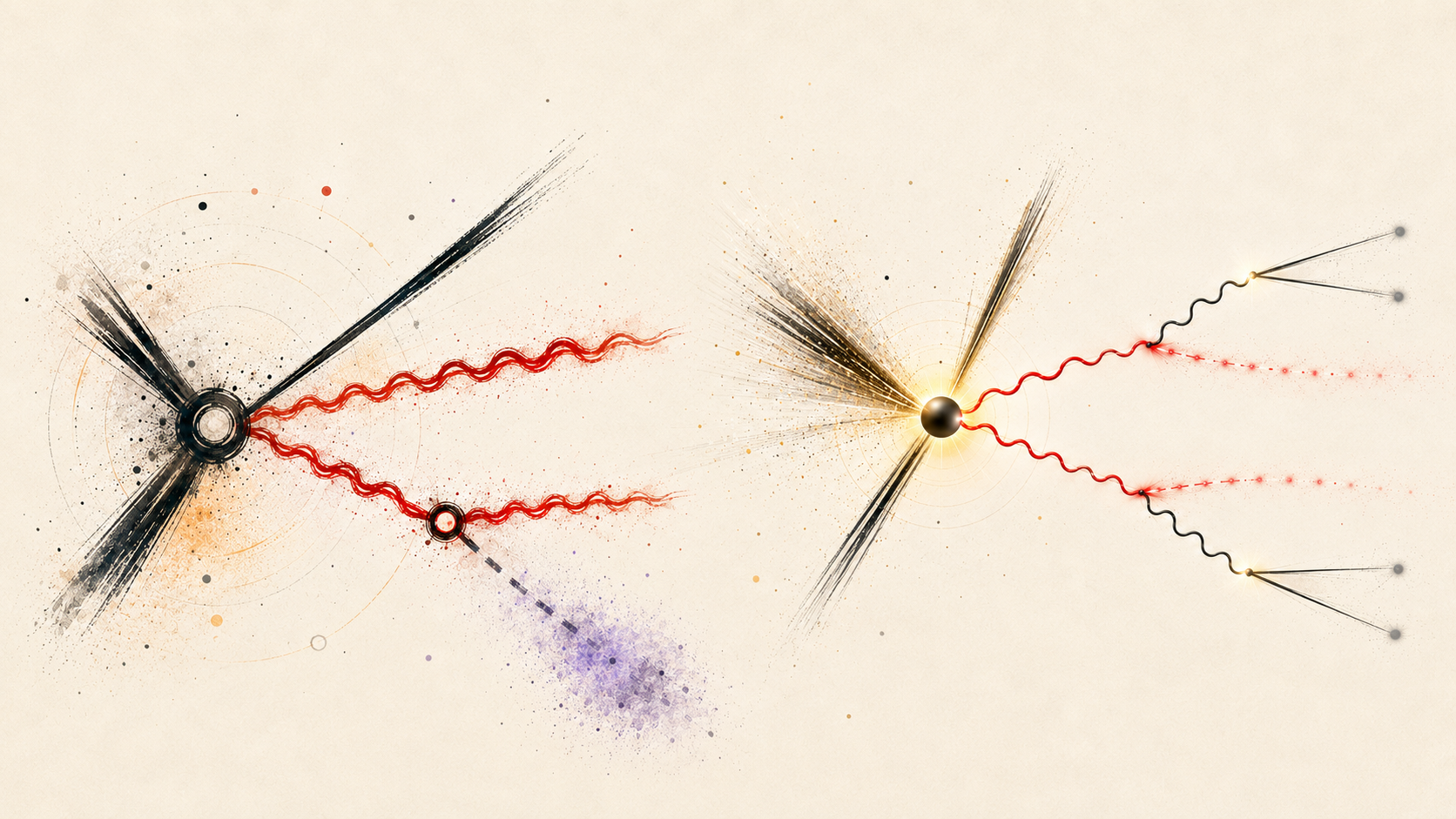
New ATLAS and CMS searches narrow the gap for compressed higgsinos
New ATLAS and CMS searches narrow the gap for compressed higgsinos Supersymmetry plays a prominent role in the landscape of models that push beyond the Standard Model. Higgsinos, the supersymmetric partners of the Higgs boson, may help in addressing a number of unsolved puzzles, particularly if their masses are near the electroweak scale. Not only
-
Towards monitoring in Run 4 and beyond: LHC experiments exchange perspectives on data quality at the HL-LHC
Towards monitoring in Run 4 and beyond: LHC experiments exchange perspectives on data quality at the HL-LHC In March of 2026, experts from ALICE, ATLAS, CMS and LHCb gathered at CERN for a dedicated workshop on Data Quality Monitoring (DQM), bringing together developers, coordinators and detector specialists to discuss how the LHC experiments monitor the
-
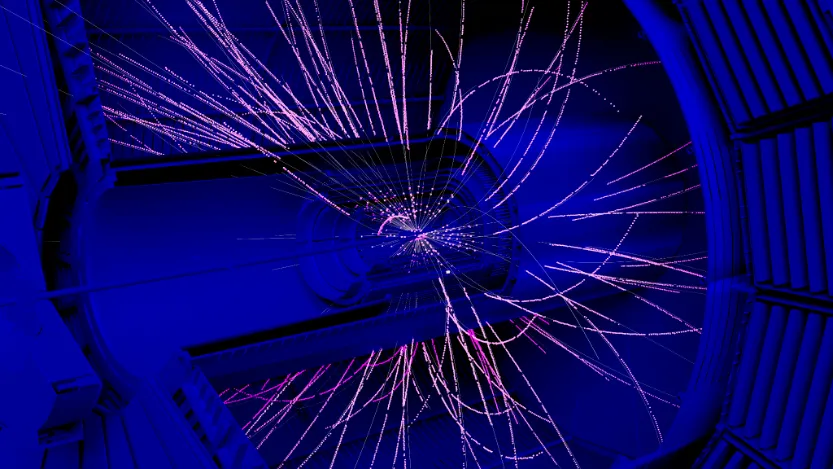
Online use of AI within ALICE
Online use of AI within ALICE A reconstructed event of particles in the ALICE TPC, with data taken with the neural network cluster finding algorithm. Pink dots are reconstructed clusters. AI applications have rapidly expanded in everyday life, and ALICE, among other high-energy physics experiments at CERN, is increasingly exploring their use in fundamental physics
-
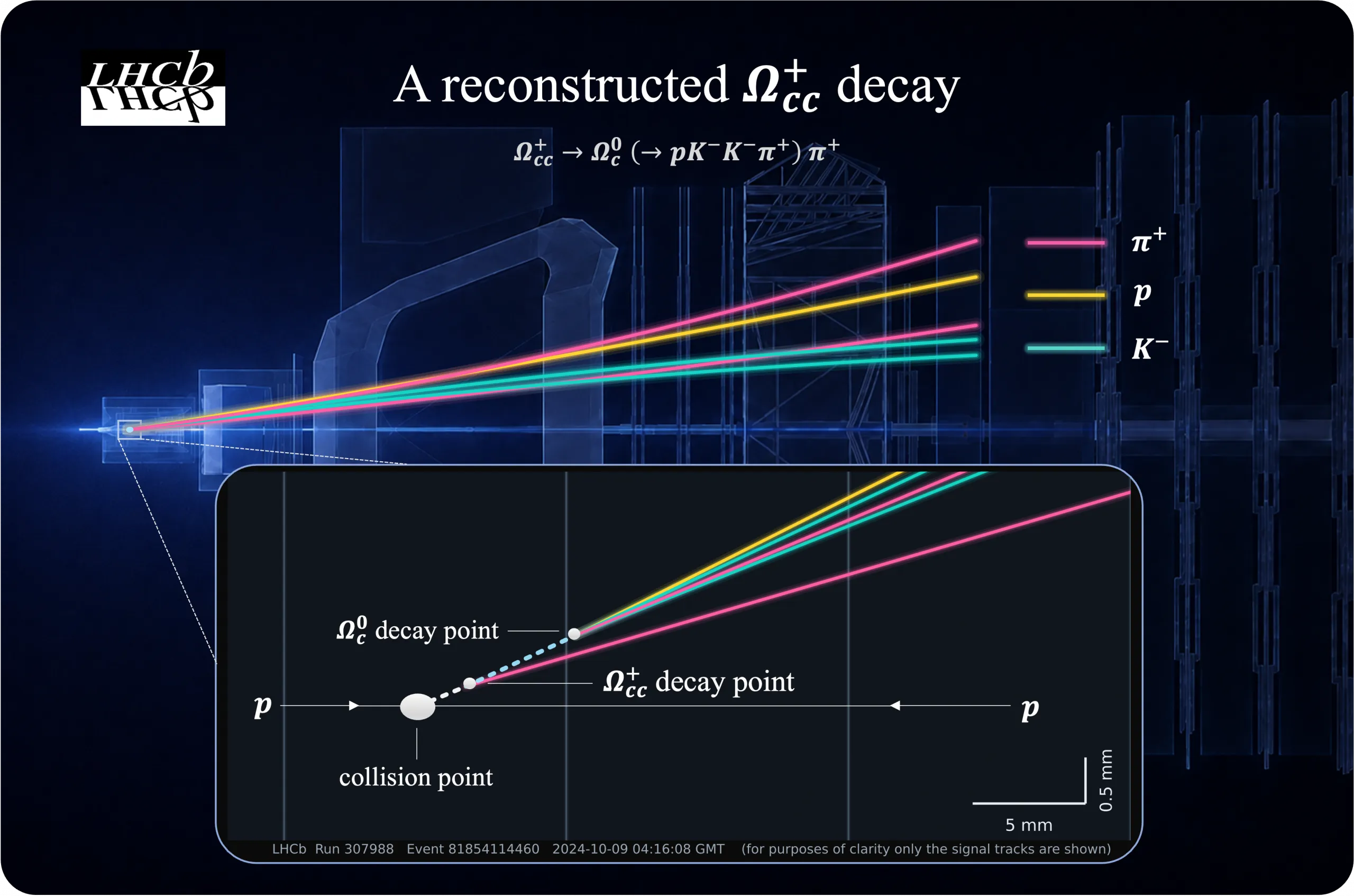
LHCb completes a long-awaited family of doubly charmed baryons
LHCb completes a long-awaited family of doubly charmed baryons More than sixty years ago, particle physics was facing a problem of abundance. New subatomic particles were appearing in experiments, but there was not yet a clear organising principle to explain their relationships. In the early 1960s, Murray Gell-Mann and Yuval Ne’eman independently proposed the “Eightfold