
Tag: hardware
-
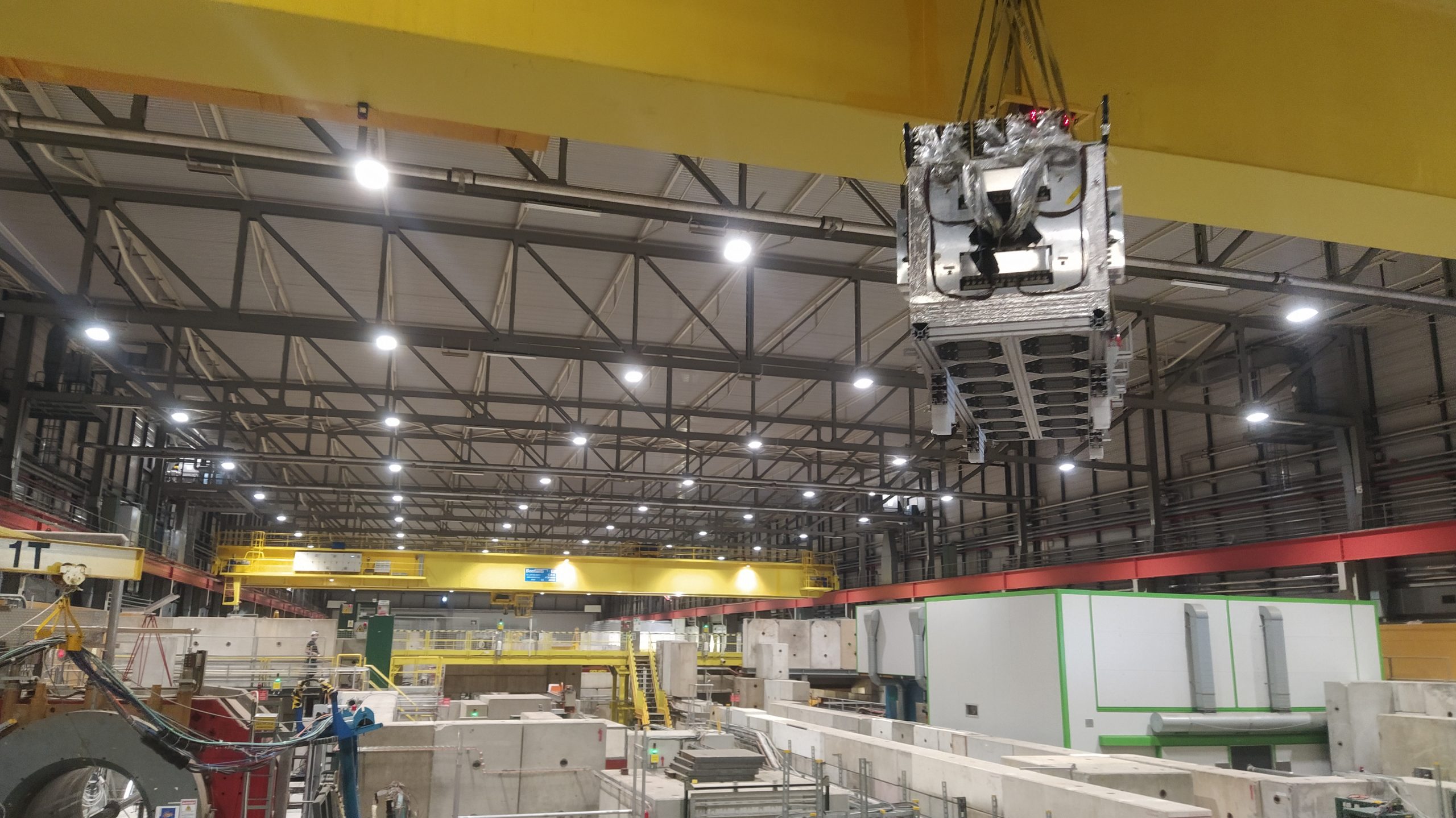
The last beam tests before LS3 boost FCC-ee detector technologies
The last beam tests before LS3 boost FCC-ee detector technologies by Hector Garcia Morales (CERN, FCC-PED group) In one of the last opportunities to test detector prototypes before CERN’s accelerator complex enters Long Shutdown 3, a beam test campaign brought together different teams from across the world to test FCC-ee detector technologies. To date, six
-
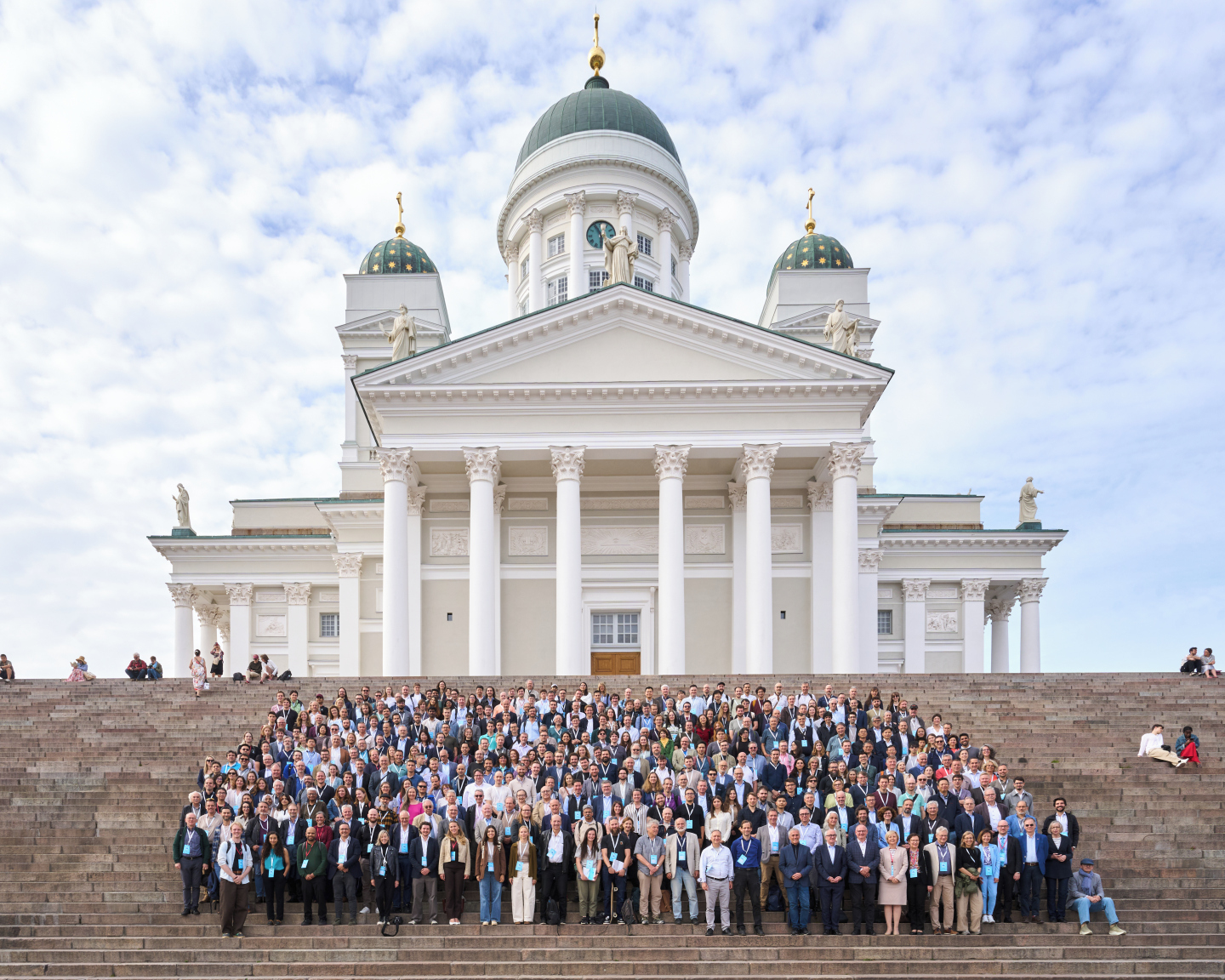
FCC Week 2026: from scientific ambition to an integrated design
FCC Week 2026: from scientific ambition to an integrated design by Panos Charitos (CERN) This year’s annual conference brought together 656 participants in Helsinki to examine how the Future Circular Collider study can move from feasibility demonstration towards a coherent reference design. With its primary focus on FCC-ee, the meeting presented a project in which
-
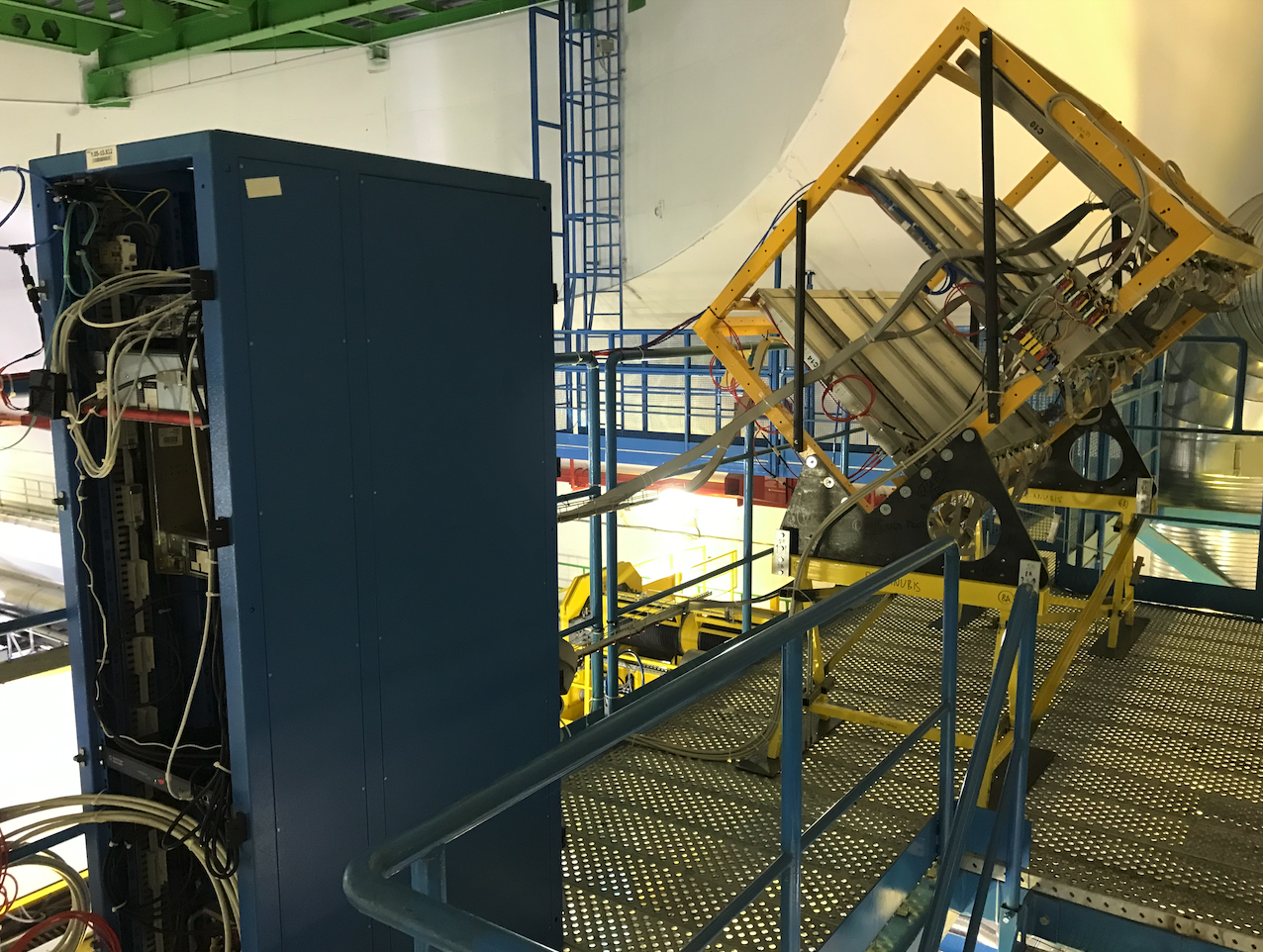
ANUBIS: from prototype to Letter of Intent
The proANUBIS demonstrator has completed data taking in the ATLAS cavern, showing that its detector technology delivers the efficiency and timing precision required to search for long-lived particles. These results strengthen the case for the full ANUBIS experiment, which would extend ATLAS’s reach into a largely unexplored region of new physics.
-
colibri: CERN VHDL Common Library released for Everyone to Use
CERN has released colibri, an open-source library designed to make FPGA gateware more portable, reliable and independent of individual vendors. Developed with support from the CERN EP R&D programme, it provides more than 100 verified VHDL components and is already used by over ten projects within and beyond CERN.
-
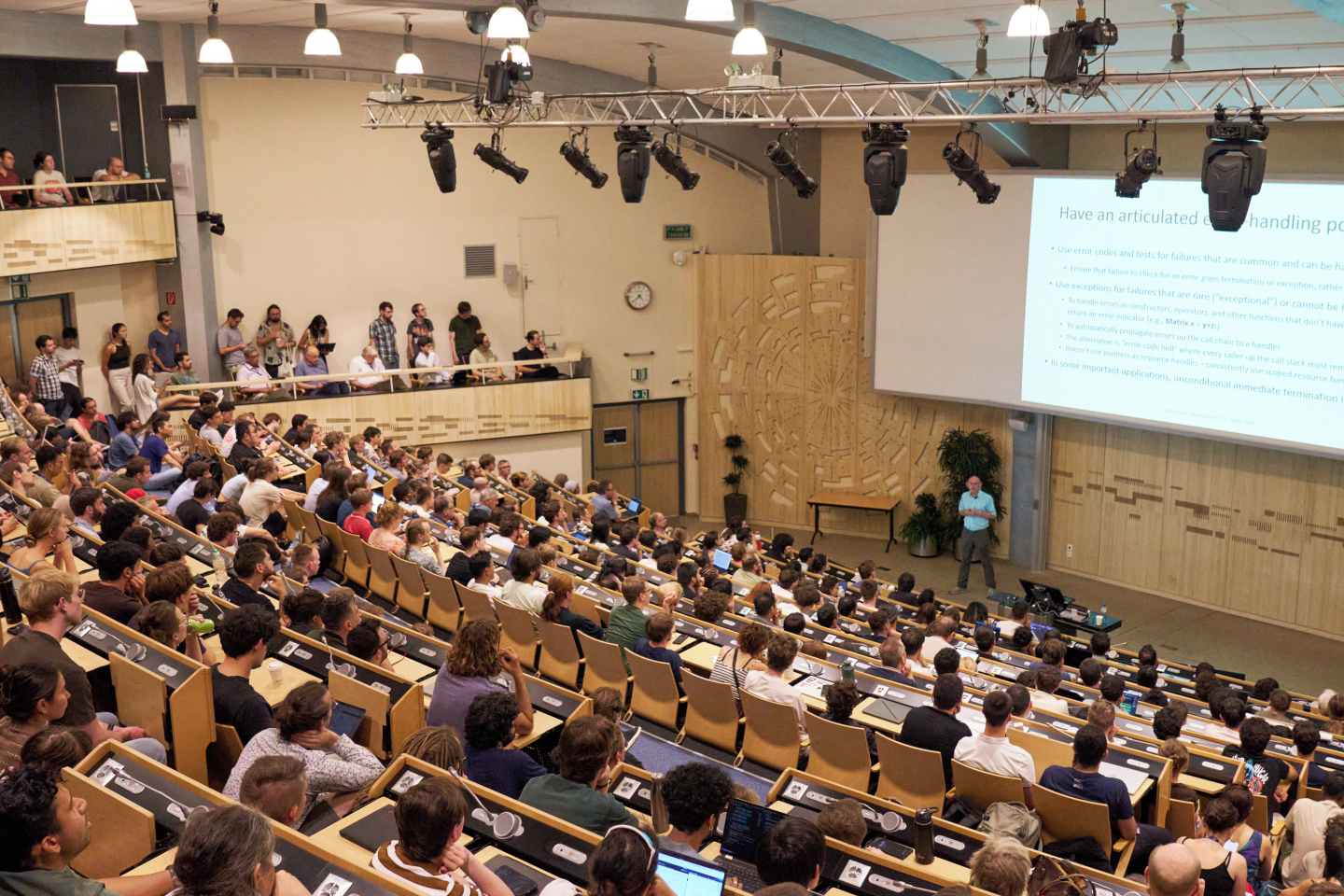
CERN STEAM Academy puts the future of scientific software centre stage
C++ creator Bjarne Stroustrup returned to CERN for a packed STEAM Academy seminar on the future of scientific software. From safer programming and simpler code to new language features and the demands of long-lived research infrastructure, he explored how C++ can continue to evolve alongside the computing challenges of modern science.
-
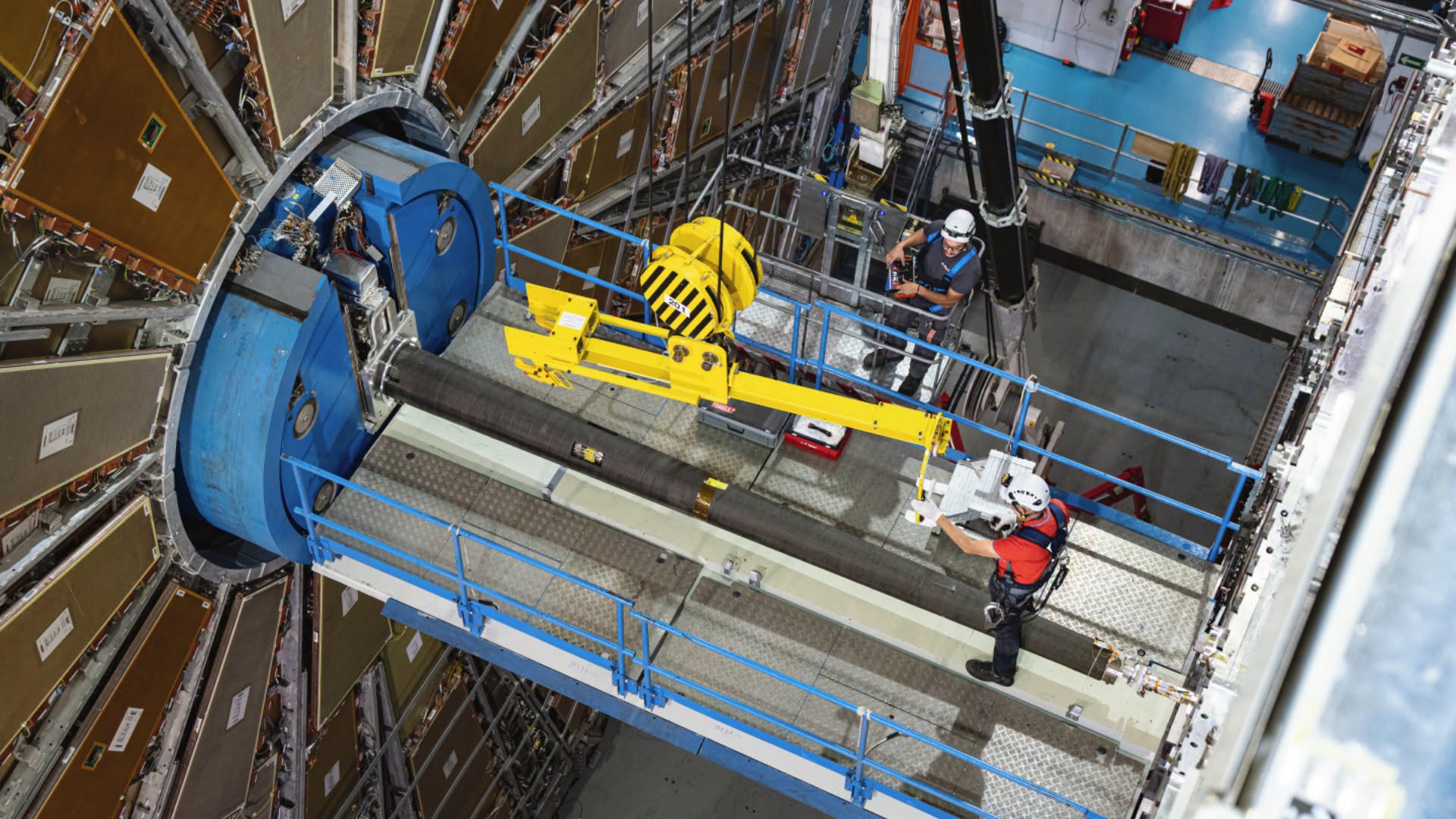
Taking ATLAS apart to build its future
In the first weeks of Long Shutdown 3, ATLAS entered a decisive new phase. Over the next four years, the collaboration will dismantle major parts of the detector and install new tracking, timing, trigger and infrastructure systems for the High-Luminosity LHC. Its technical coordination team reveals the intricate planning, tension and unexpected joy behind this…
-
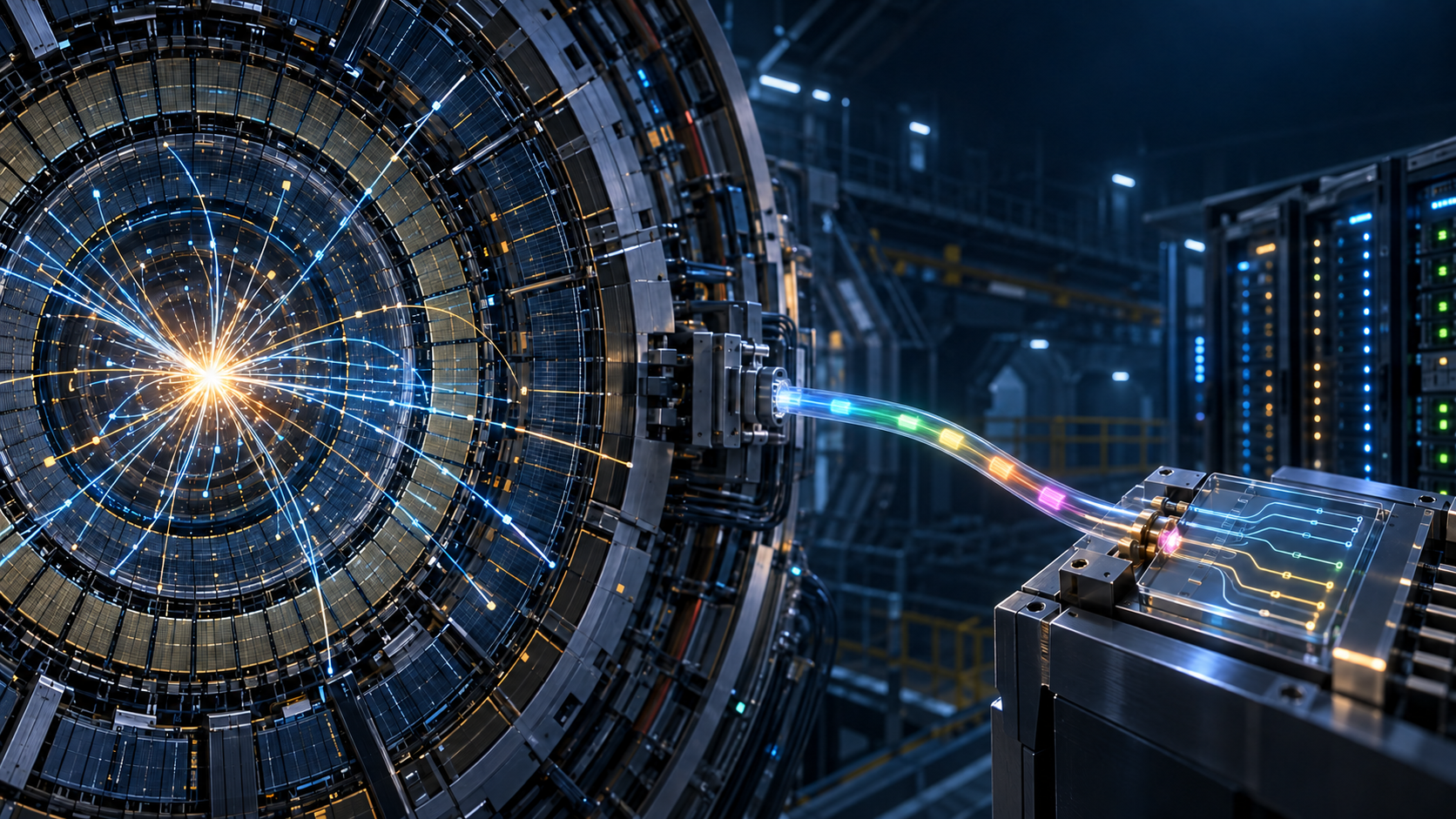
A Hundred Gigabits per Fibre: Silicon Photonics Links for the Detectors of Tomorrow
The High-Speed Links Work Package (WP6) of the EP R&D programme is developing the radiation-tolerant, high-bandwidth optical links needed for future particle detectors. Combining custom ASICs, Silicon Photonics and FPGA-based back-end systems, the team is now moving towards integrated demonstrations in an experimental context.
-
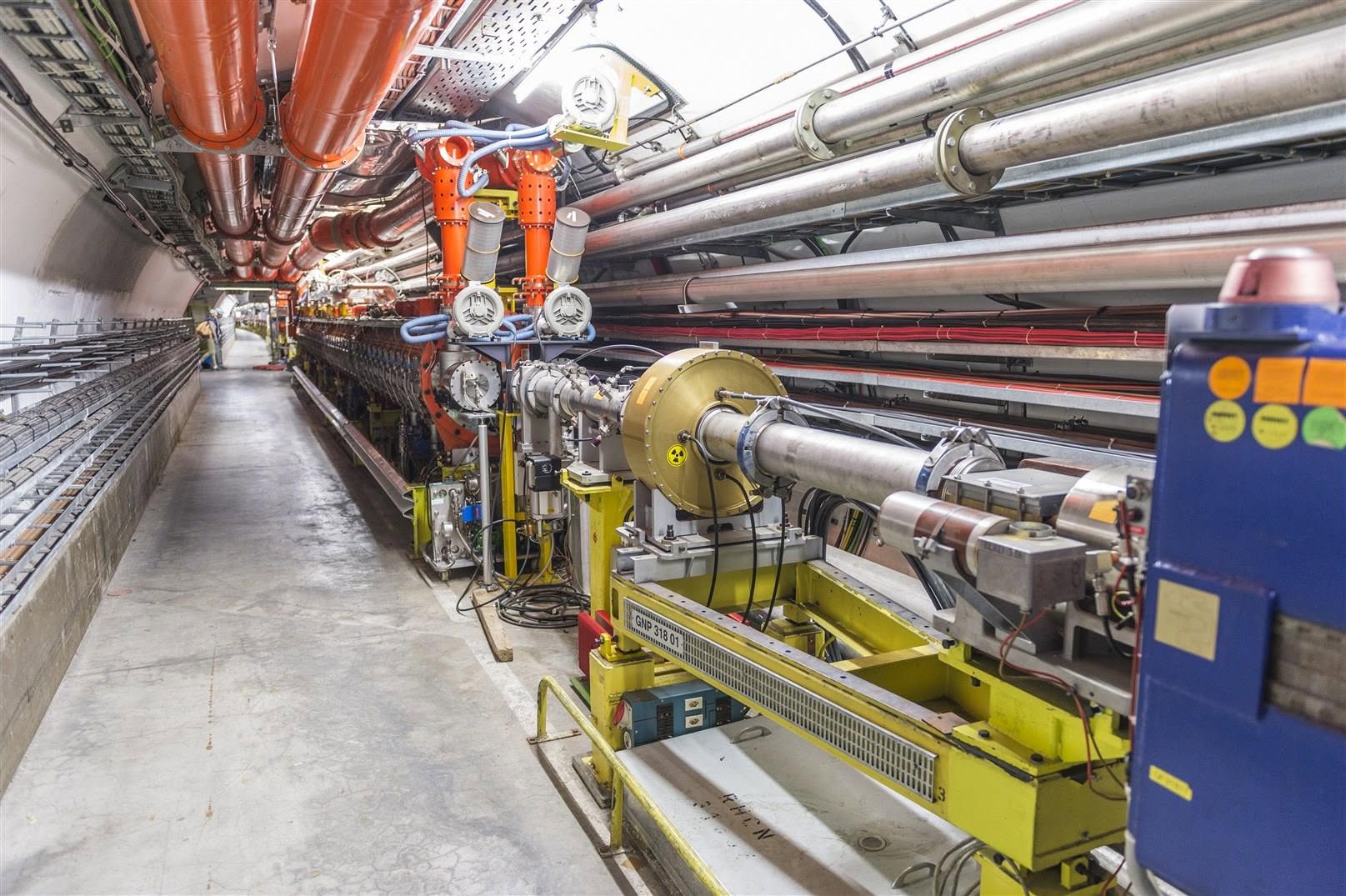
From beam dumps to missing energy: the SPS search for hidden particles
For more than four decades, CERN’s Super Proton Synchrotron has served as a testing ground for new ways to search for particles that interact only feebly with ordinary matter. In a recent lecture, NA64 co-spokesperson Paolo Crivelli traced the evolution of this programme – from the first beam-dump experiments to missing-energy and missing-momentum searches, precision…
-
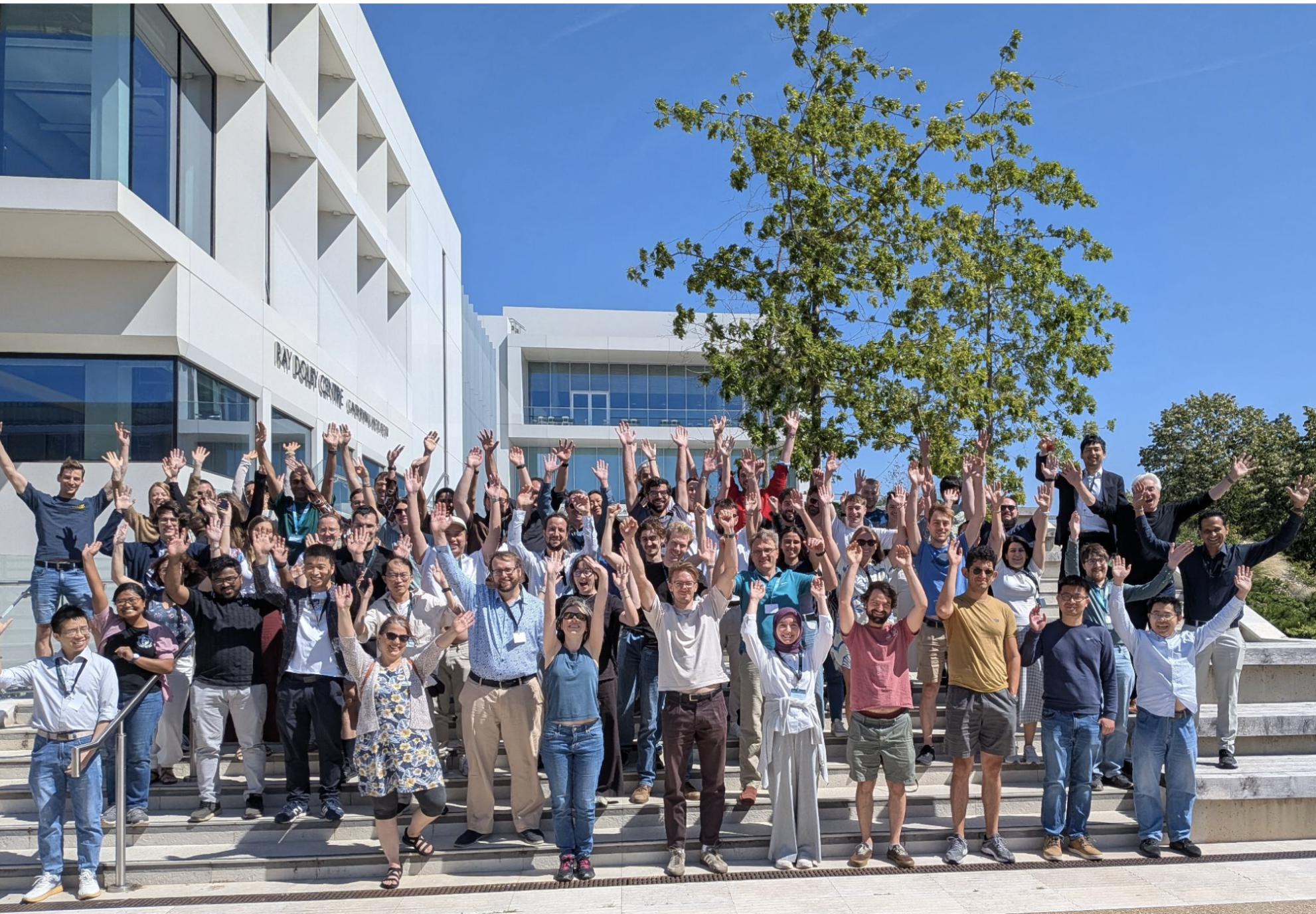
Designing for the unusual: LLP2026 and the lifetime frontier
LLP2026 brought around 80 theorists and experimentalists to Cambridge at a moment of transition for the lifetime frontier. From new searches using Run 3 LHC data and unconventional signatures to prototype detectors and new experimental concepts, the workshop showed how long-recognised blind spots are being turned into concrete experimental capabilities.
-
Bundling Forces for Future Online Computing: Introducing the CDO Projec
Discover the Control Acquisition and Online Computing (CDO) Project, an initiative of the Experimental Physics Department that brings together diverse expertise, ideas and perspectives to strengthen collaboration across the community.