
Tag: electronics
-
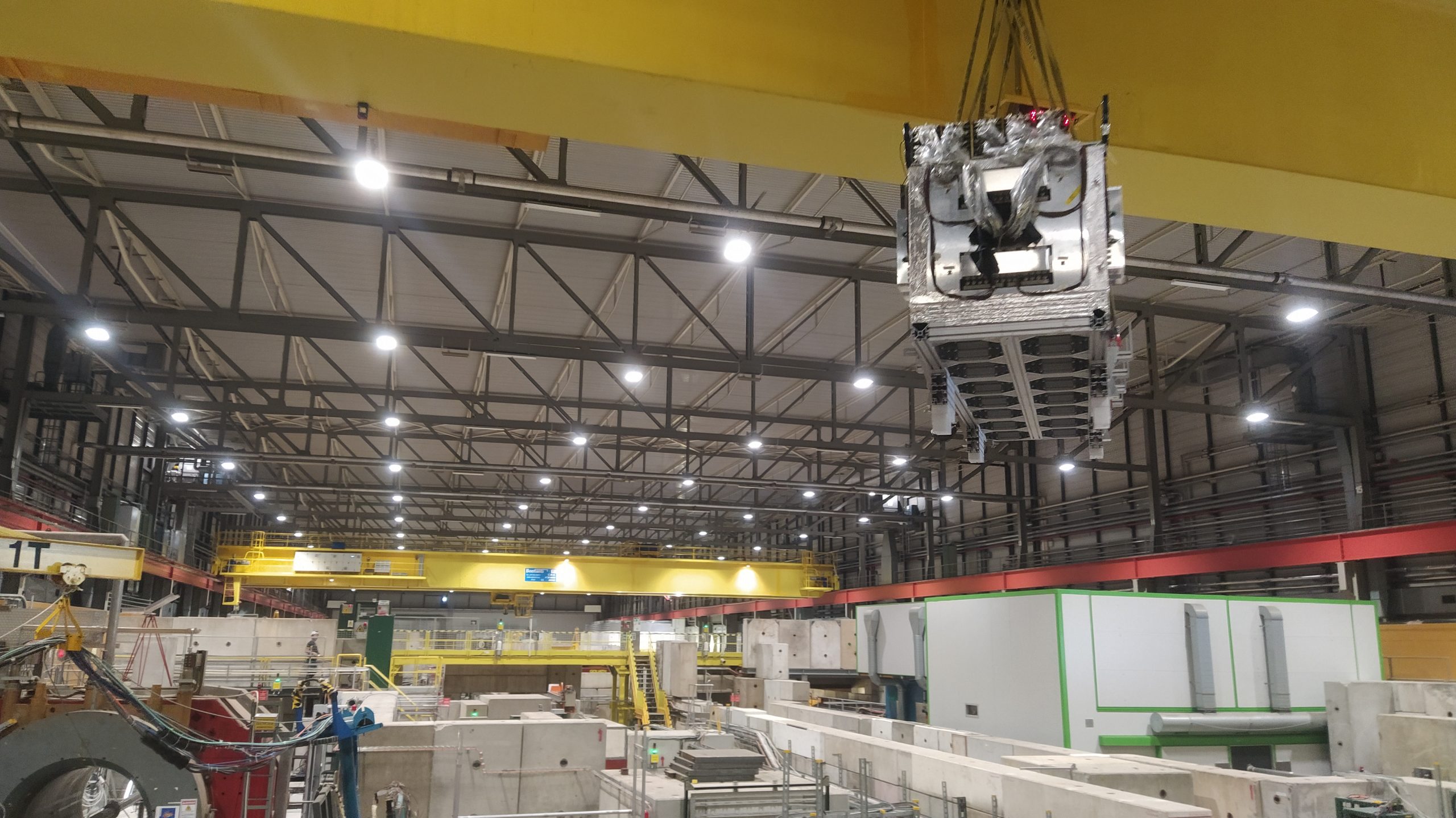
The last beam tests before LS3 boost FCC-ee detector technologies
The last beam tests before LS3 boost FCC-ee detector technologies by Hector Garcia Morales (CERN, FCC-PED group) In one of the last opportunities to test detector prototypes before CERN’s accelerator complex enters Long Shutdown 3, a beam test campaign brought together different teams from across the world to test FCC-ee detector technologies. To date, six
-
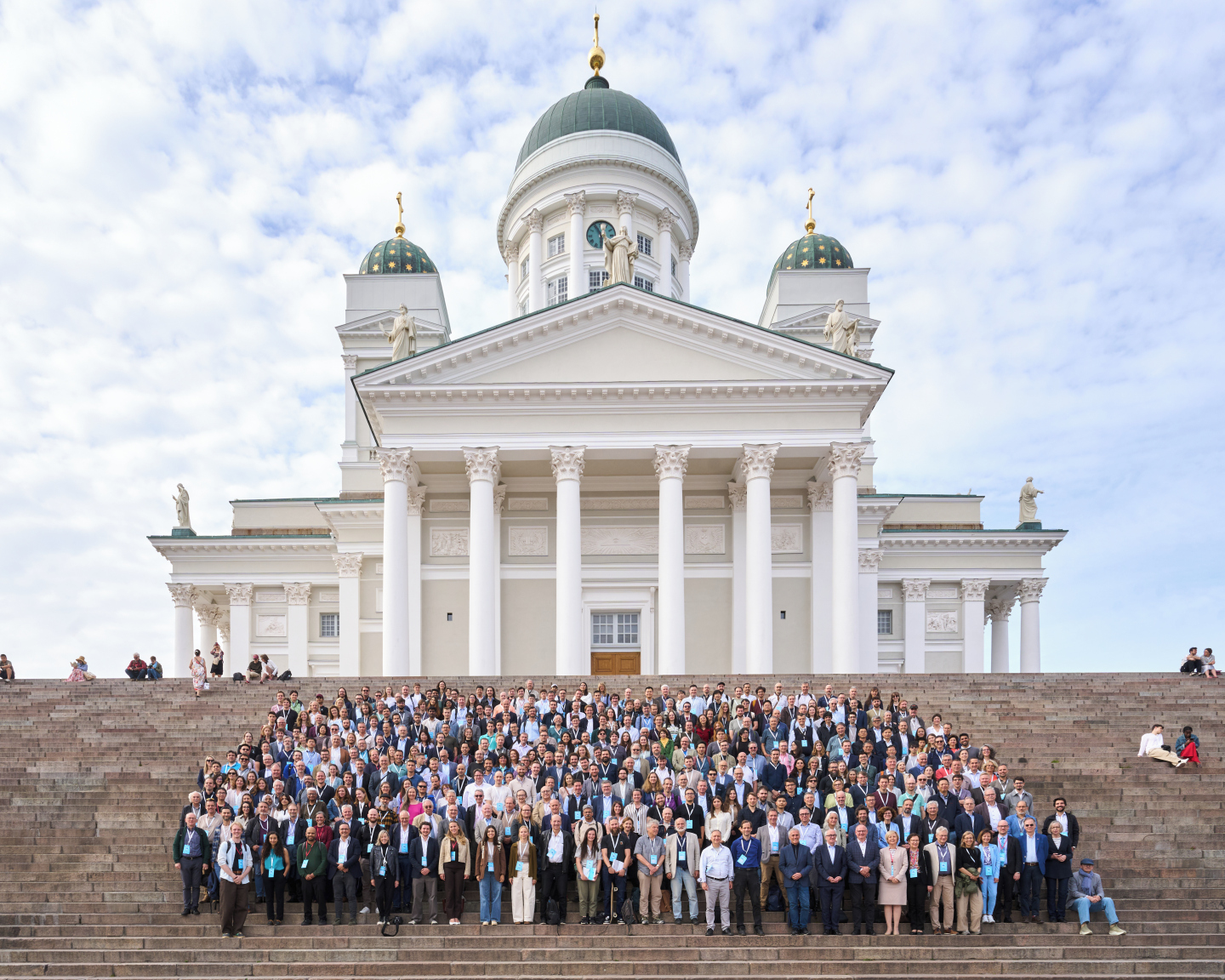
FCC Week 2026: from scientific ambition to an integrated design
FCC Week 2026: from scientific ambition to an integrated design by Panos Charitos (CERN) This year’s annual conference brought together 656 participants in Helsinki to examine how the Future Circular Collider study can move from feasibility demonstration towards a coherent reference design. With its primary focus on FCC-ee, the meeting presented a project in which
-
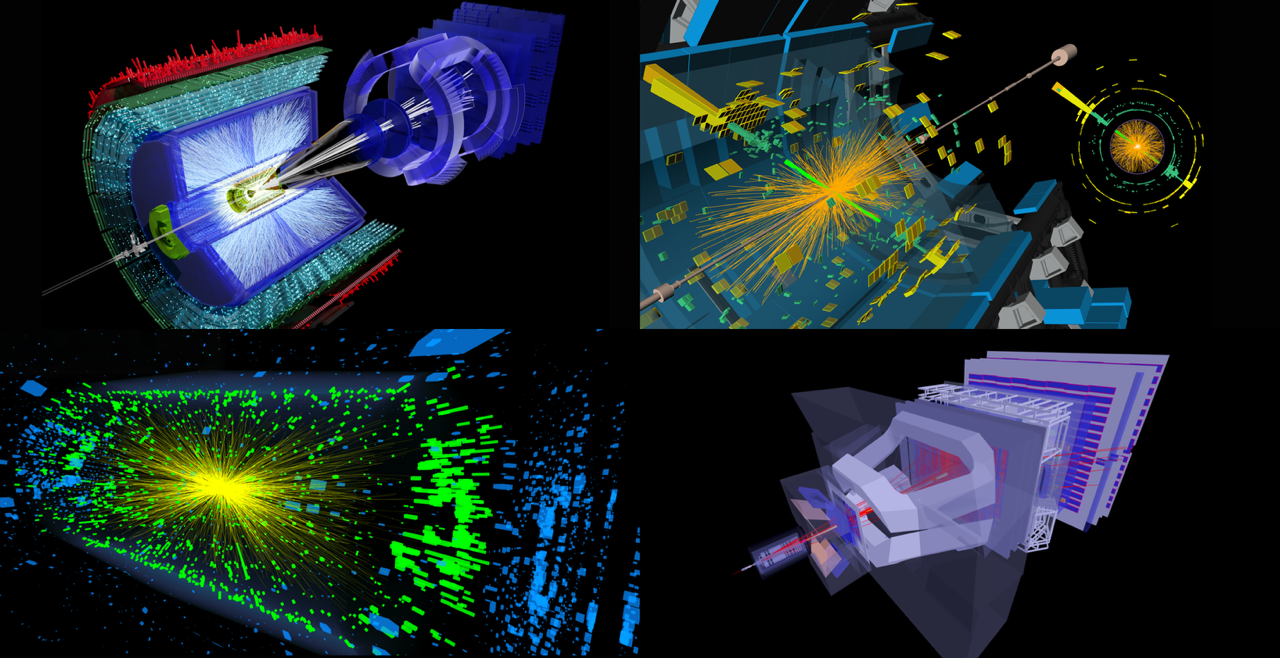
From Run 3 to the next generation: following the transformation of the LHC experiments
From dismantling detector components to installing new technologies, the transition from Run 3 to the next generation of LHC experiments is a major scientific and engineering undertaking. We follow the teams behind this transformation, exploring the challenges inside the experimental caverns and the expertise across CERN’s EP Department that helps turn ambitious upgrade plans into…
-
New Staff Members and Fellows – Autumn 2026
New Staff Members and Fellows – Autumn 2026 Christian Appelt Hello, I’m Christian. I’ve joined EP-ATL-SO as a Research Fellow. I completed professional training as an electronics technician, worked in industry for 5 years, and studied electrical engineering (BEng) and physics (BSc, MSc, PhD). I’ve worked at several research institutes; in ATLAS, I’ve been involved in and am leading long-lived particle searches, the production
-
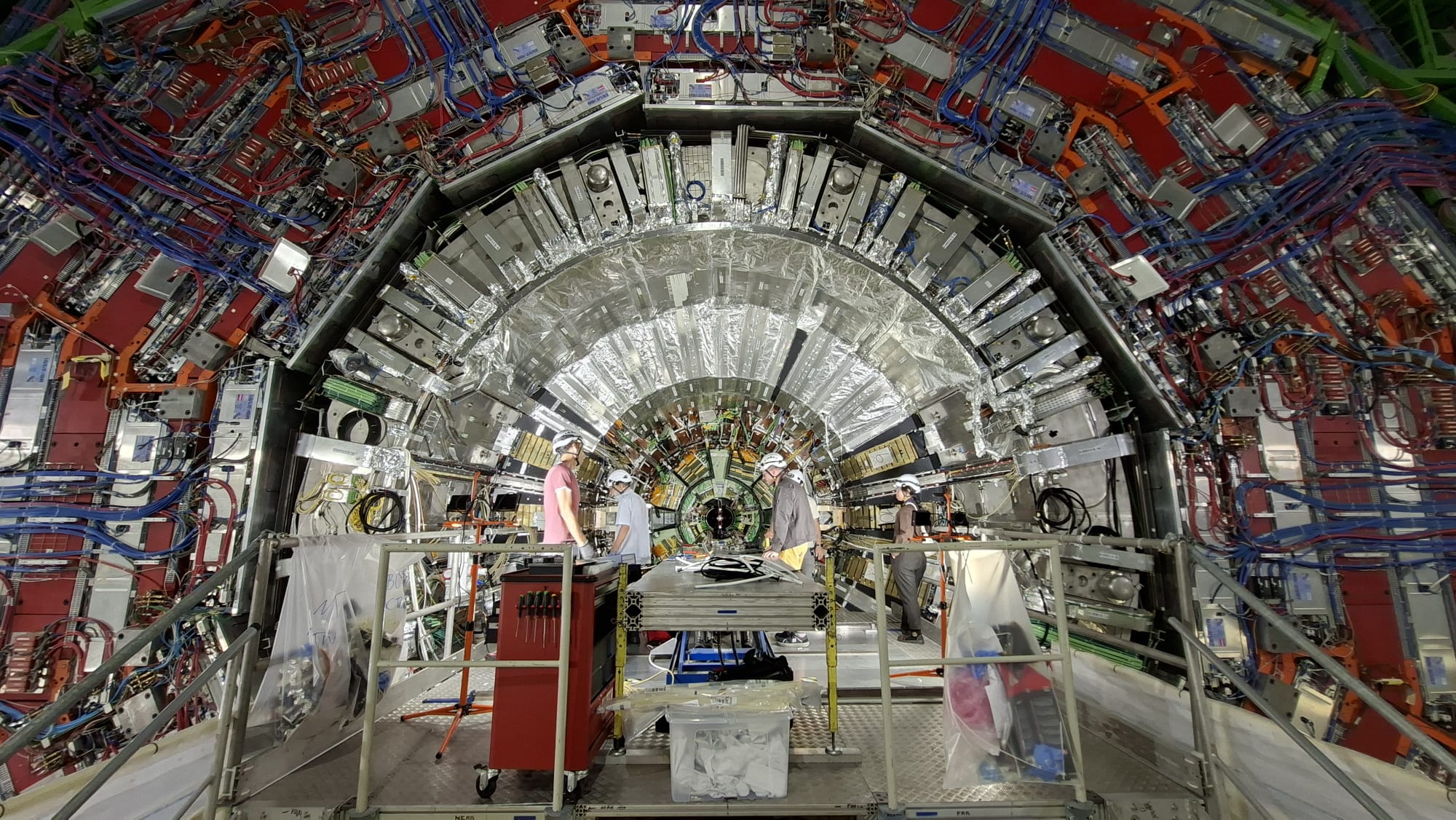
Inside CMS’s LS3 decommissioning challenge
CMS has begun one of the most demanding interventions in its history: the carefully planned removal of around 600 m³ of legacy services. Empty racks and cable trays now reveal the first stage of the detector’s transformation for the High-Luminosity LHC.
-
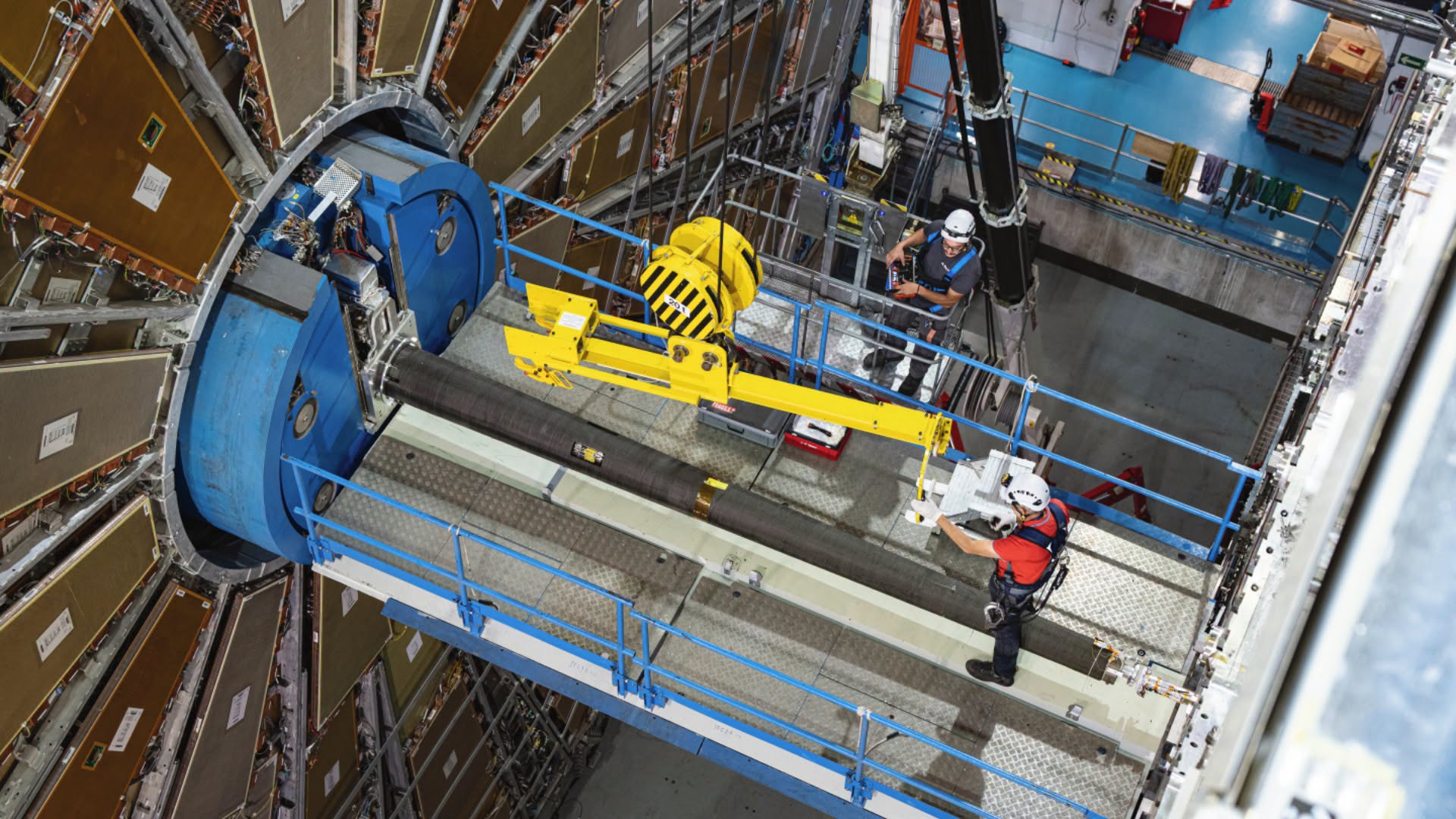
Taking ATLAS apart to build its future
In the first weeks of Long Shutdown 3, ATLAS entered a decisive new phase. Over the next four years, the collaboration will dismantle major parts of the detector and install new tracking, timing, trigger and infrastructure systems for the High-Luminosity LHC. Its technical coordination team reveals the intricate planning, tension and unexpected joy behind this…
-
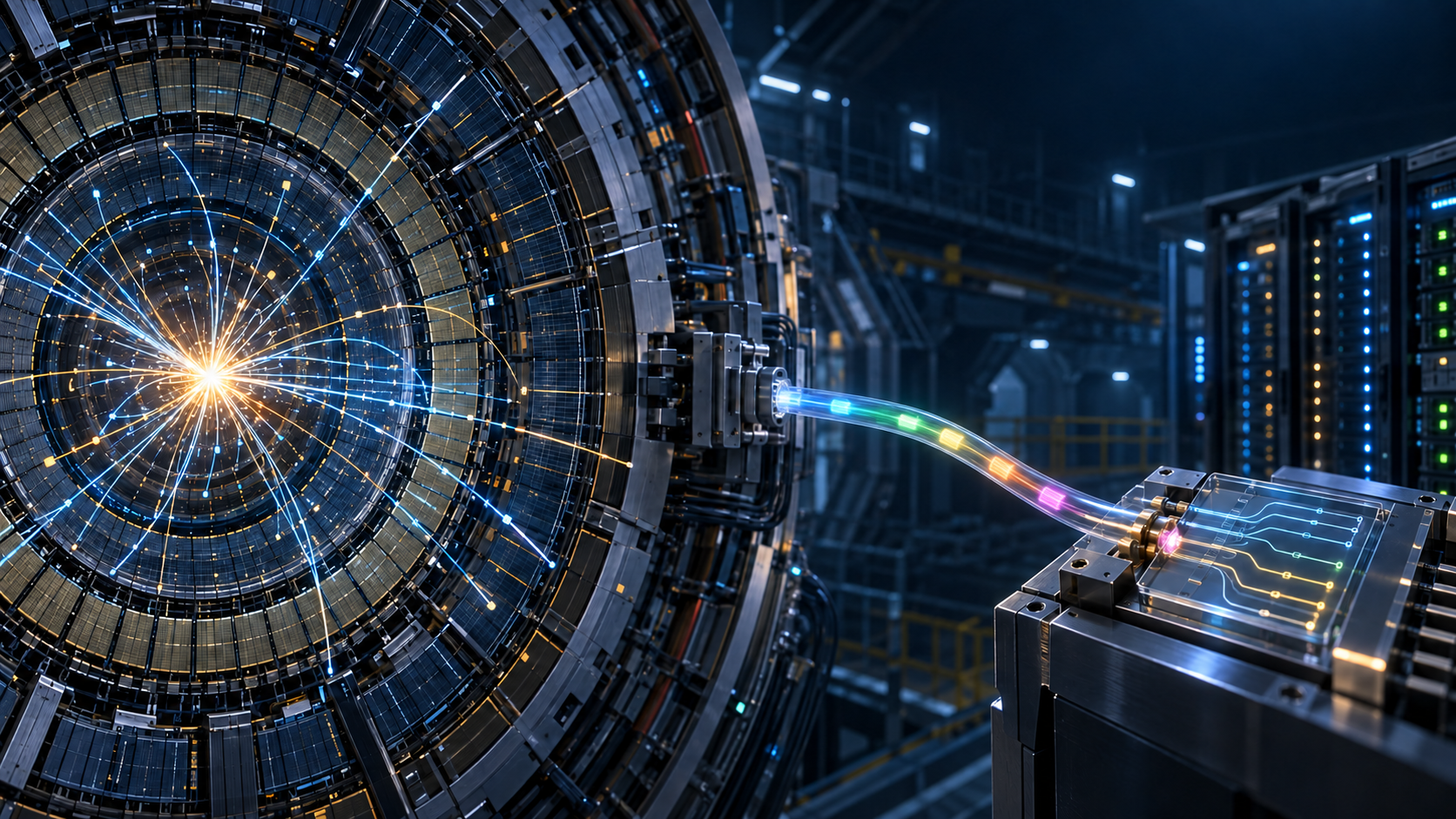
A Hundred Gigabits per Fibre: Silicon Photonics Links for the Detectors of Tomorrow
The High-Speed Links Work Package (WP6) of the EP R&D programme is developing the radiation-tolerant, high-bandwidth optical links needed for future particle detectors. Combining custom ASICs, Silicon Photonics and FPGA-based back-end systems, the team is now moving towards integrated demonstrations in an experimental context.
-
Bundling Forces for Future Online Computing: Introducing the CDO Projec
Discover the Control Acquisition and Online Computing (CDO) Project, an initiative of the Experimental Physics Department that brings together diverse expertise, ideas and perspectives to strengthen collaboration across the community.
-
EP R&D Day 2026: technologies for the next generation of experiments
EP R&D Day 2026: technologies for the next generation of experiments On 29 April 2026, colleagues from across CERN’s Experimental Physics Department gathered for the annual meeting dedicated to the strategic EP R&D programme on technologies for future experiments. The programme offered a broad update on progress achieved over the past year, bringing together developments
-
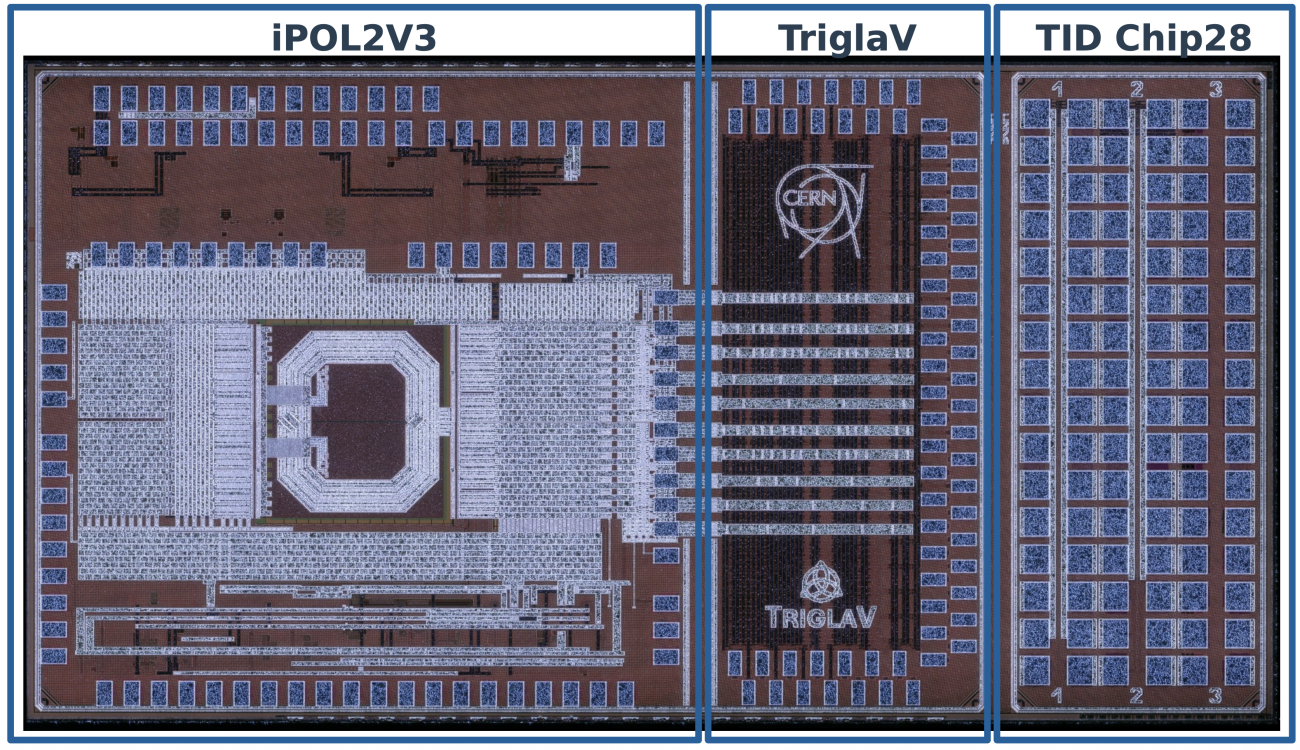
Building a Microelectronics Foundation for Tomorrow’s Detectors
Building a Microelectronics Foundation for Tomorrow’s Detectors The challenge: smarter chips in harsher places Particle physics detectors have always pushed electronics to their limits. The next generation of tracking systems and calorimeters will depend critically on dense, intelligent, low power and radiation-hard microelectronics: front-end ASICs that can survive for decades in harsh environments, having their