
Newsletter Articles
-
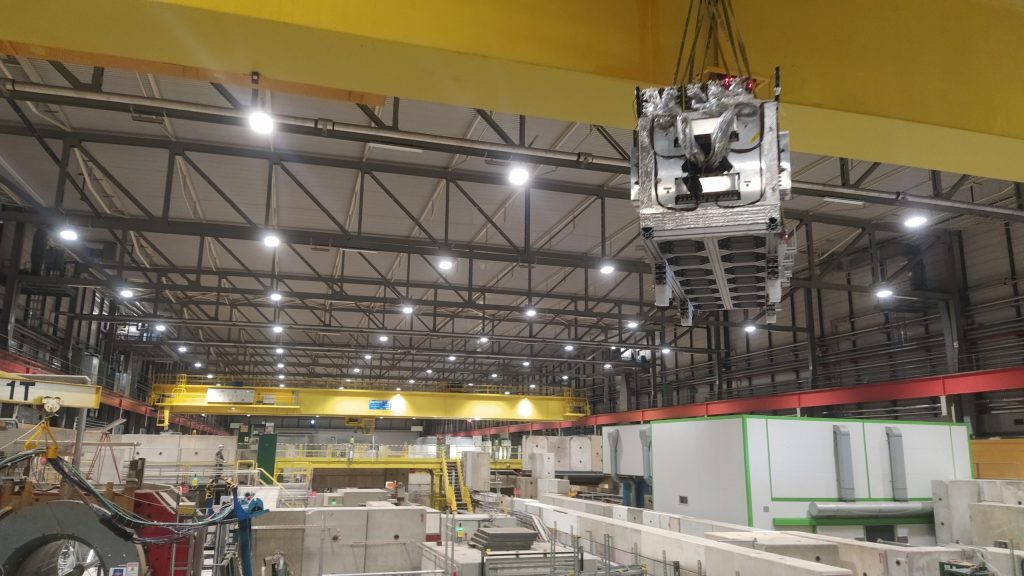
The last beam tests before LS3 boost FCC-ee detector technologies
The last beam tests before LS3 boost FCC-ee detector technologies by Hector Garcia Morales (CERN, FCC-PED group) In one of the last opportunities to test detector prototypes before CERN’s accelerator complex enters Long Shutdown 3, a beam test campaign brought together different teams from across the world to test FCC-ee detector technologies. To date, six
-
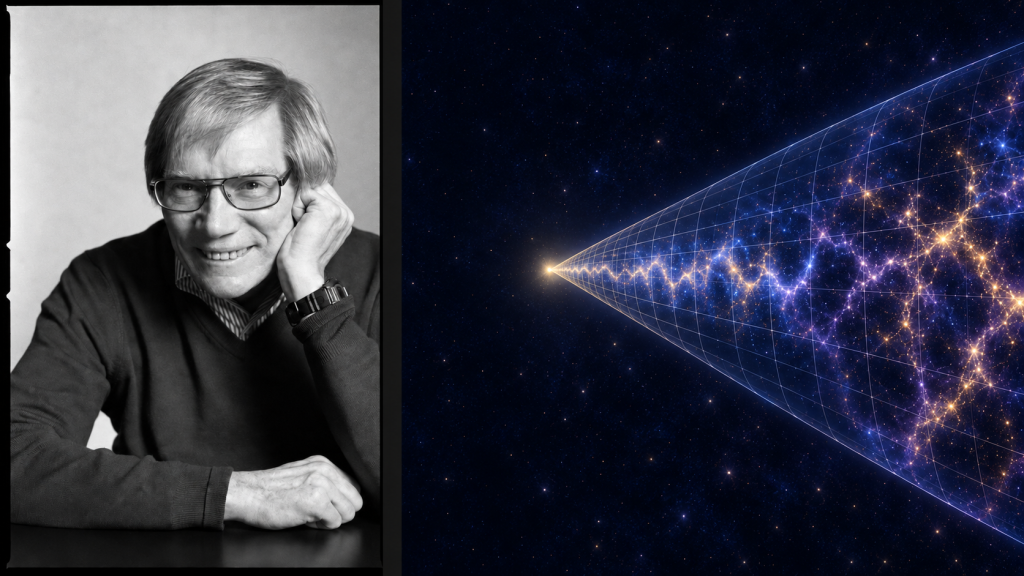
In discussion with Alan Guth
Alan Guth reflects on the origins of inflationary cosmology, the uncertainty surrounding its earliest models and the observations that could shape its future. He also discusses eternal inflation, the measure problem and the enduring connections between cosmology and particle physics.
-
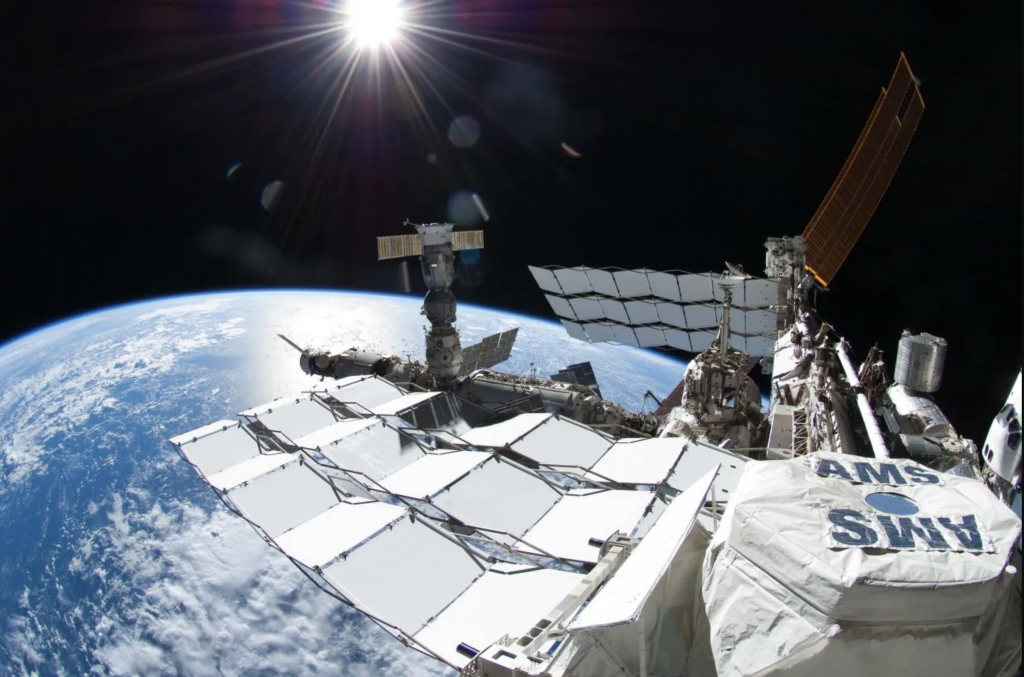
Investigating the origin of elements with the AMS on the International Space Station
Drawing on 15 years of observations and more than 260 billion cosmic-ray events, the Alpha Magnetic Spectrometer is helping scientists investigate how elements are produced and propagate through our Galaxy. Its latest measurements of phosphorus, chlorine, argon, potassium and calcium reveal distinct patterns among primary and secondary cosmic-ray nuclei, contributing to a more comprehensive model…
-
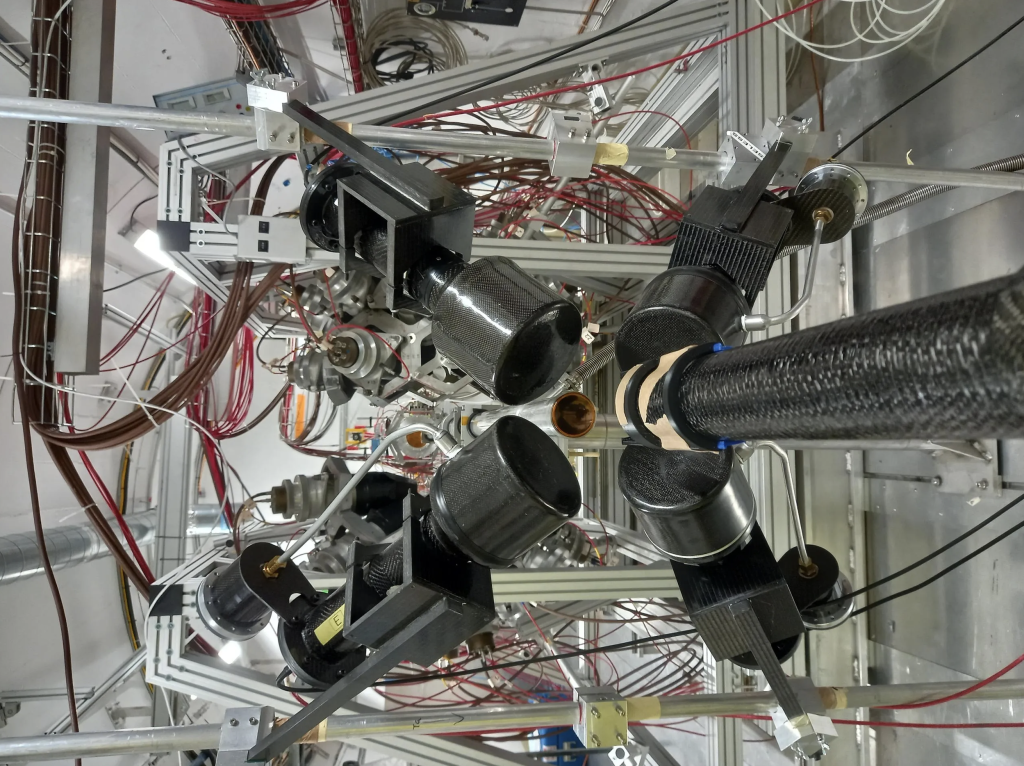
A radioactive crossroads: n_TOF measurement validates a key reaction in the molybdenum-94 puzzle
The first experimental determination of neutron capture by niobium-94 at energies relevant to stellar nucleosynthesis confirms the scale of earlier theoretical predictions, rules out this reaction as the source of a longstanding discrepancy and strengthens our understanding of molybdenum production in ageing stars.
-
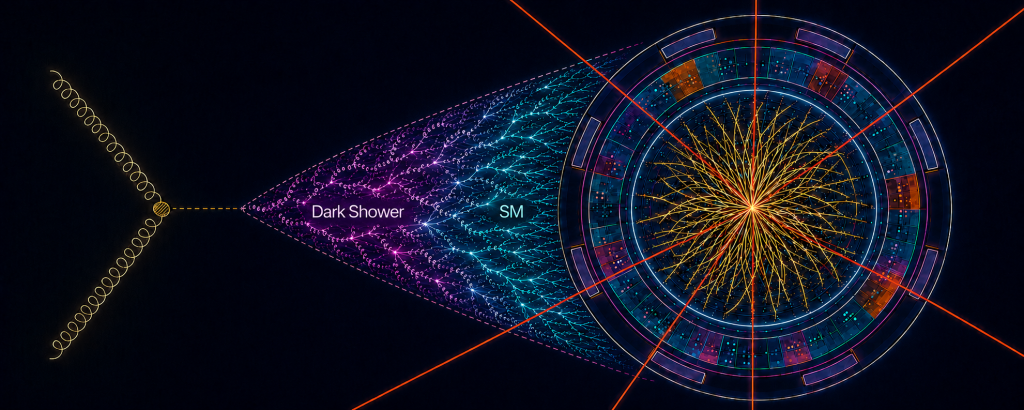
Looking for soft unclustered energy patterns from dark matter in CMS and ATLAS
CMS and ATLAS are exploring unconventional signatures of dark matter at the LHC. New searches target soft unclustered energy patterns—nearly spherical sprays of low-energy particles that can evade conventional detection strategies—and extend sensitivity to previously unexplored regions of the dark sector.
-
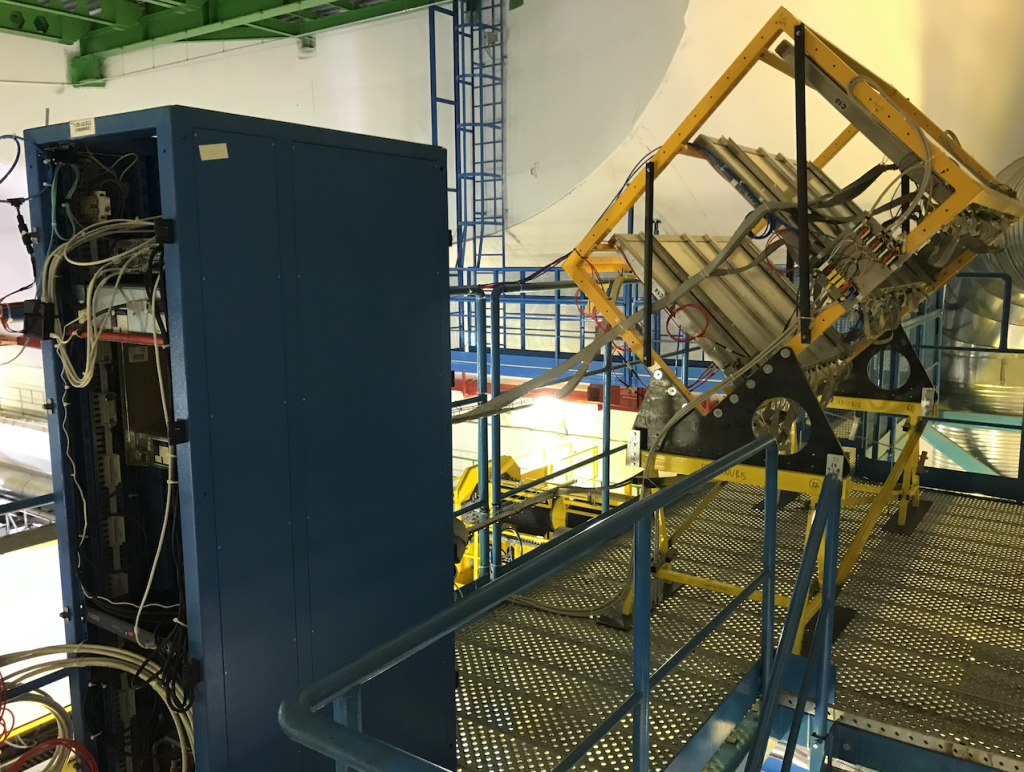
ANUBIS: from prototype to Letter of Intent
The proANUBIS demonstrator has completed data taking in the ATLAS cavern, showing that its detector technology delivers the efficiency and timing precision required to search for long-lived particles. These results strengthen the case for the full ANUBIS experiment, which would extend ATLAS’s reach into a largely unexplored region of new physics.
-
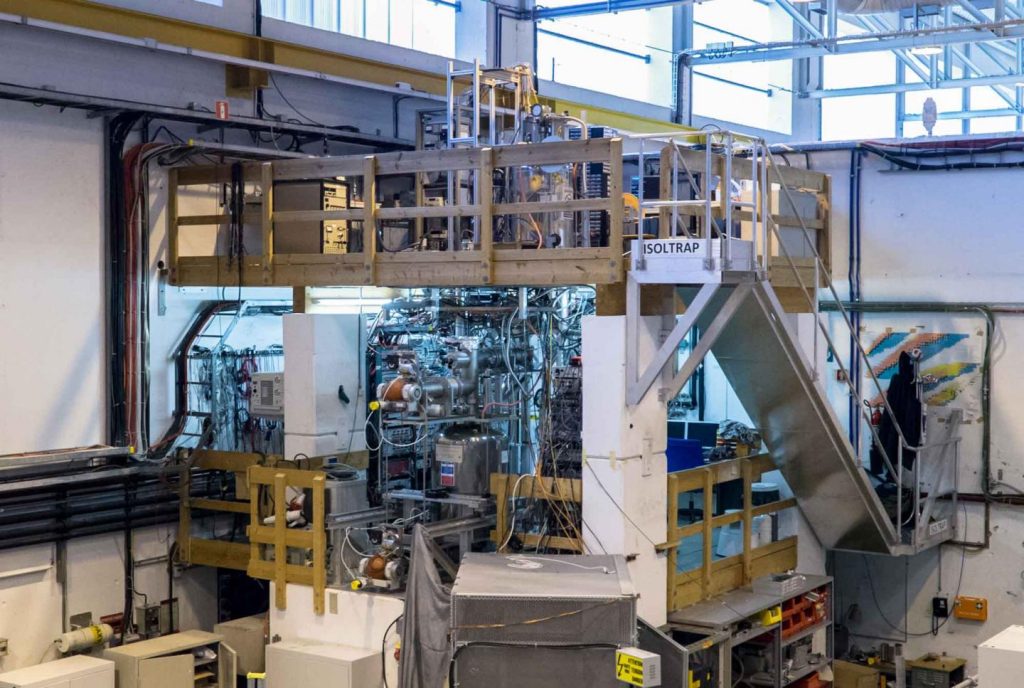
ISOLTRAP measures cadmium isotope masses for the first time, probing a key nuclear shell gap
With only about 40 detected ions, ISOLTRAP has measured the mass of cadmium-96 for the first time. Together with improved measurements of cadmium-97 and cadmium-98, the results shed light on nuclear shell structure near the doubly magic nucleus tin-100 and provide new benchmarks for nuclear theory.
-
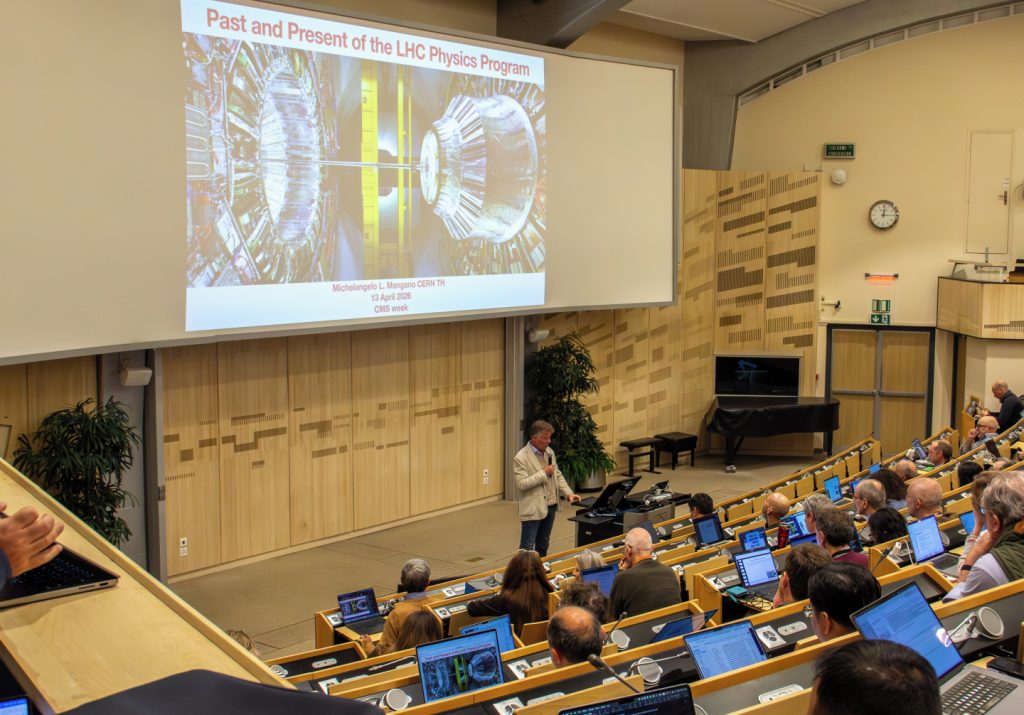
Past and Present of the LHC Physics Programme: A Viewpoint
Before the LHC began operations, expectations were immense. It was not perceived simply as CERN’s next machine after LEP, but as “the next machine after everything”—a collider expected to settle how electroweak symmetry is broken.
-
colibri: CERN VHDL Common Library released for Everyone to Use
CERN has released colibri, an open-source library designed to make FPGA gateware more portable, reliable and independent of individual vendors. Developed with support from the CERN EP R&D programme, it provides more than 100 verified VHDL components and is already used by over ten projects within and beyond CERN.
-
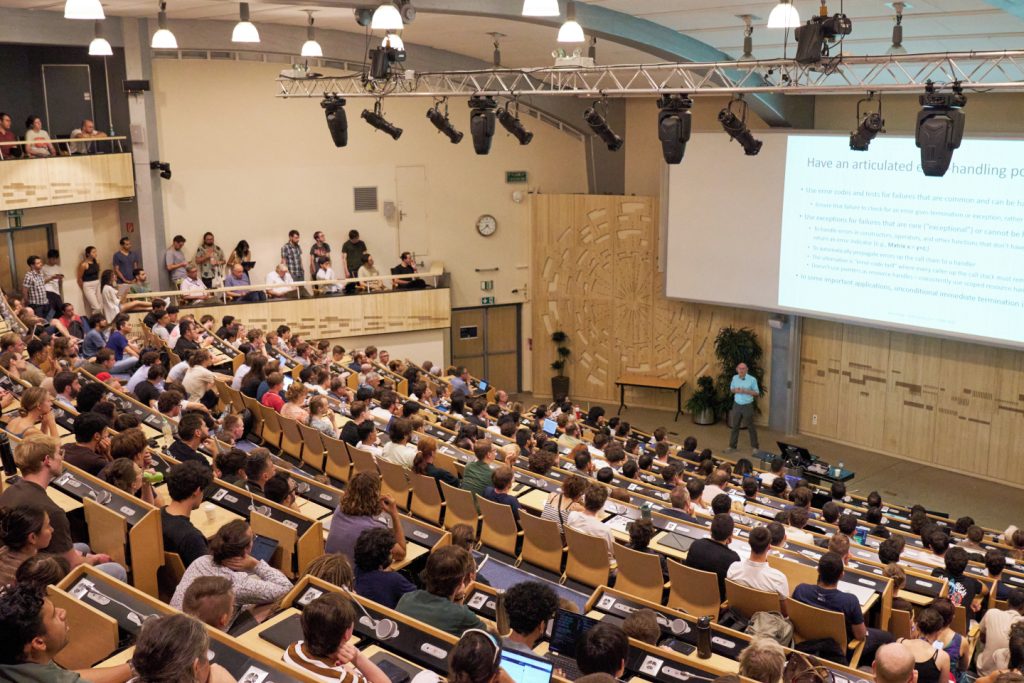
CERN STEAM Academy puts the future of scientific software centre stage
C++ creator Bjarne Stroustrup returned to CERN for a packed STEAM Academy seminar on the future of scientific software. From safer programming and simpler code to new language features and the demands of long-lived research infrastructure, he explored how C++ can continue to evolve alongside the computing challenges of modern science.