EP Vacancies: Opportunities in CERN’s Experimental Physics (EP) Department
A word from the EP Department Deputy Head – Summer 2026
Dear Colleagues, I am very happy to introduce the summer 2026 edition of the EP newsletter.
Interviews & Features
-
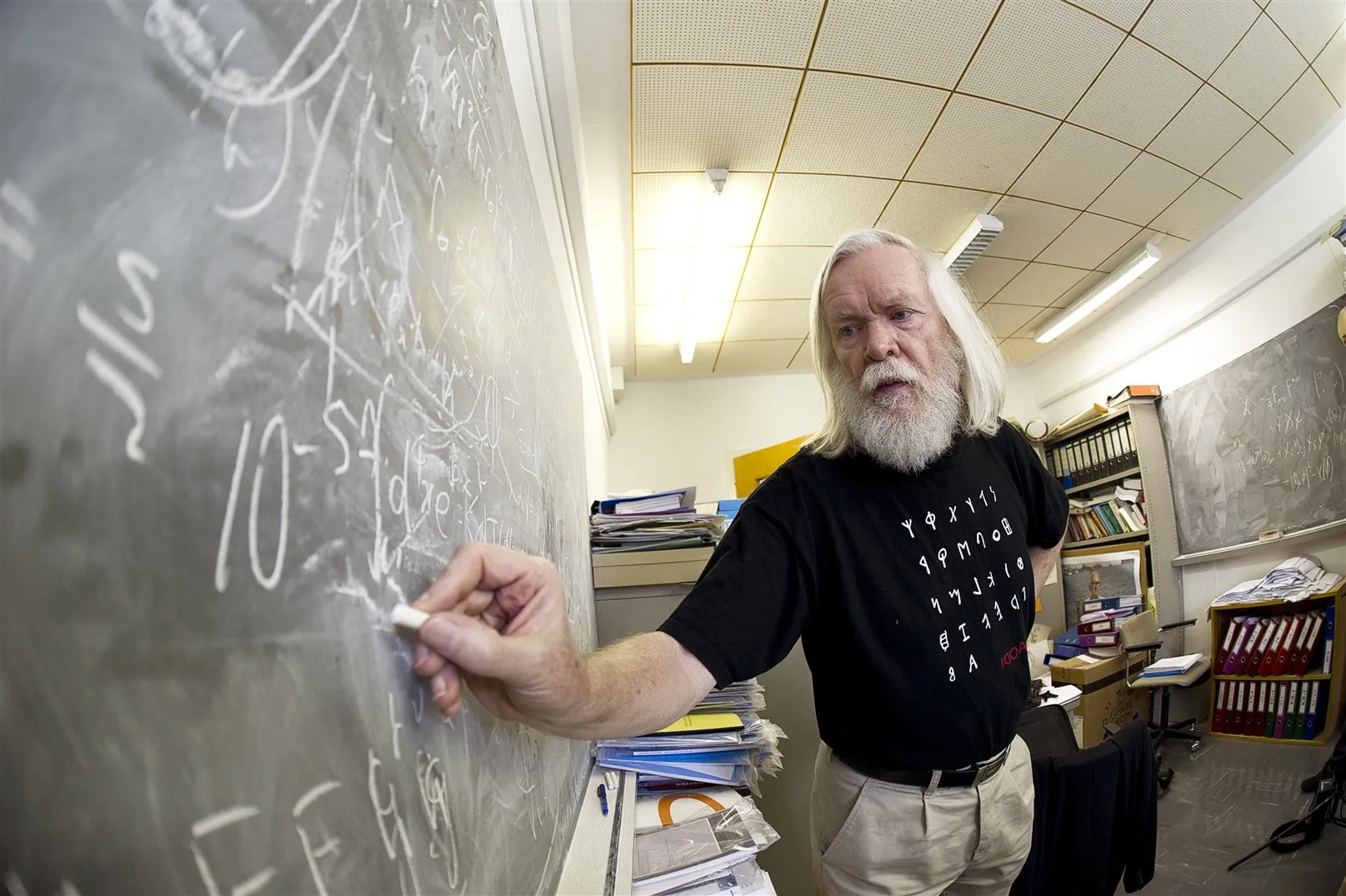
In discussion with John Ellis: The Higgs, Patience and Perseverance in Science
In discussion with John Ellis: The Higgs, Patience and Perseverance in Science by Panos Charitos For John Ellis, the history of the Higgs boson is not a neat, short story that begins with a theory paper and ends with a discovery announcement. It is a long intellectual adventure, beginning in superconductivity, moving through the construction
-
EP R&D Day 2026: technologies for the next generation of experiments
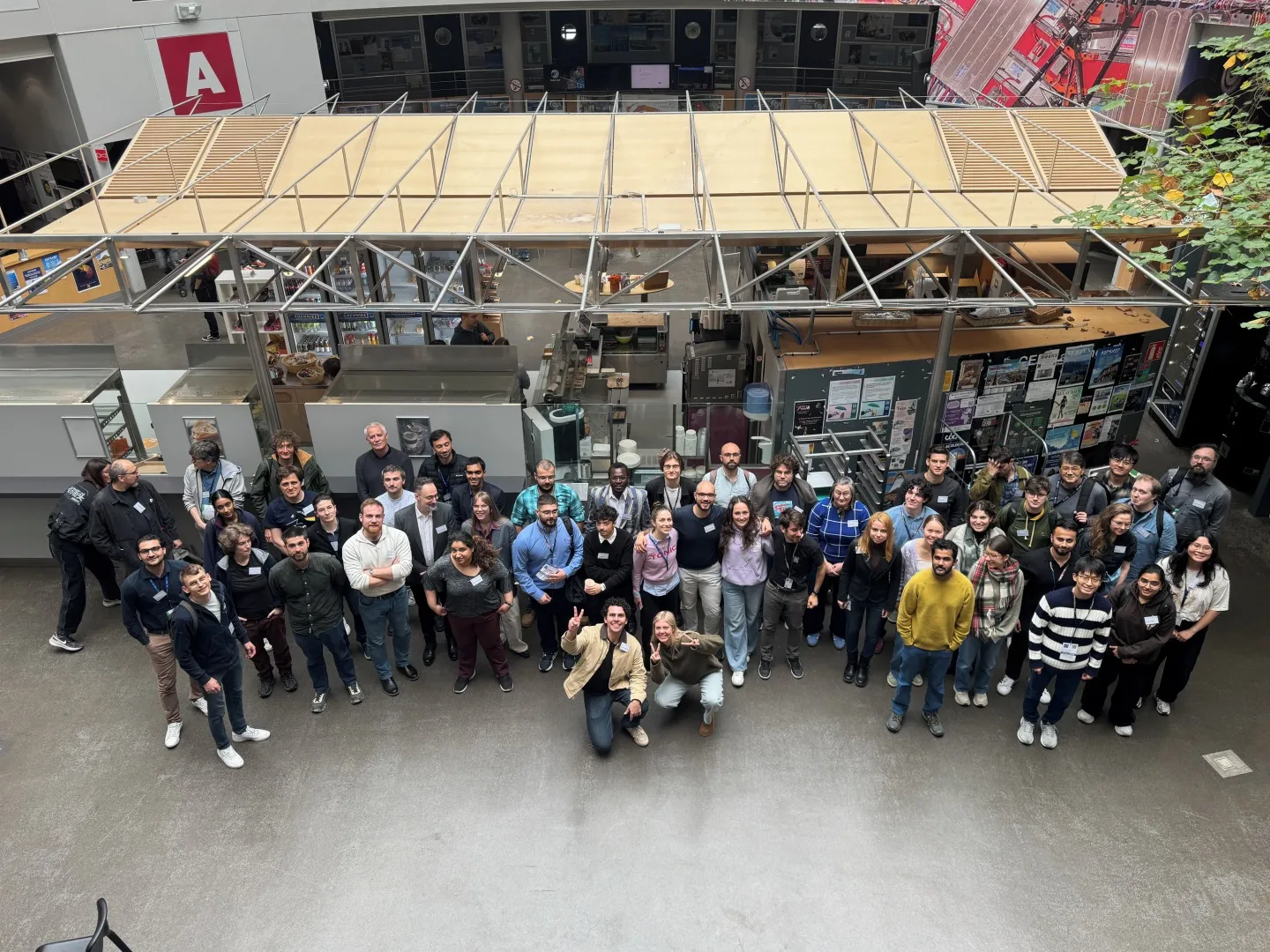
EP R&D Day 2026: technologies for the next generation of experiments On 29 April 2026, colleagues from across CERN’s Experimental Physics Department gathered for the annual meeting dedicated to the strategic EP R&D programme on technologies for future experiments. The programme offered a broad update on progress achieved over the past year, bringing together developments
-
AI for Gravitational Waves: Building Bridges Between Scientific Communities
AI for Gravitational Waves: Building Bridges Between Scientific Communities As gravitational-wave observatories enter a new phase of sensitivity, scale and scientific ambition, the challenge is no longer only to detect faint ripples in spacetime. It is also to analyse, interpret and respond to them fast enough to open new windows on the Universe. This was
-
Building a Microelectronics Foundation for Tomorrow’s Detectors
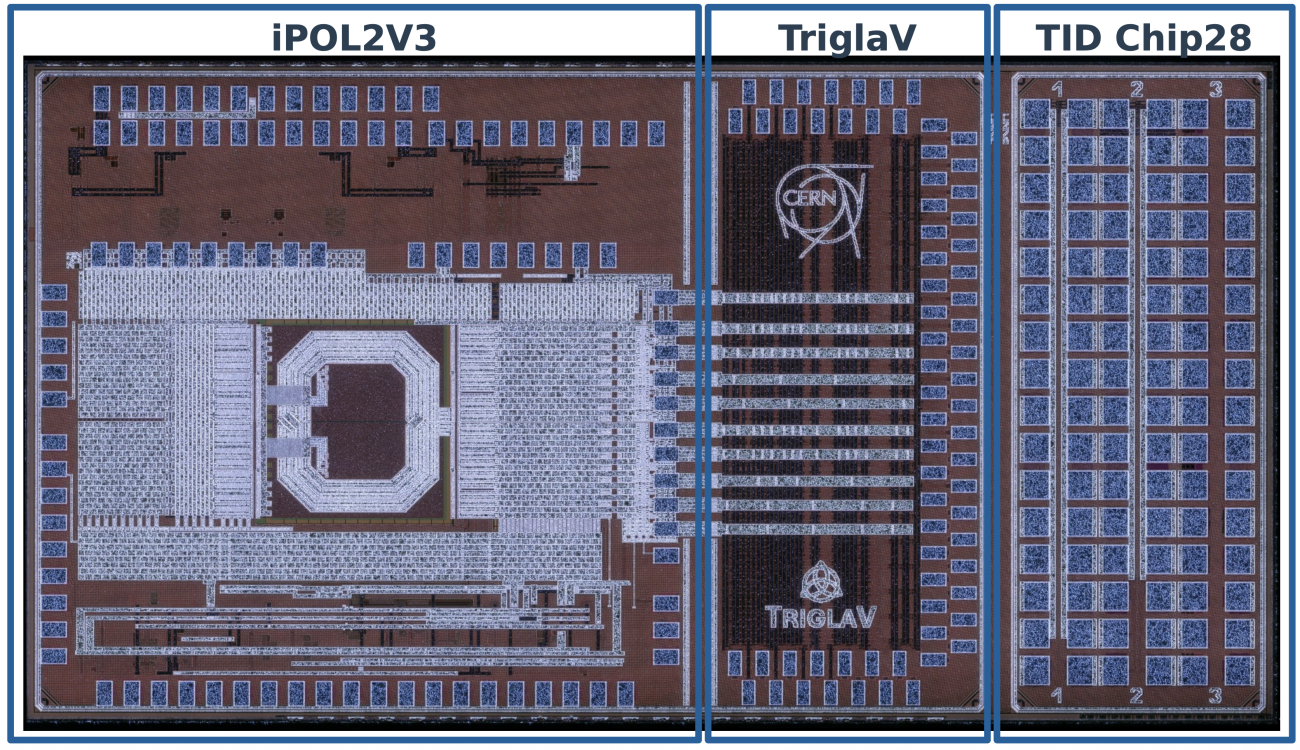
Building a Microelectronics Foundation for Tomorrow’s Detectors The challenge: smarter chips in harsher places Particle physics detectors have always pushed electronics to their limits. The next generation of tracking systems and calorimeters will depend critically on dense, intelligent, low power and radiation-hard microelectronics: front-end ASICs that can survive for decades in harsh environments, having their
-
BASE experiment scientist recognised with UPAP Early Career Scientist for coherent antiproton spin spectroscopy
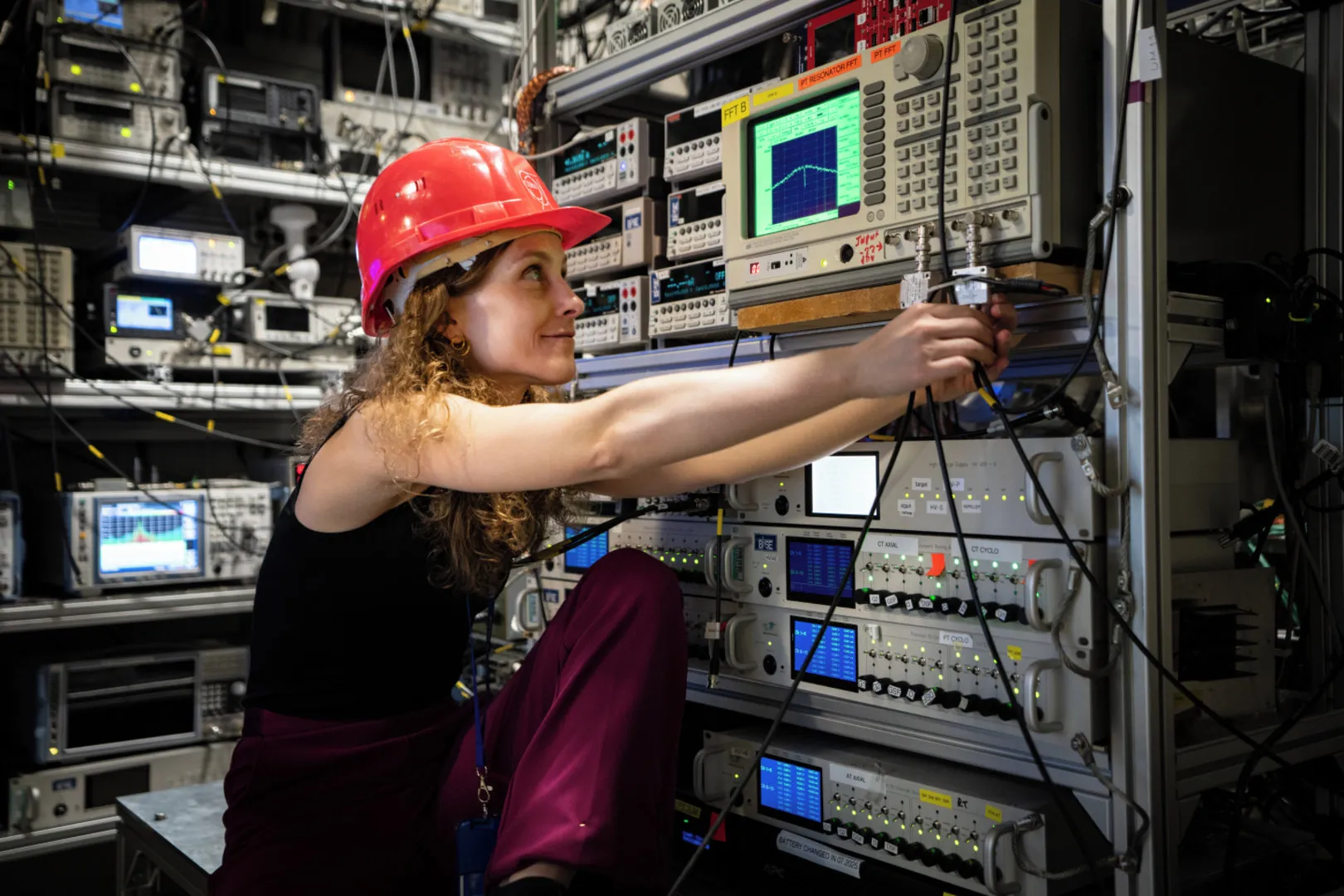
BASE experiment scientist recognised with UPAP Early Career Scientist for coherent antiproton spin spectroscopy Dr Barbara Maria Latacz, CERN scientist and lead author of the BASE study, works on the trap electronics used to control single antiprotons for high-precision antimatter measurements. Barbara Latacz, CERN research scientist and technical coordinator of the BASE experiment, has received
-
Rucio crosses the exabyte horizon
Rucio crosses the exabyte horizon When we last wrote in these pages about Rucio, ATLAS had just passed the half-exabyte mark and the community counted around thirty organisations. Six years on, a threshold that was then a distant projection has been crossed: both ATLAS and CMS, the two largest LHC experiments, now each manage more
-
MOSAIX: Designing bent wafer-scale monolithic pixel sensors for the ALICE ITS3 upgrade
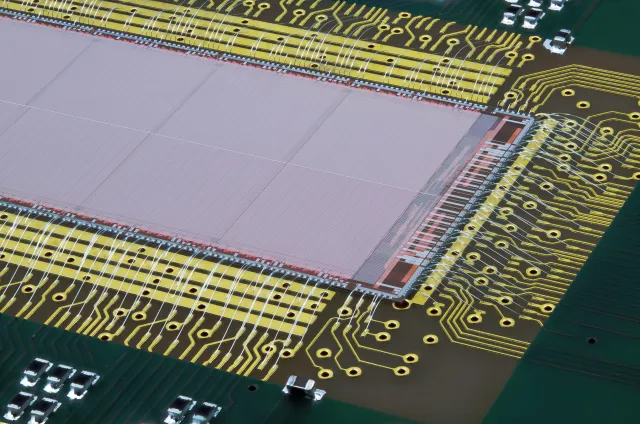
MOSAIX: Designing bent wafer-scale monolithic pixel sensors for the ALICE ITS3 upgrade The ALICE detector is preparing a major upgrade to its Inner Tracking System (ITS) during LHC long shutdown 3 (2026-2030). This upgrade, called ITS3, will replace the three innermost tracking layers with three layers of cylindrical, 50 µm thick, 27 cm long, silicon
-
ATLAS scales up AI for jet physics and reveals flavour-tagging scaling laws
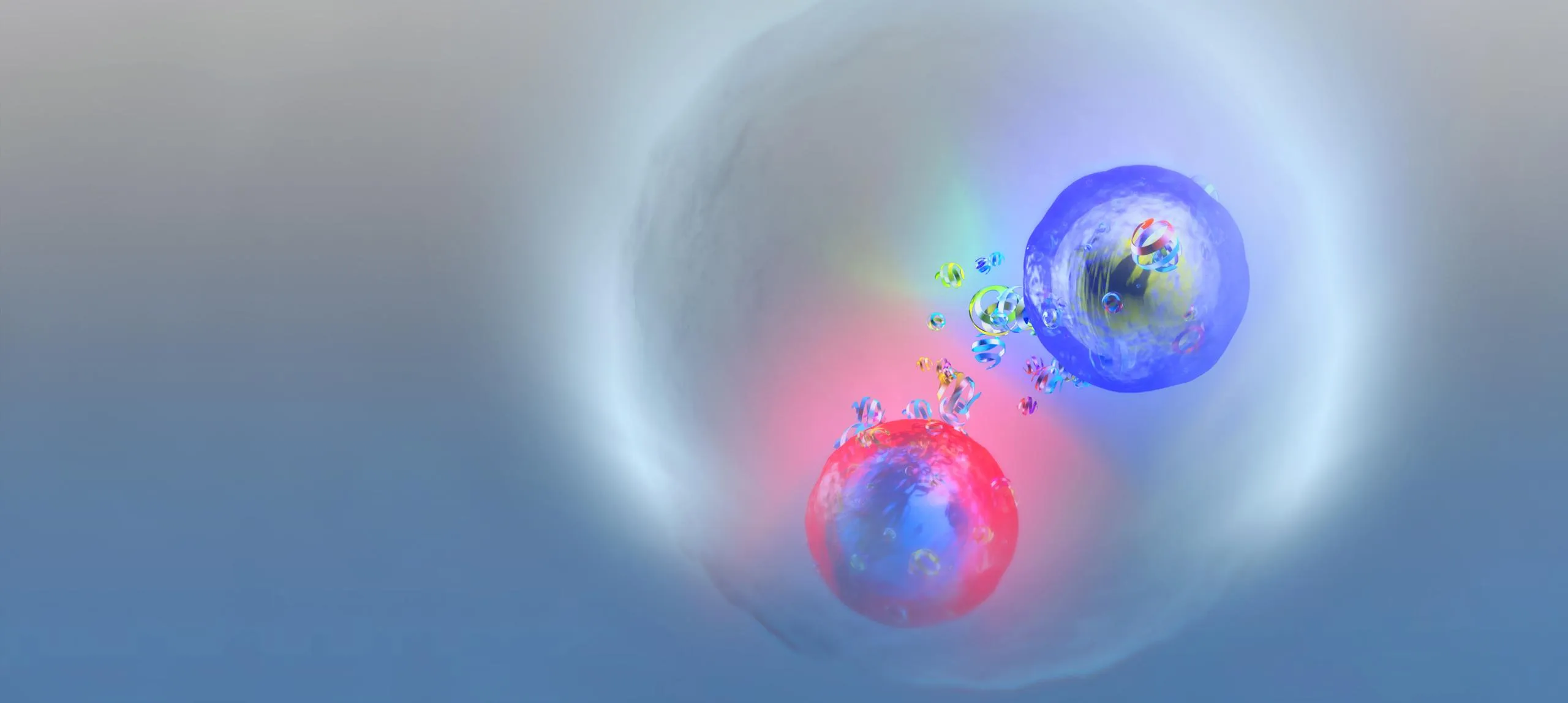
ATLAS scales up AI for jet physics and reveals flavour-tagging scaling laws High Energy Physics (HEP) and Machine Learning (ML/AI) are uniquely aligned: The data recorded by particle physics experiments are so rich, heterogeneous and complicated that scientists crucially depend on advanced pattern recognition in order to extract physics results. It’s for this reason that
-
PUMA – Antiprotons as a precision probe for the tail of nuclear density
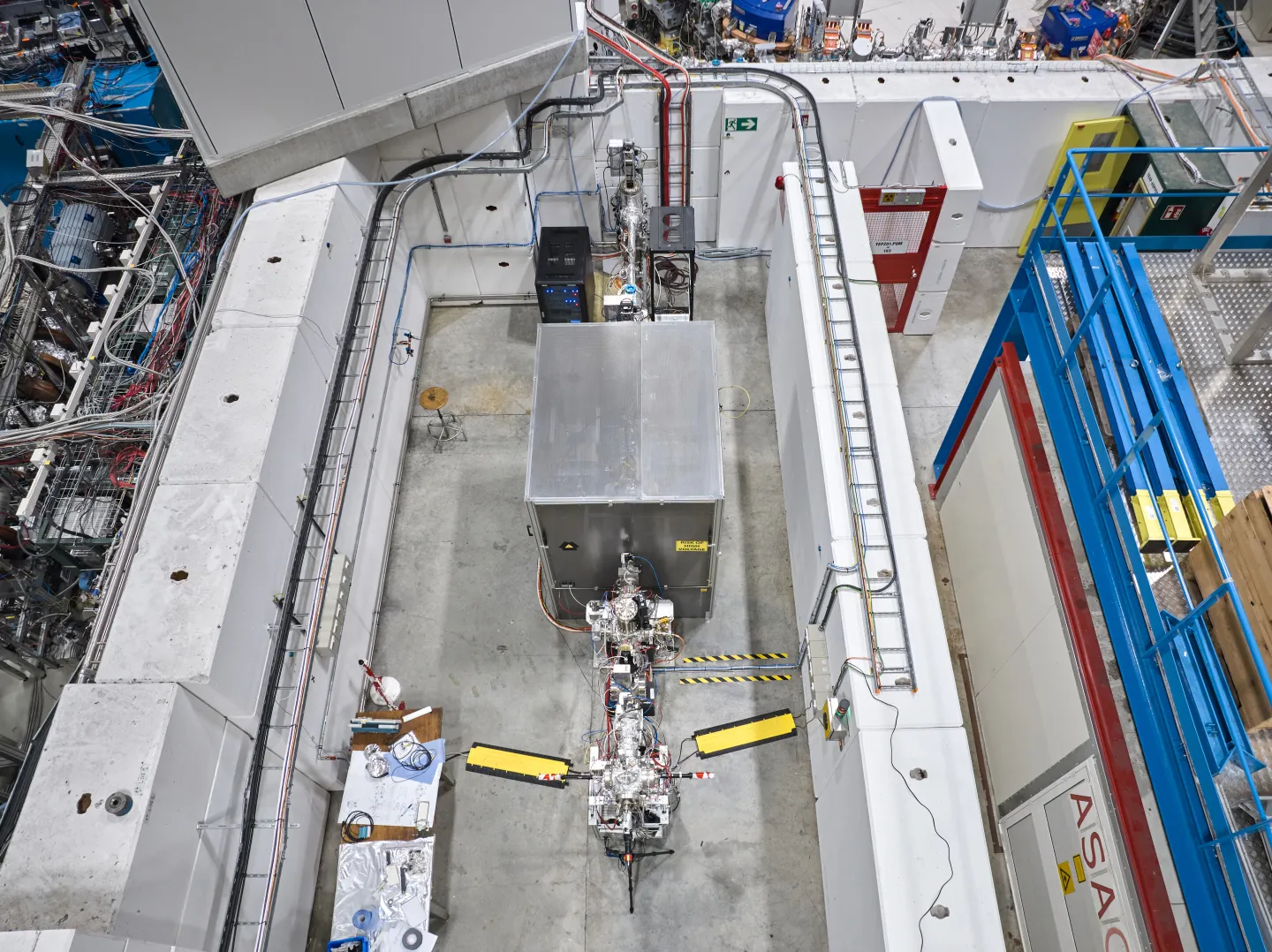
PUMA – Antiprotons as a precision probe for the tail of nuclear density Understanding the nuclear structure of atomic nuclei away from the valley of stability remains one of the central challenges of nuclear physics and astrophysics. In particular, the dilute outer regions of neutron-rich nuclei can exhibit phenomena such as neutron halos and neutron
-
From top quarks to Higgs bosons: LHCb’s expanding jet programme
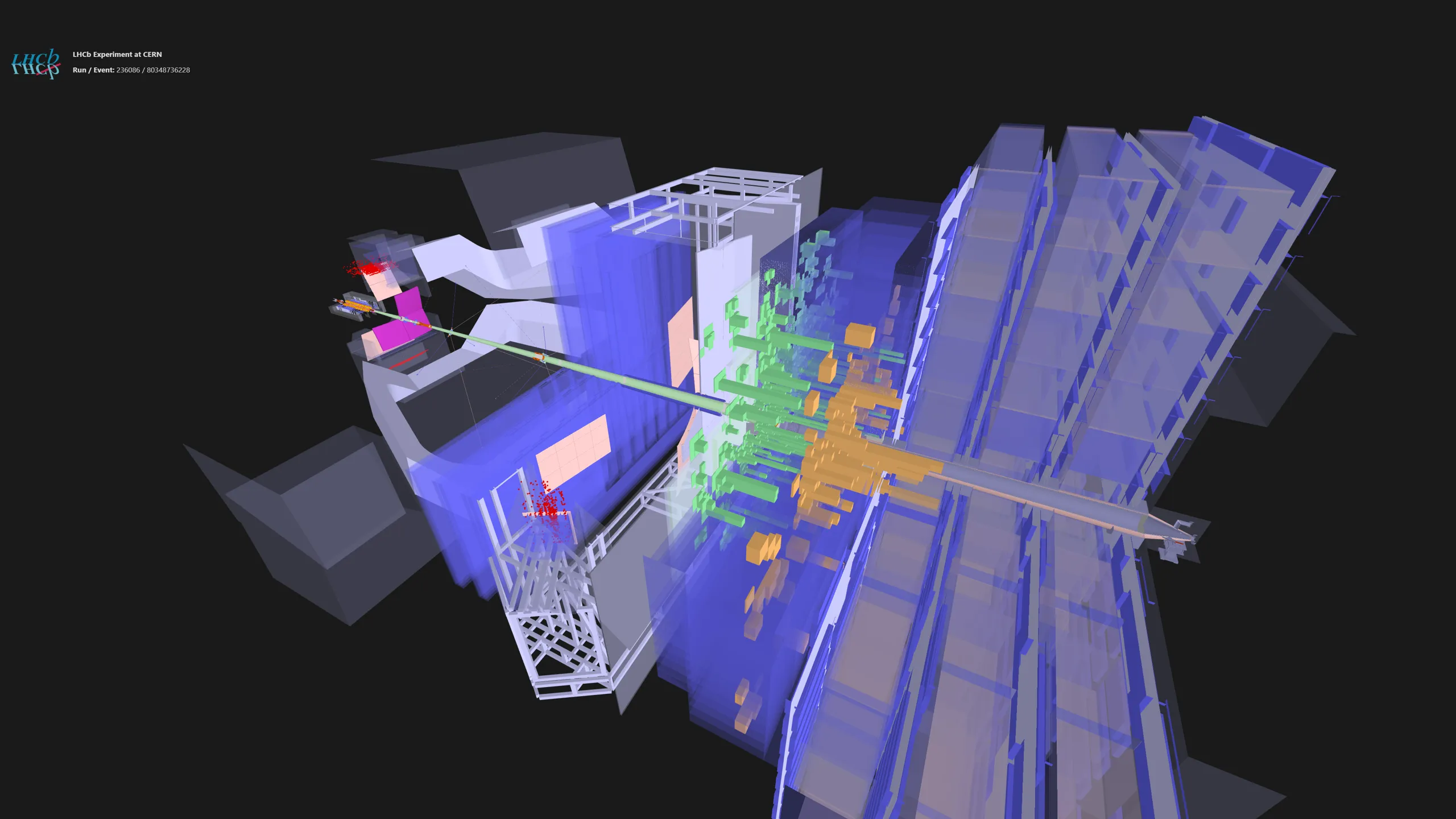
From top quarks to Higgs bosons: LHCb’s expanding jet programme Over the past decade, LHCb has steadily evolved from a detector primarily associated with heavy-flavour physics into a broader forward spectrometer able to address an increasingly diverse set of questions in Standard Model and beyond-the-Standard-Model physics. Two recent papers illustrate that evolution particularly well. One
Results from the experiments
-
CLOUD experiment reveals a major new source of marine aerosol particles
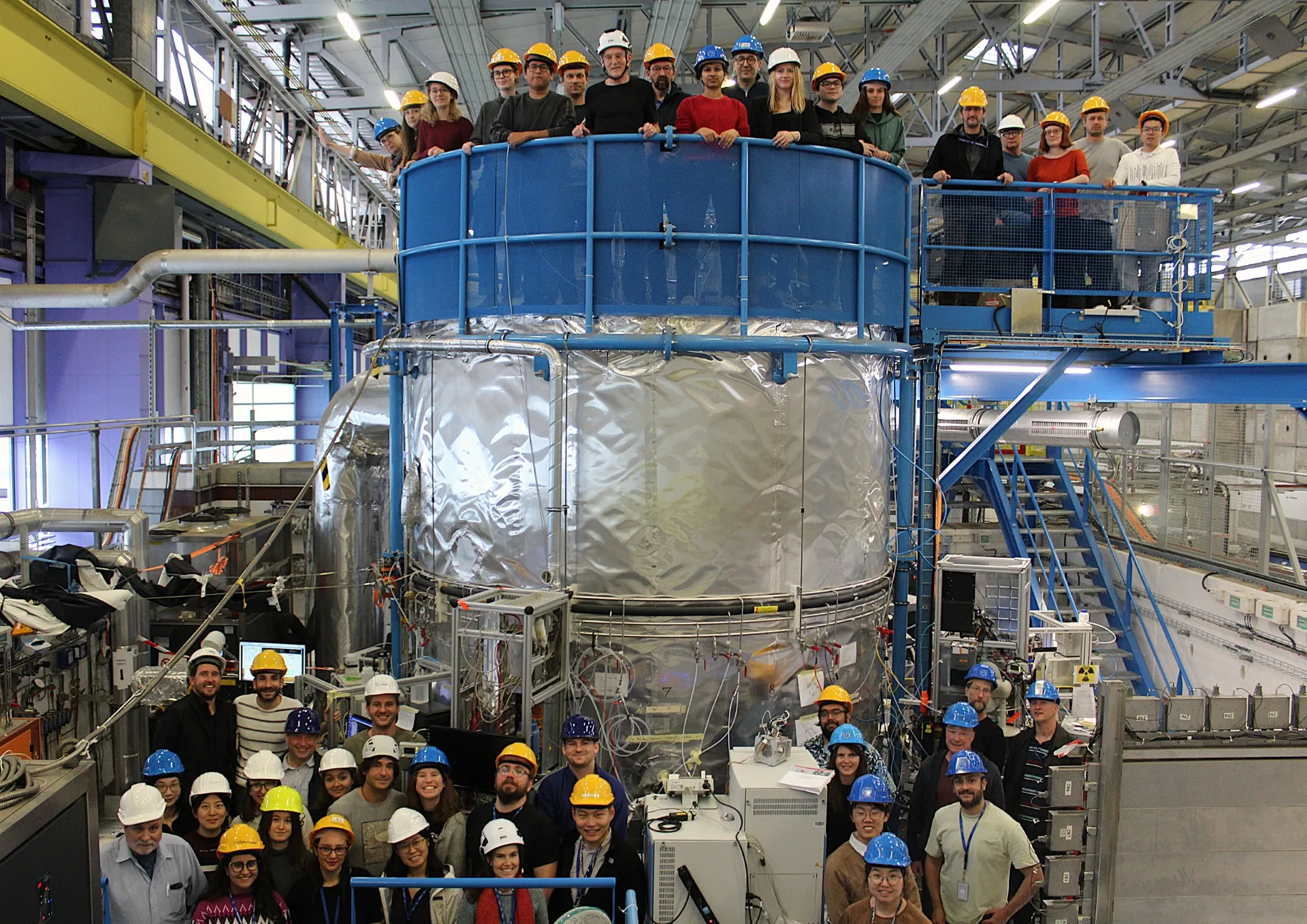
CLOUD experiment reveals a major new source of marine aerosol particles Clouds form when water vapour condenses onto tiny airborne particles known as aerosols. Once these particles grow larger than about 50 nanometres, they can act as cloud condensation nuclei, or CCN, on which cloud droplets form. Increased aerosol particles influence the climate in several
-
New ATLAS and CMS searches narrow the gap for compressed higgsinos
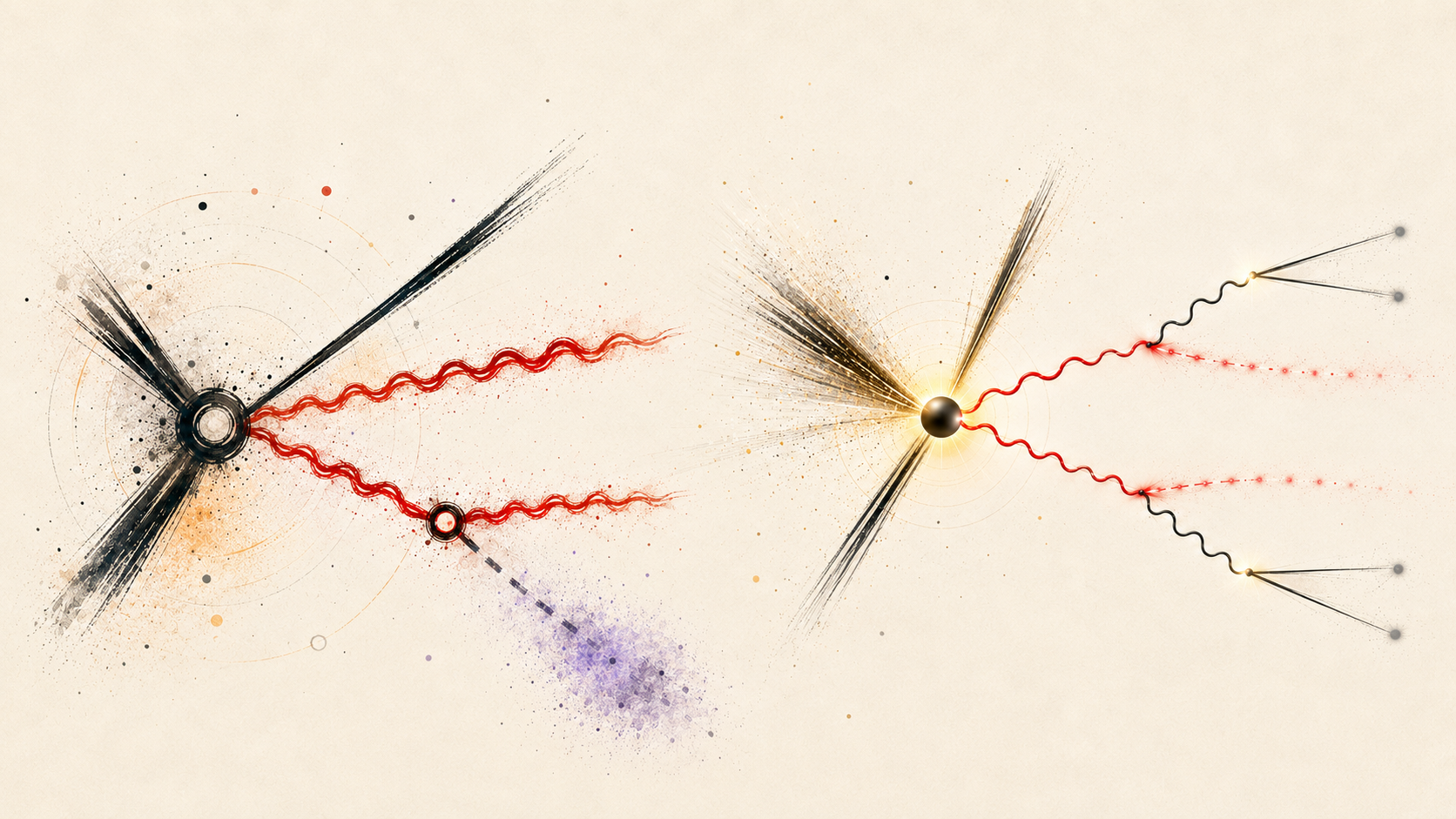
New ATLAS and CMS searches narrow the gap for compressed higgsinos Supersymmetry plays a prominent role in the landscape of models that push beyond the Standard Model. Higgsinos, the supersymmetric partners of the Higgs boson, may help in addressing a number of unsolved puzzles, particularly if their masses are near the electroweak scale. Not only
-
The ISOLDE Improvement Programme
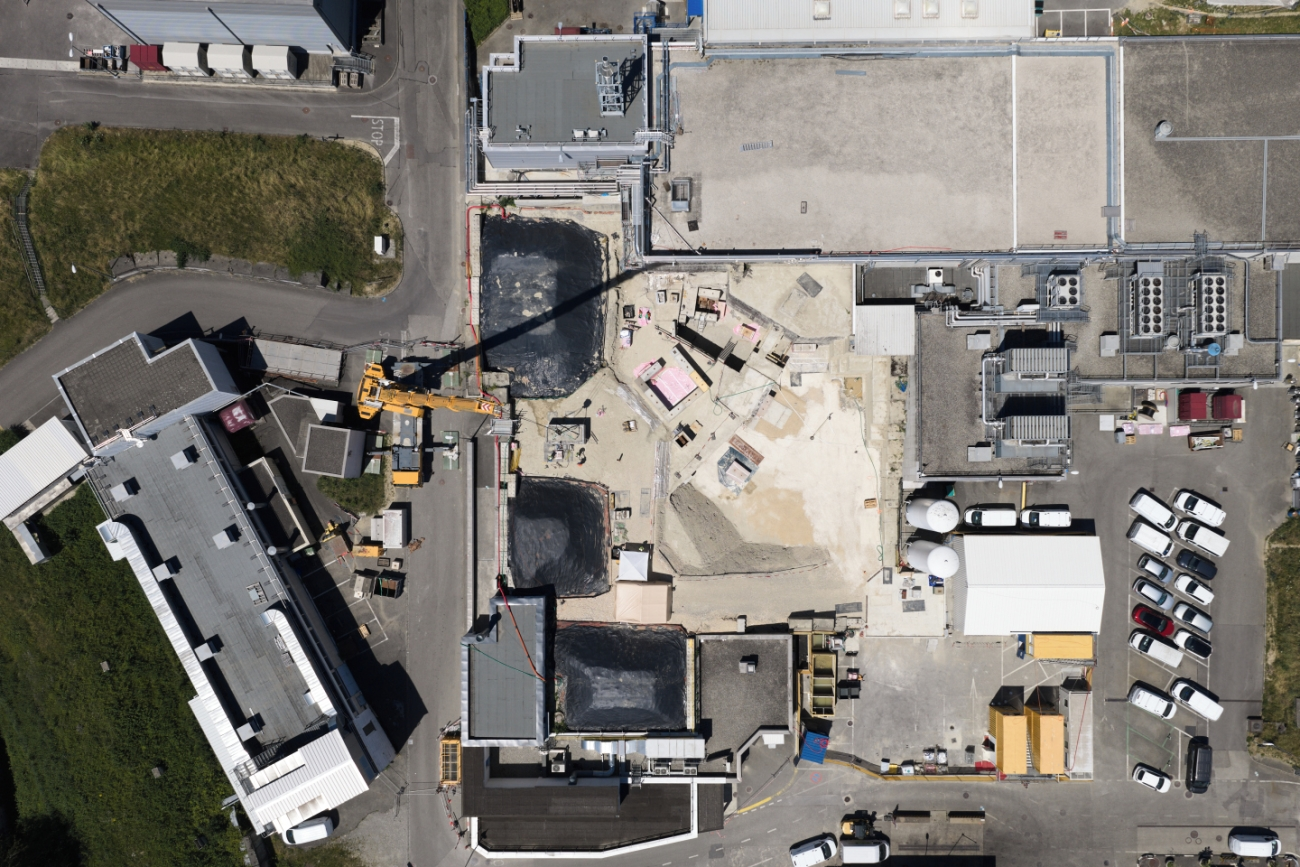
The ISOLDE Improvement Programme The ISOLDE Improvement Programme (IIP) brings together a series of upgrades and consolidation activities to maintain and further develop the ISOLDE facility. The programme includes projects addressing the accelerator infrastructure, beam production, and delivery systems, and experimental facilities, with the objective of improving operational flexibility, reliability, and long-term sustainability. Among the
-
Towards monitoring in Run 4 and beyond: LHC experiments exchange perspectives on data quality at the HL-LHC
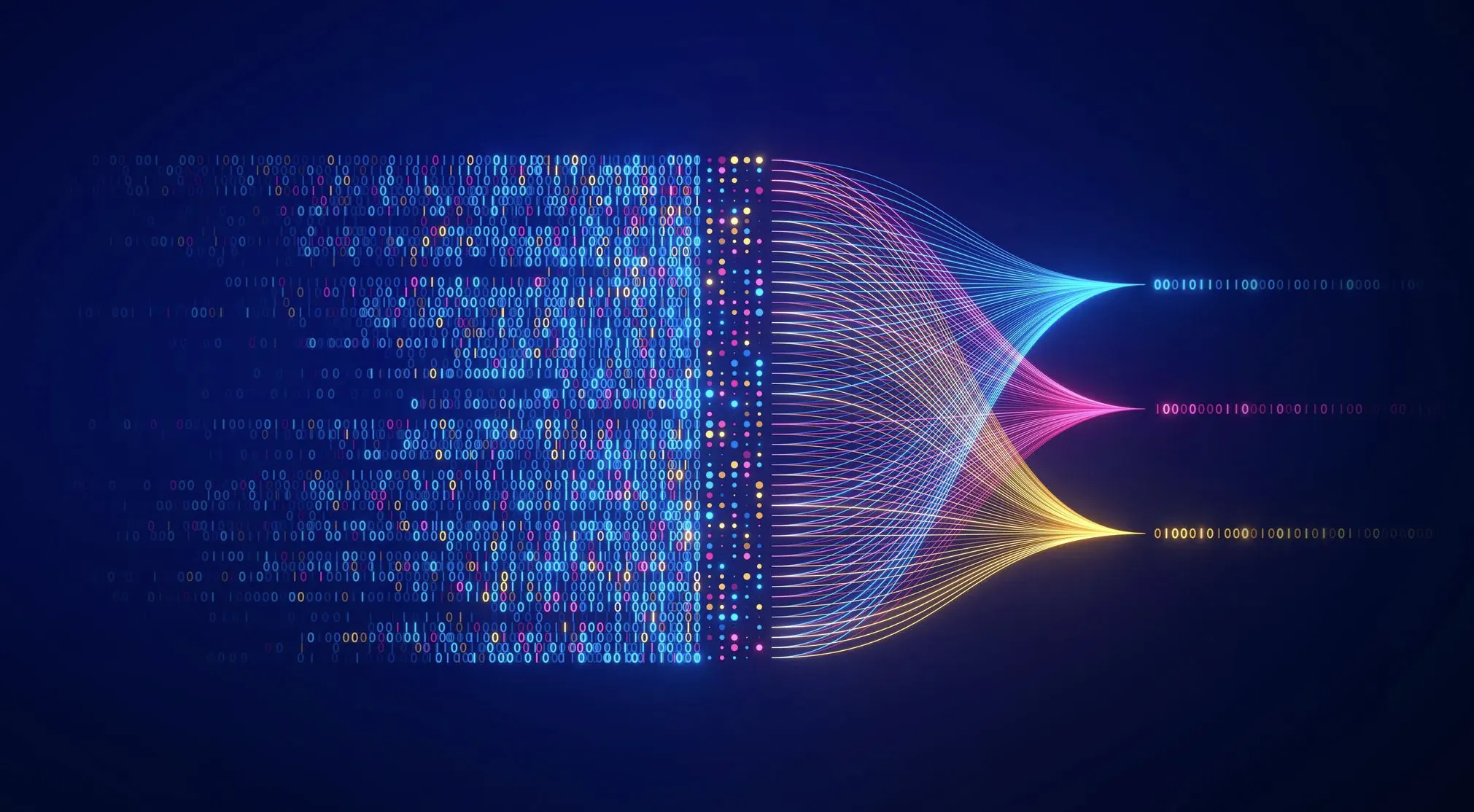
Towards monitoring in Run 4 and beyond: LHC experiments exchange perspectives on data quality at the HL-LHC In March of 2026, experts from ALICE, ATLAS, CMS and LHCb gathered at CERN for a dedicated workshop on Data Quality Monitoring (DQM), bringing together developers, coordinators and detector specialists to discuss how the LHC experiments monitor the
-
Online use of AI within ALICE
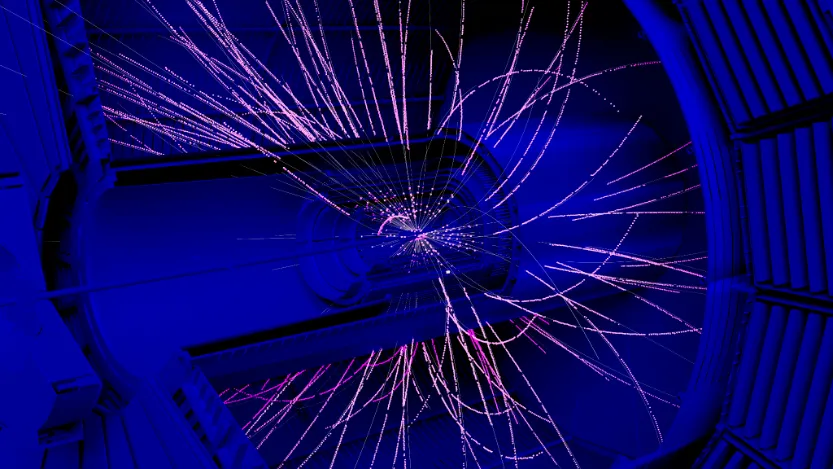
Online use of AI within ALICE A reconstructed event of particles in the ALICE TPC, with data taken with the neural network cluster finding algorithm. Pink dots are reconstructed clusters. AI applications have rapidly expanded in everyday life, and ALICE, among other high-energy physics experiments at CERN, is increasingly exploring their use in fundamental physics
-
LHCb completes a long-awaited family of doubly charmed baryons
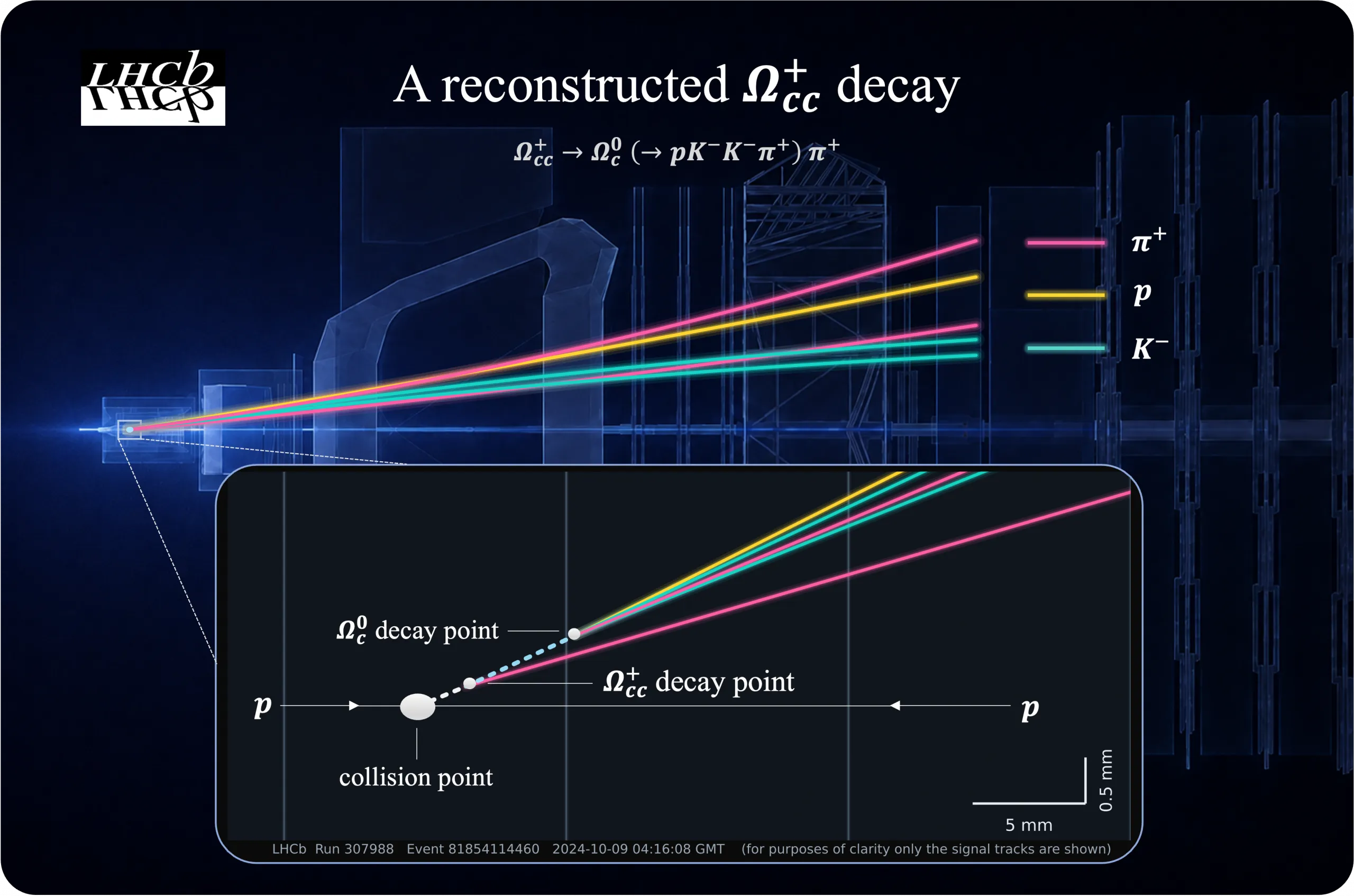
LHCb completes a long-awaited family of doubly charmed baryons More than sixty years ago, particle physics was facing a problem of abundance. New subatomic particles were appearing in experiments, but there was not yet a clear organising principle to explain their relationships. In the early 1960s, Murray Gell-Mann and Yuval Ne’eman independently proposed the “Eightfold
-
FASER opens new windows on dark sectors and TeV neutrino physics
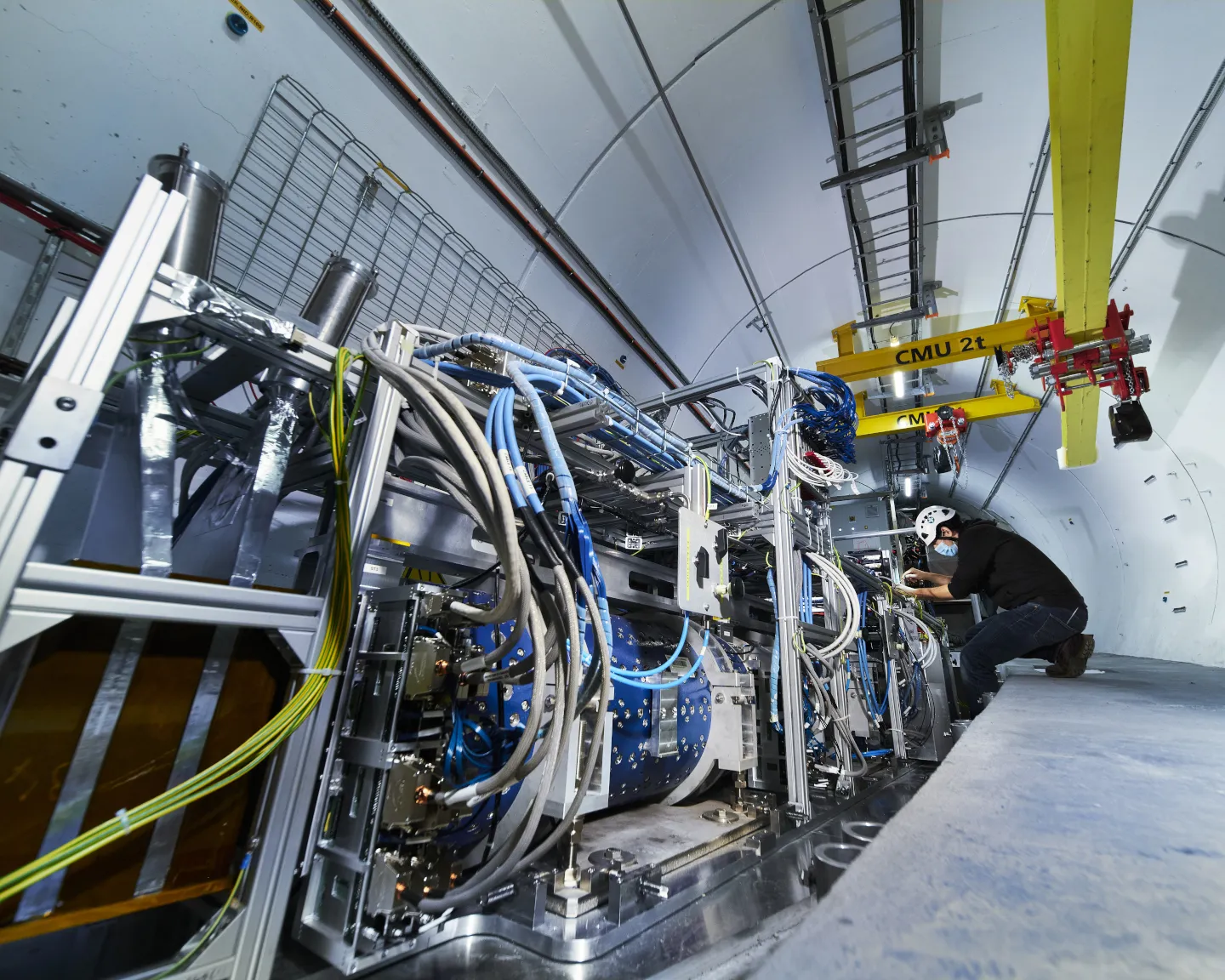
FASER opens new windows on dark sectors and TeV neutrino physics The FASER experiment has presented a series of new results that highlight the growing breadth of its physics programme at the LHC. These include a search for dark photons with the main FASER detector, a first search for neutrino-induced charm production with FASERν, and
-
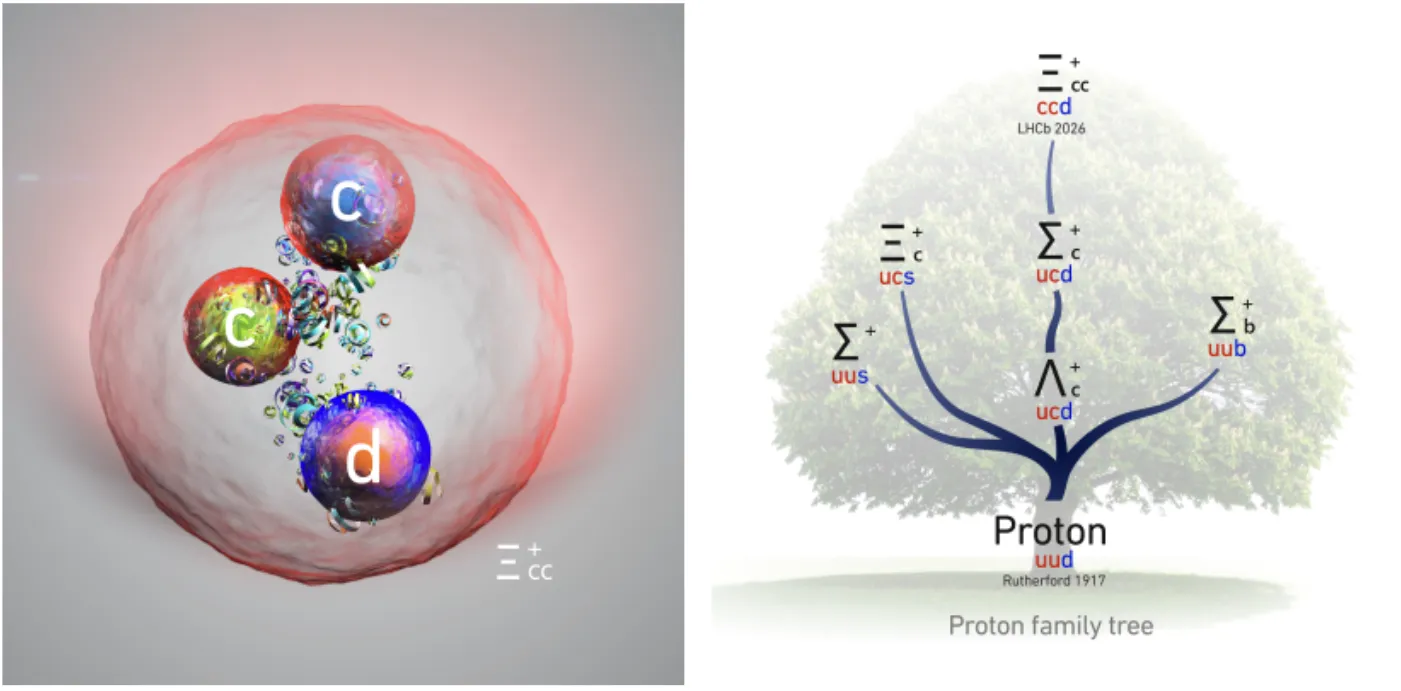
Doubly charmed baryon doublet completed with upgraded LHCb
Doubly charmed baryon doublet completed with upgraded LHCb The image on the left presents an artist’s impression of this exotic particle, while the diagram on the right shows a kind of “family tree” of the proton, illustrating how heavier relatives emerge when its quarks are replaced by strange (s), charm (c), or bottom (b) quarks.
-
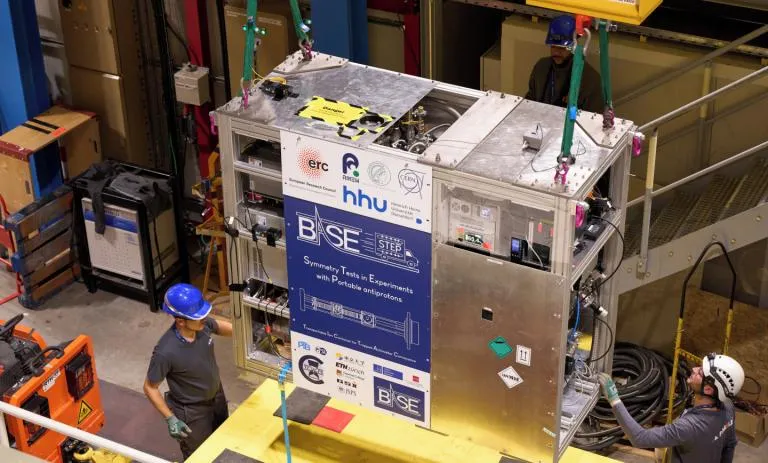
Moving antimatter beyond the lab
Moving antimatter beyond the lab For decades, antimatter experiments have been bound to a single place: the laboratory in which the particles are produced and trapped. At CERN’s Antimatter Factory, antiprotons are routinely produced, decelerated and confined in Penning traps, where electric and magnetic fields are used to store charged particles for high-precision studies. Yet
-
Probing flavour violations of the Standard Model with ATLAS
Probing flavour violations of the Standard Model with ATLAS Every aspect of our world – from atomic nuclei and molecular chemistry to biology and astrophysics – emerges from the interactions of particles so small they are considered point-like. While some particles, like the electron, were discovered over a century ago, most remained hidden until the
Special Features
-
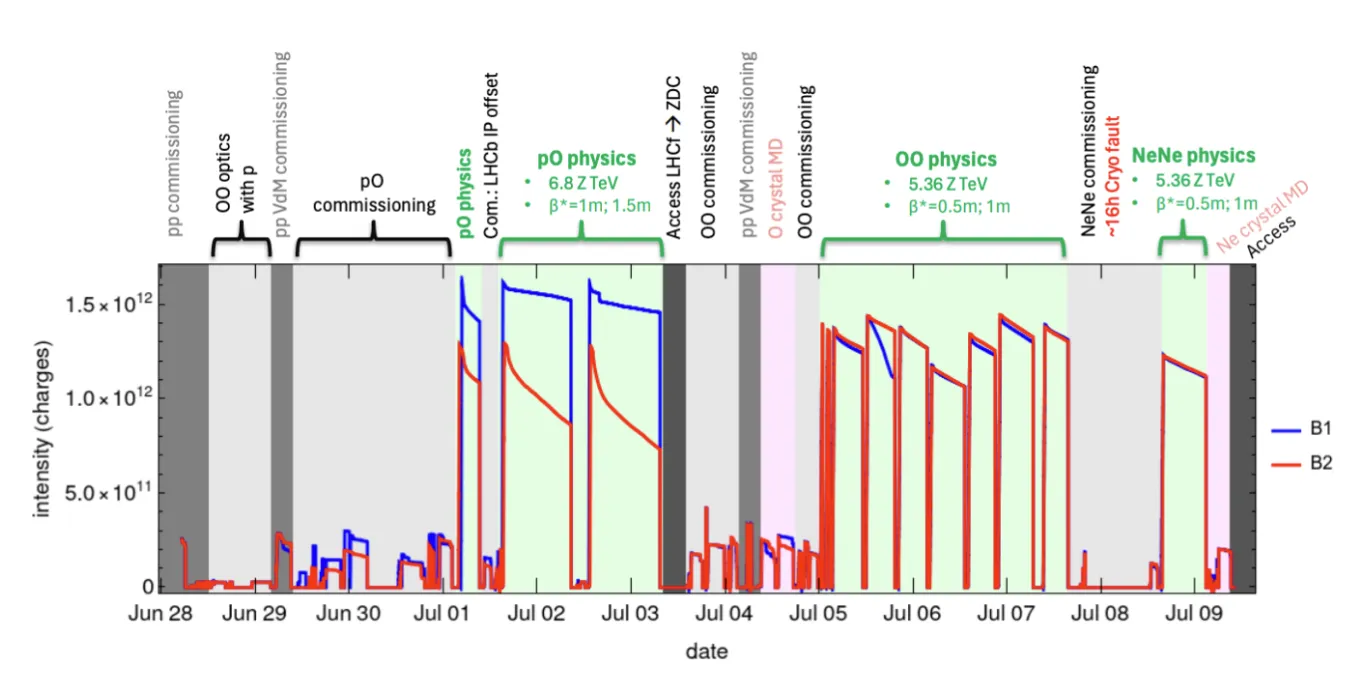
LHCb explores new light-ion territory with special LHC runs
LHCb explores new light-ion territory with special LHC runs In summer 2025, the LHC entered new territory. For the first time, the machine delivered proton–oxygen, oxygen–oxygen and neon–neon collisions to its experiments, as part of a short but technically demanding special ion run. For LHCb, the run provided a rare opportunity to explore heavy-ion physics
-
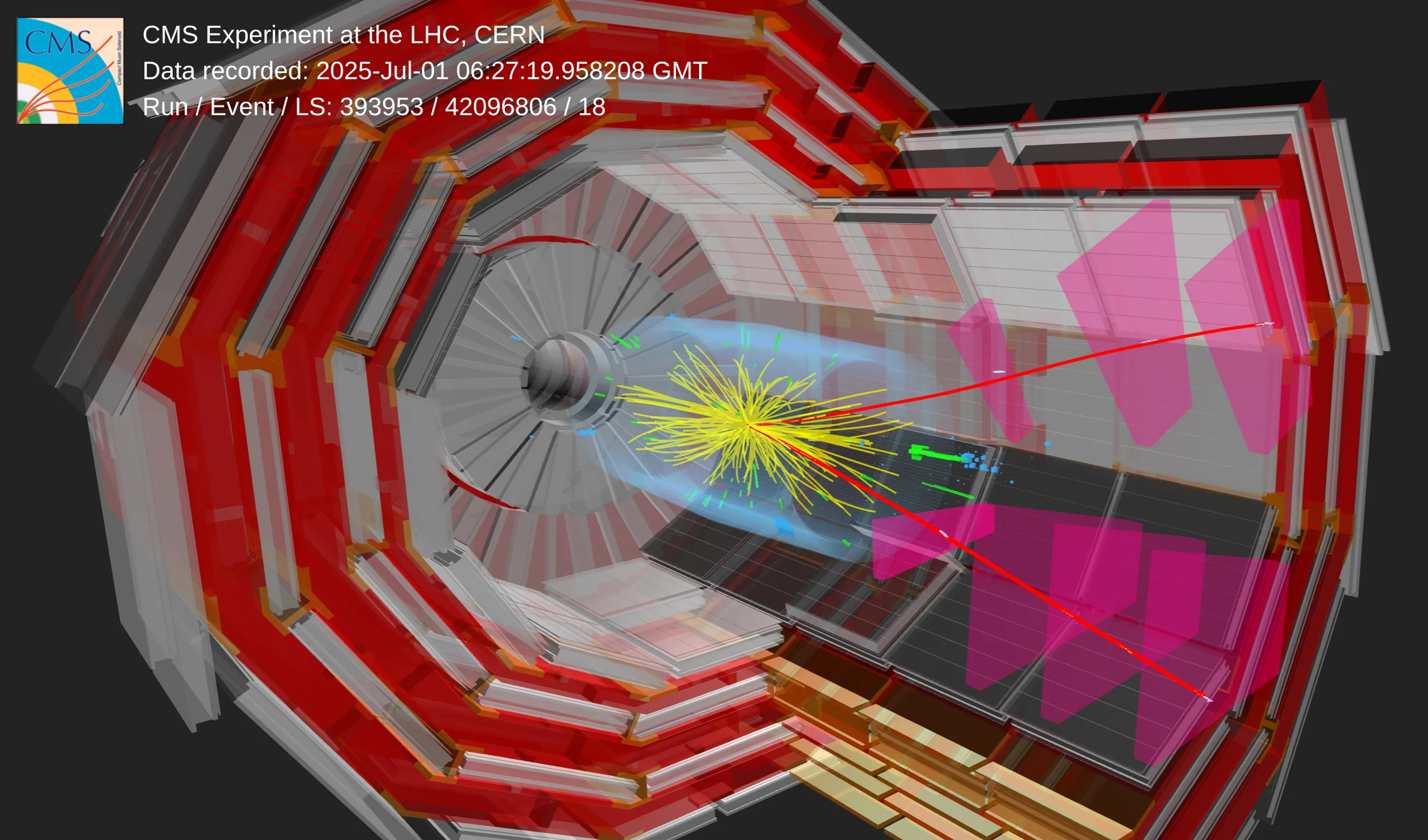
Light ions bring CMS closer to the onset of QGP-like behaviour
Light ions bring CMS closer to the onset of QGP-like behaviour What are the smallest droplets of strongly interacting matter that exhibit colour deconfinement? This question has become one of the most intriguing frontiers in heavy-ion physics. At very high temperatures and densities, quantum chromodynamics predicts that quarks and gluons are no longer confined inside
-
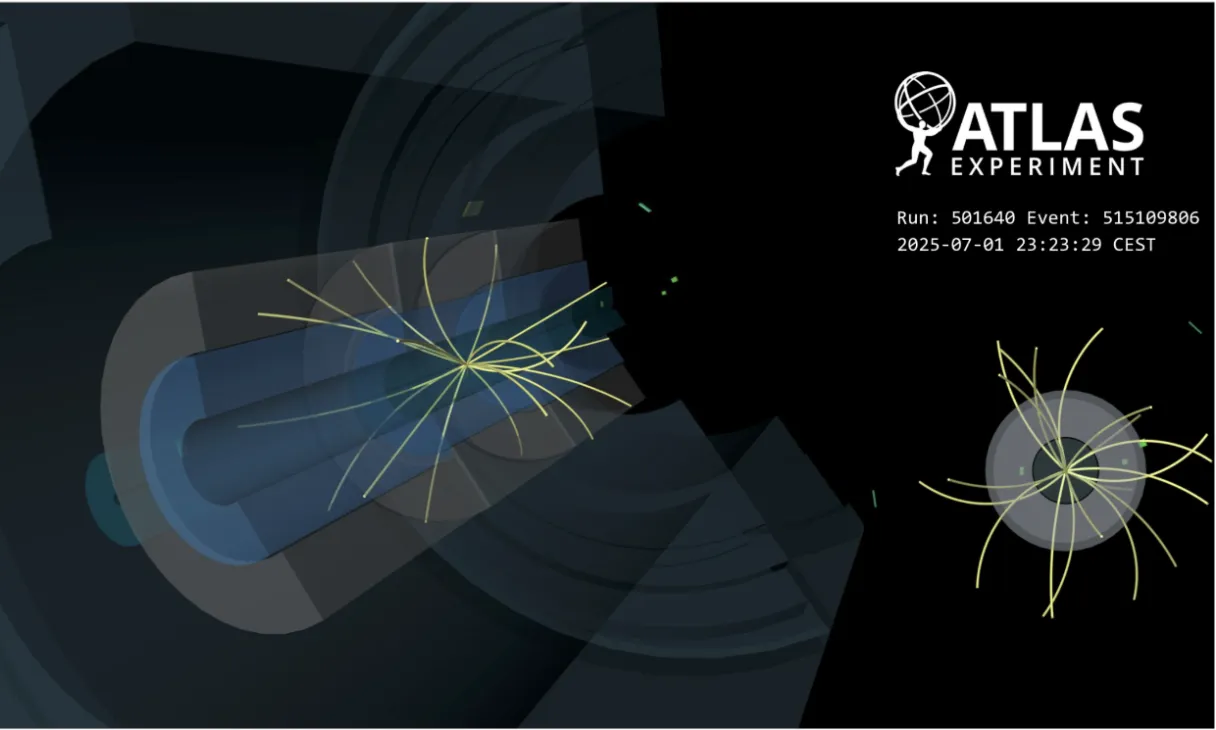
ATLAS Turns Into a Precision Cosmic Ray Laboratory
ATLAS Turns Into a Precision Cosmic Ray Laboratory Event display of a proton-oxygen collision recorded in ATLAS Run 501640 on 1st July 2025 at 23:23:29 CEST. The event contains 19 reconstructed tracks (yellow lines) satisfying pT > 500 MeV with at least one Pixel hit and at least six SCT hits. Every second, roughly one
-
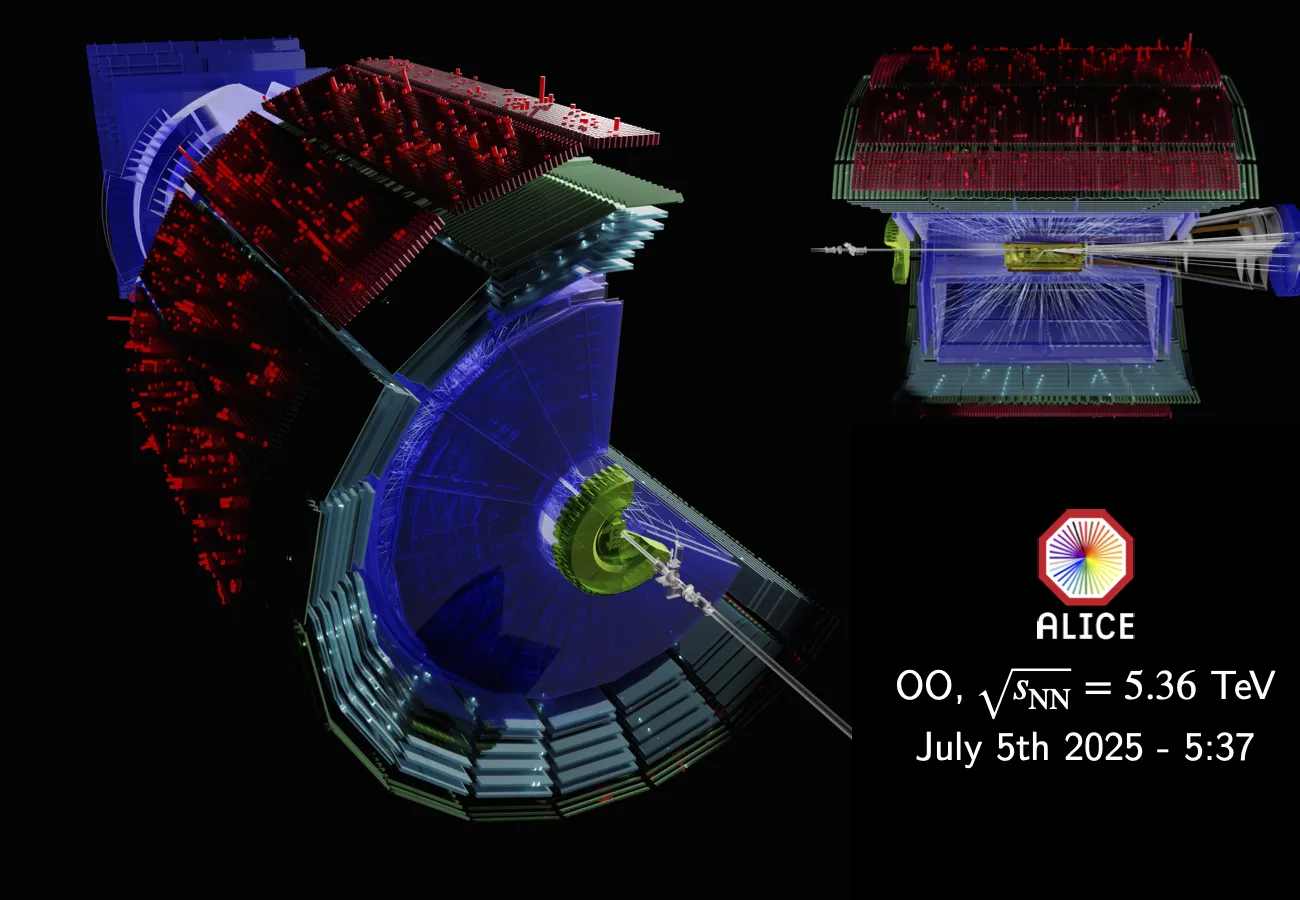
ALICE reveals quark-gluon plasma energy loss in OO collisions
ALICE reveals quark-gluon plasma energy loss in OO collisions A new state of matter Colliding heavy ions, such as lead, at nearly the speed of light in the LHC allows the creation of a new state of matter called the quark-gluon plasma (QGP). This near-perfect liquid of quarks and gluons is created because the extreme